
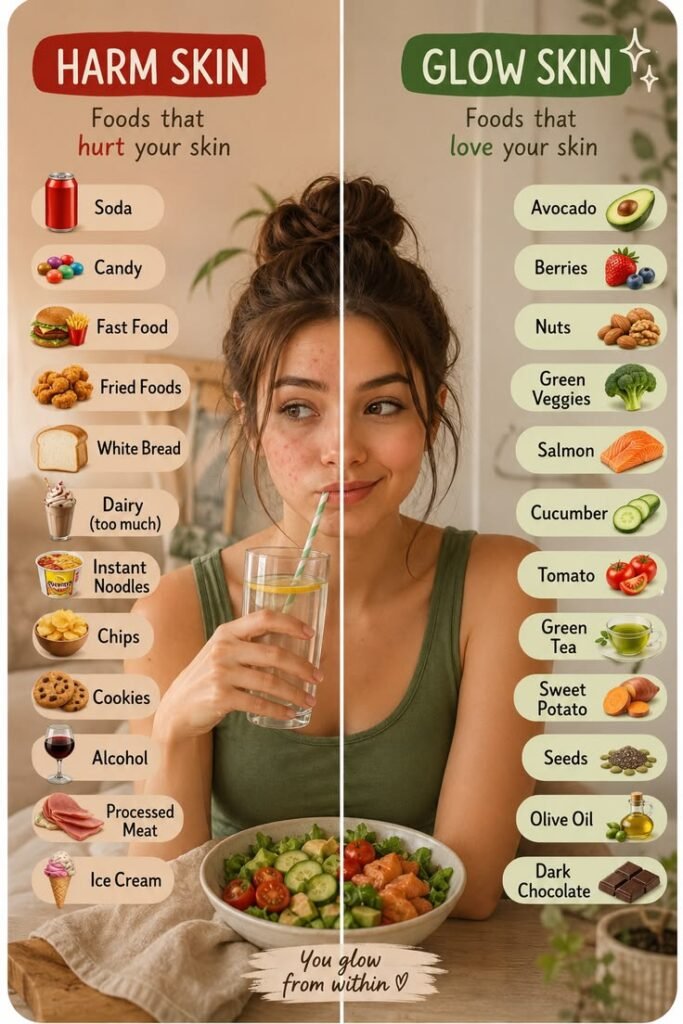
Understanding the Skin-Nutrition Connection
The skin is not only the body’s largest organ but also a vital component of our overall health and wellbeing. This complex structure serves as a physical barrier, protecting against environmental stressors and pathogens, while also playing a crucial role in sensation and thermoregulation. Given its significant functions, maintaining optimal skin health is essential, and nutrition plays a pivotal role in achieving this.
Thank you for reading this post, don't forget to subscribe!Nutrients such as vitamins and minerals are fundamental in supporting the skin’s structure and function. Vitamin A, for instance, is essential for skin cell production and repair, helping to maintain the integrity of skin tissue. A deficiency in Vitamin A can lead to dry, flaky skin and increased susceptibility to infections.
Vitamin C also plays an indispensable role in skin health by aiding collagen production, which is crucial for skin elasticity and strength. Moreover, its antioxidant properties help protect the skin from damage caused by UV exposure and pollution. Insufficient levels of Vitamin C can result in weakened skin and slower healing of wounds.
Similarly, Vitamin E is well-known for its antioxidant qualities, working to neutralize free radicals and minimize oxidative stress on the skin. It also assists in maintaining skin moisture and overall texture. A shortage of Vitamin E may contribute to conditions such as dermatitis and increased inflammation.
Minerals like zinc are vital in the regulation of skin functions, including the healing of wounds and reduction of inflammation. Furthermore, omega-3 fatty acids are invaluable for maintaining skin hydration and reducing the risk of skin conditions such as eczema and psoriasis. Insufficient intake of these vital nutrients can lead to a multitude of skin issues, underlining the essential connection between nutrition and skin health.
Essential Nutrients for Radiant Skin
Achieving clear and healthy skin is significantly influenced by the nutrients we consume. Among the various nutrients, a few stand out for their substantial impact on skin health. Antioxidants, healthy fats, and proper hydration play critical roles in maintaining skin vitality and appearance.
Antioxidants such as vitamins C and E, selenium, and beta-carotene are crucial for protecting the skin from oxidative stress caused by environmental factors like pollution and UV radiation. Vitamin C, found abundantly in citrus fruits, strawberries, and bell peppers, not only aids in collagen production but also enhances skin brightness. Meanwhile, vitamin E, present in nuts and seeds, helps in maintaining skin moisture and reduces signs of aging. Selenium, found in Brazil nuts and seafood, contributes to skin elasticity and repairs damage, while beta-carotene, which is prevalent in carrots and sweet potatoes, helps improve skin tone and texture.
Healthy fats are another vital component for radiant skin. Omega-3 fatty acids, particularly found in fatty fish like salmon and walnuts, are known to maintain skin barrier function, thus preventing dryness and minimizing inflammation. Furthermore, avocados provide monounsaturated fats that not only keep the skin hydrated but also improve its overall appearance and elasticity. Including these healthy fats in one’s diet is essential for promoting a well-balanced skin surface.
Additionally, hydration is fundamental for skin health. Adequate water intake helps to flush out toxins from the body, keeping skin plump and reducing the appearance of fine lines. Aim for at least eight glasses of water daily, alongside hydrating foods such as cucumbers and watermelon, which can further support skin hydration.
Incorporating these essential nutrients into daily routines can significantly enhance skin health and vitality, promoting a clear and radiant complexion. A balanced diet rich in antioxidants, healthy fats, and hydration is key to achieving lasting benefits for the skin.
The Impact of Diet on Common Skin Issues
Diet plays a crucial role in the health and appearance of the skin, making it essential to consider how our food choices can support or harm skin conditions like acne, eczema, and rosacea. For instance, high sugar intake can lead to the production of advanced glycation end products (AGEs), which may increase inflammation and contribute to skin issues such as acne. Similarly, dairy products can exacerbate existing acne and rosacea symptoms in some individuals owing to their insulinogenic properties, which lead to increased sebum production and skin inflammation.
Conversely, integrating whole foods, fruits, and vegetables into one’s diet can significantly improve skin health. Foods rich in antioxidants, vitamins, and minerals can combat oxidative stress and inflammation, promoting clearer skin. For example, vitamin C found in citrus fruits plays a vital role in collagen synthesis and can help in the healing of acne scars, while omega-3 fatty acids from sources like walnuts and flaxseeds reduce inflammation, potentially ameliorating the conditions of eczema and rosacea.
Processed foods, which are often high in trans fats and refined sugars, may lead to increased skin problems as these components can trigger inflammatory responses. A balanced diet that prioritizes nutritional variety—such as colorful vegetables, whole grains, lean proteins, and healthy fats—nurtures the skin from within, helping to maintain its hydration and elasticity. Furthermore, hydration is also paramount; drinking ample water supports the skin’s natural barriers and helps flush out toxins.
Ultimately, the relationship between diet and skin health is complex and personal. While not all individuals will experience the same reactions to specific foods, understanding the effects of dietary choices is paramount in managing and preventing skin conditions effectively.
Implementing a Skin-Healthy Diet: Tips and Practical Strategies
Achieving clear and healthy skin is significantly influenced by the foods we consume. To implement a skin-healthy diet, it is essential to gradually incorporate nutrient-dense foods that promote skin vitality. One practical strategy is meal planning, where individuals can devote a designated time each week to organize their meals. This practice facilitates mindful eating and ensures that the essential vitamins and minerals needed for skin health are included in daily meals.
Start by including foods rich in antioxidants, such as berries, nuts, and leafy greens, as they help combat oxidative stress that can damage skin cells. Additionally, sources of healthy fats, like avocado and salmon, are vital for maintaining skin elasticity and hydration. Alongside these foods, ensure a variety of colorful vegetables in your diet, as they provide essential nutrients that support skin repair and rejuvenation.
For busy lifestyles, consider batch cooking or preparing meals in advance. This approach not only saves time but also makes it easier to adhere to healthy eating habits. Simple recipes, like a quinoa salad loaded with vegetables and grilled chicken or a smoothie packed with spinach and fruits, can serve as convenient options that align with nutrition objectives. Furthermore, hydration should not be overlooked; drinking adequate water daily is crucial for maintaining skin moisture and overall health.
Changing eating habits can occasionally pose challenges such as cravings for unhealthy snacks or difficulty in accessing fresh produce. To tackle these issues, set realistic goals and allow for occasional indulgences to avoid feelings of deprivation. Engaging in a support system, whether with friends or online communities, can also provide motivation and accountability. By establishing a balanced, skin-friendly diet, individuals can improve their dietary habits while working towards their skin health goals.