
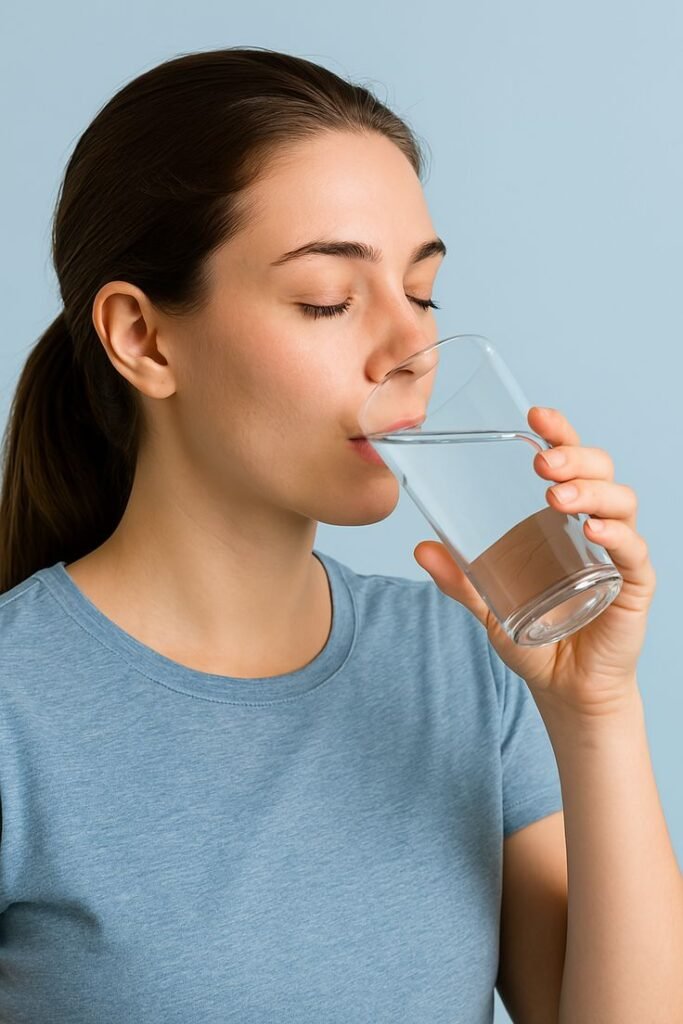
Understanding Hydration
Hydration refers to the process of maintaining optimal fluid balance in the body, which is critical for various physiological functions. Water is the primary component involved in hydration, making up approximately 60% of the human body. It plays an essential role in numerous cellular functions, including nutrient transport, metabolic processes, and waste elimination. Adequate hydration ensures that cells function effectively, allowing for the seamless exchange of nutrients and waste products across cellular membranes.
Thank you for reading this post, don't forget to subscribe!One of the key functions of water in the body is temperature regulation. Through mechanisms such as sweating and respiration, water helps to dissipate heat, maintaining a stable internal environment. This balance is vital for overall health, as deviations can lead to heat-related illnesses or disruptions in normal bodily functions. Without sufficient hydration, individuals may experience fatigue, decreased cognitive performance, and impaired physical ability, underscoring the importance of water in daily life.
The body’s hydration needs can vary widely based on several factors. Age is a significant determinant; for instance, infants require a higher percentage of fluid intake relative to their body weight compared to adults. Activity level also plays a critical role; individuals who engage in vigorous exercise or live in hot climates tend to lose more water through sweat and require increased intake to maintain hydration. Environmental conditions, such as high altitude or dry environments, can further influence hydration needs. Thus, understanding one’s unique hydration requirements is essential for supporting energy levels and overall health.
The Connection Between Hydration and Energy Levels
Proper hydration plays a crucial role in maintaining optimal energy levels within the body. Water is essential for various physiological processes that influence both physical and mental performance. For instance, water contributes significantly to the metabolism of food, facilitating the conversion of carbohydrates, proteins, and fats into energy. This metabolic process is not only vital for day-to-day functioning, but it is also critical during exercise, where adequate hydration can enhance aerobic and anaerobic performance.
Dehydration can lead to a noticeable decline in energy levels. Common symptoms include fatigue, headaches, and reduced cognitive function, which can severely impair both physical activity and concentration levels. Studies have indicated that even mild dehydration can negatively impact mood and increase feelings of tiredness. This connection between hydration status and energy levels illustrates the importance of consuming an adequate amount of fluids throughout the day.
Moreover, hydration is essential for thermoregulation and cardiovascular function, both of which are integral to sustaining energy during physical activities. When the body is well-hydrated, blood volume remains optimal, allowing for efficient nutrient and oxygen transport to muscles and tissues, thus improving endurance and reducing the perception of effort. Conversely, dehydration can lead to increased heart rate and reduced stroke volume during exercise, causing fatigue to set in more rapidly.
Incorporating a consistent hydration pattern into daily routines can significantly enhance energy levels. Individuals are advised to monitor their fluid intake, especially during exercise or in hot weather, to ensure that their body remains adequately hydrated. This practice not only combats fatigue but also promotes overall wellness, highlighting the integral link between hydration and energy efficiency.
Health Benefits of Staying Hydrated
Proper hydration is crucial for maintaining overall health and well-being. While many individuals associate adequate water intake primarily with energy levels, the benefits of hydration extend to various bodily functions. Staying hydrated plays a vital role in supporting digestion, which is essential for nutrient absorption and gastrointestinal health. Water assists in breaking down food and helps in the dissolution of nutrients, facilitating their transport across cell membranes.
Moreover, hydration has significant implications for weight management. Drinking sufficient water can often promote a feeling of fullness, which may help in reducing calorie consumption. Additionally, the metabolism of fat is contingent upon adequate hydration; thus, those who maintain proper fluid levels are more likely to achieve their weight loss goals effectively.
Skin health is another area significantly influenced by hydration. When the body is well-hydrated, the skin tends to be more elastic and less prone to dryness. This can lead to a more youthful appearance, as hydration assists in alleviating the visibility of fine lines and wrinkles.
Kidney function also relies heavily on hydration. The kidneys filter waste from the blood and excrete it through urine. Sufficient water intake helps the kidneys function efficiently and reduces the risk of kidney stones and urinary tract infections.
For optimal health, it is generally recommended that adults consume between 2 to 3 liters (approximately 8 to 12 cups) of water daily, although individual needs may vary based on factors such as activity level, climate, and overall health. It is essential to remain aware of signs of dehydration, such as dry mouth, fatigue, and dark-colored urine, as well as the potential risks of overhydration, which can lead to an electrolyte imbalance. Staying adequately informed and responsive to these hydration needs can profoundly affect overall health and energy levels.
Tips for Staying Hydrated Daily
Maintaining proper hydration is essential for overall health and energy levels. To incorporate better hydration into your daily routine, consider implementing the following strategies that facilitate consistent water intake.
Firstly, a practical approach is to establish a daily water-drinking schedule. One method is to set specific times during the day to drink a glass of water, such as before each meal or upon waking in the morning. This not only creates a habit but also helps you monitor your water intake throughout the day.
Additionally, utilizing technology can be highly beneficial. There are numerous apps available that can remind you to drink water regularly. These applications often allow you to set personalized goals and track your hydration progress, giving you an added incentive to stay on course.
Incorporating hydrating foods into your diet can also augment your daily water consumption. Fruits and vegetables, such as cucumbers, oranges, and watermelon, have high water content and provide essential nutrients while helping increase overall hydration levels.
Furthermore, adjusting your hydration practices based on your activities and environmental conditions is vital. On days when you exercise vigorously or face extremely hot weather, you may require more fluids. Keeping a water bottle accessible during workouts or outdoor events encourages you to drink more frequently, thus ensuring adequate hydration.
Lastly, consider investing in a reusable water bottle. Having a personal water container not only serves as a reminder to drink but also helps track your daily intake. Many bottles come marked with measurements or time markers, indicating when you should have consumed a specific amount of water, which promotes adherence to your hydration goals.

