
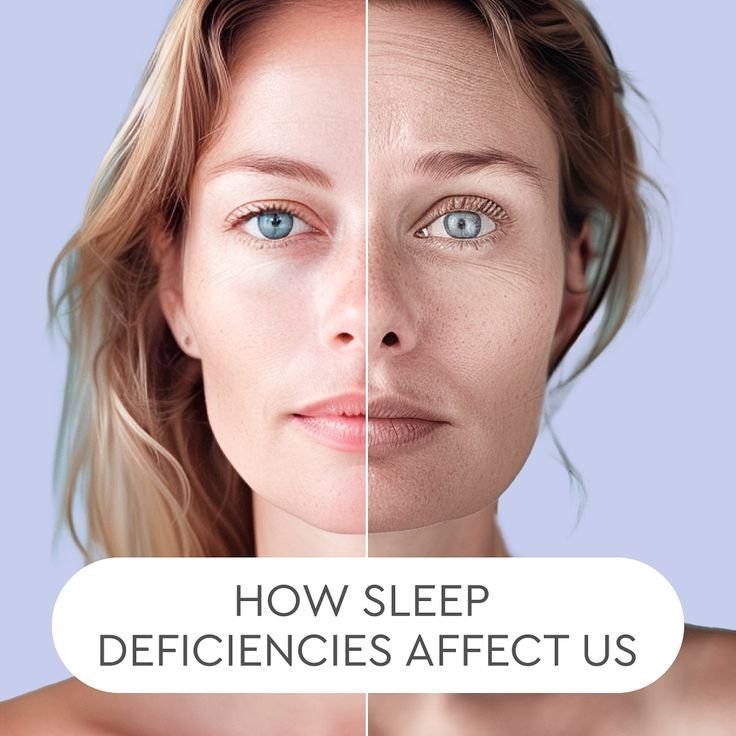
Understanding the Connection Between Sleep and Skin Health
Sleep is a critical period for the body, where various physiological processes occur that significantly influence skin health. During sleep, particularly during the deep stages, the body engages in its primary repair and regeneration activities. This is when the skin undergoes cellular repair, and critical repair mechanisms are activated, promoting skin cell turnover. Consequently, adequate sleep is essential for maintaining a radiant and healthy complexion.
Thank you for reading this post, don't forget to subscribe!The hormone balance during sleep also plays a pivotal role in skin health. For instance, sleep promotes the production of growth hormones that are essential for tissue growth and muscle repair. Hormones such as cortisol, which can lead to increased oil production and inflammation when elevated, are regulated by the sleep-wake cycle. A lack of sleep can lead to an increase in cortisol levels, thereby exacerbating skin conditions such as acne and other forms of irritation.
Furthermore, variations in sleep patterns can substantially impact various skin conditions. For example, insufficient sleep can lead to dryness and a lackluster appearance, as the skin may be unable to retain moisture effectively. Insomnia or irregular sleep patterns can also lead to a decrease in melatonin—a hormone that regulates sleep and has antioxidant properties, reducing free radical damage to skin cells. Moreover, chronic sleep deprivation is often associated with accelerated aging processes, manifesting as fine lines, sagging skin, and increased pigmentation.
In addition to the biological implications, sleep quality significantly affects our appearance. Individuals who consistently do not get enough restorative sleep may experience dark circles, puffiness, and an overall tired look. Sleep, thus, is not only vital for internal health but is intrinsically linked to one’s outward appearance, underscoring the importance of establishing healthy sleep habits for optimal skin health.
The Long-term Effects of Sleep Deprivation on Skin Appearance
Chronic sleep deprivation has been linked to a variety of adverse effects on skin appearance, impacting both health and aesthetic qualities. One of the most significant long-term consequences is premature aging, which manifests in the form of wrinkles, sagging skin, and a dull complexion. Research has shown that during sleep, the body undergoes crucial restoration processes that promote skin cell regeneration and repair. Without adequate rest, these processes are disrupted, resulting in visible signs of aging.
Additionally, lack of sleep contributes to the development of dark circles and puffiness around the eyes. The skin in this area is particularly thin and sensitive, making it more susceptible to the damaging effects of insufficient sleep. Consequently, the appearance of dark circles is often exacerbated by fluid retention, leading to puffiness and a tired appearance. Studies have indicated that individuals with limited sleep report a higher prevalence of these issues, suggesting a direct correlation between sleep quantity and under-eye conditions.
Moreover, sleep deprivation can negatively affect the skin’s barrier function, which is essential for maintaining hydration and protecting against environmental pollutants. This compromised barrier can result in an increase in skin problems such as acne, eczema, and inflammation. In a controlled study, participants who experienced sleep deprivation showed a measurable increase in skin inflammation, reinforcing the concept that chronic lack of sleep can impair skin health and exacerbate existing skin conditions.
The collective evidence underscores the importance of adequate sleep for maintaining optimal skin health and appearance. Prioritizing regular, quality sleep is crucial not only for overall well-being but also for preserving the integrity and vitality of the skin.
How to Optimize Your Sleep for Better Skin
Improving the quality of your sleep is essential for enhancing your skin’s health and overall appearance. There are several actionable strategies you can implement to optimize your sleep environment and habits, which can lead to a more rejuvenated complexion.
First, creating a sleep-friendly environment is crucial. Ensure your bedroom is dark, quiet, and cool. Consider using blackout curtains, earplugs, or a white noise machine to block distractions. Additionally, limit exposure to screens and blue light at least an hour before bedtime, as these can interfere with melatonin production, which is vital for deep sleep. It’s also advisable to invest in a comfortable mattress and pillows that provide adequate support.
Establishing a consistent bedtime routine can further enhance sleep quality. Aim to go to bed and wake up at the same time each day, even on weekends. Engage in relaxing activities such as reading, practicing deep breathing, or meditating to signal to your body that it is time to unwind. Avoid consuming large meals, caffeine, or alcohol close to bedtime as they can disrupt your sleep cycle.
Lifestyle changes can also contribute to better sleep and improved skin. Regular physical activity promotes better sleep patterns, but ensure that your workouts are completed earlier in the day. Furthermore, paying attention to your diet and hydration is essential; a balanced diet rich in antioxidants, vitamins, and minerals supports skin health. Drink enough water throughout the day, as hydration is vital for maintaining skin elasticity and radiance.
By implementing these tips, you can significantly optimize your sleep, leading to better skin health and an overall more youthful appearance. Proper rest not only helps your body recover but also plays a significant role in enhancing your natural glow.
The Role of Skin Care in Combination with Good Sleep Habits
The integration of a thoughtful skincare routine with good sleep habits can yield significant benefits for skin health and overall appearance. To maximize these benefits, individuals should consider adopting a consistent nighttime skincare regimen. Essential elements of such a regimen typically include cleansing, moisturizing, and applying targeted treatments such as serums or creams that address specific skin concerns.
Cleansing the skin before bedtime is crucial; it removes impurities, excess oil, and makeup, thus preventing clogged pores and breakouts. Following this cleansing step, it is advisable to apply a nourishing moisturizer that caters to one’s specific skin type, whether it be oily, dry, or combination. Incorporating products that contain ingredients like hyaluronic acid or retinol can be particularly beneficial, as these compounds help to hydrate and rejuvenate the skin, respectively. Importantly, the efficacy of these ingredients may be enhanced during the body’s restorative sleep phase, allowing for optimal absorption and skin repair.
A further consideration is the cleanliness of one’s sleeping environment, including the hygiene of pillowcases. Sleeping on clean pillowcases can reduce the transfer of oils and dirt to the skin, which may, in turn, minimize the risk of developing breakouts or irritation. It is recommended to change pillowcases at least once a week to maintain a healthier sleeping surface.
Ultimately, a dual approach that combines effective skincare practices with healthy sleep habits can lead to improved skin quality and a radiant appearance. The interplay between adequate sleep and a well-established dermatological routine underscores the significance of holistic skincare strategies in promoting skin vitality.