
Understanding the Gut-Brain Connection
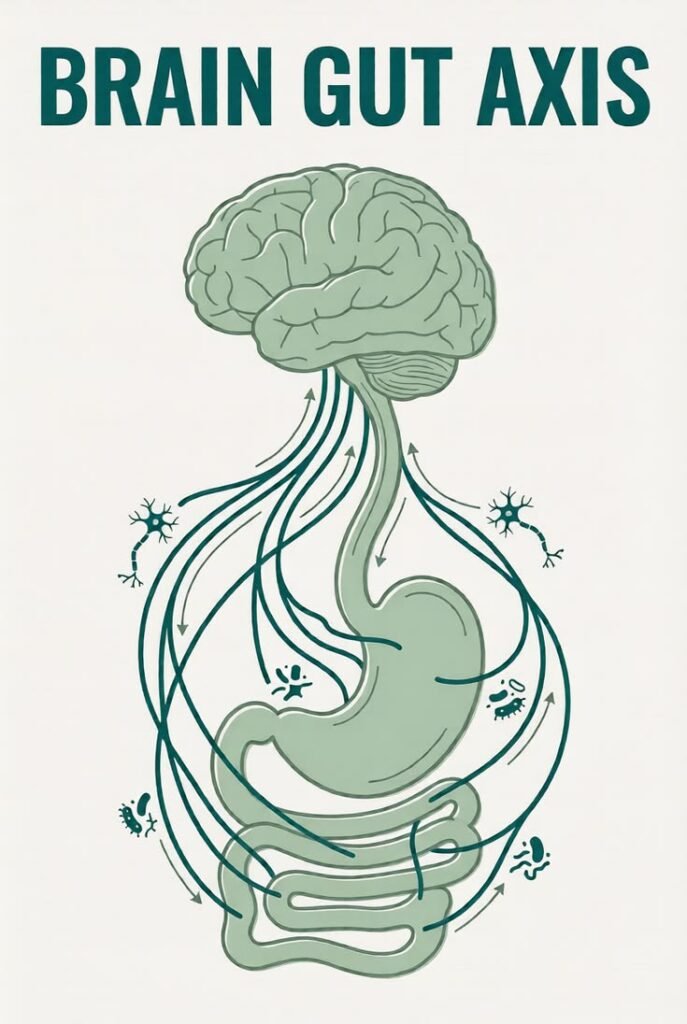
The gut-brain axis refers to the intricate communication network that connects the gastrointestinal tract and the brain, establishing a bidirectional relationship that significantly impacts overall health. Recent research reveals that this connection is facilitated primarily through the gut microbiome, a complex community of microorganisms residing in our digestive system. These microorganisms produce various metabolites and signaling molecules that can influence brain functions, affecting both mood and cognition.
Thank you for reading this post, don't forget to subscribe!One of the primary pathways through which this connection operates is via the vagus nerve, which serves as a major conduit for information exchange between the gut and the brain. When the gut microbiome is balanced, it can send signals to the brain that promote feelings of well-being. Conversely, dysbiosis—a microbial imbalance—can lead to adverse mood states, anxiety, and even depression.
Moreover, neurotransmitters play a key role in the gut-brain connection. For instance, around 90% of serotonin, often referred to as the “feel-good” neurotransmitter, is produced in the gastrointestinal tract. This highlights the importance of gut health in ensuring optimal brain function and emotional stability. Additionally, the gut communicates with the brain through hormonal signals, such as cortisol and other stress hormones, which further modulate our emotional responses.
Thus, understanding the gut-brain axis is essential for comprehending how our digestive health directly influences our mental well-being. Promoting a healthy gut microbiome through balanced nutrition, probiotics, and a lifestyle conducive to gut health may also play a vital role in enhancing cognitive functions and emotional resilience.
The Role of Gut Microbiota in Mental Health
The gut microbiota, comprising trillions of microorganisms residing in the gastrointestinal tract, plays a pivotal role in modulating various physiological processes, including mental health. Research has illuminated the intricate connections between gut microbiota profiles and mood disorders such as anxiety and depression. Specific strains of bacteria have been associated with positive mental health outcomes, while dysbiosis, or microbial imbalance, is frequently linked to negative psychological states.
Studies have shown that individuals with higher levels of beneficial bacteria, such as Bifidobacterium and Lactobacillus, often report improved mood and reduced levels of anxiety and depressive symptoms. In contrast, an abundance of certain harmful bacteria, including Escherichia coli and other pathogenic strains, has been correlated with heightened anxiety and depression. These findings suggest that enhancing the diversity and health of the gut microbiota may offer therapeutic benefits for mental health.
Mechanistically, gut bacteria influence the brain through various pathways, including the production of neurotransmitters, modulation of the immune system, and the gut-brain axis—a bidirectional communication network between the gut and the central nervous system. For instance, certain gut bacteria can synthesize neurotransmitters such as serotonin, which is critical for regulating mood. Additionally, the gut microbiota can impact the permeability of the blood-brain barrier and influence inflammatory responses, further linking gut health to neurological functions.
Thus, maintaining a balanced and healthy microbiome emerges as a crucial component of mental health management. Probiotic and prebiotic interventions, dietary modifications, and lifestyle changes can enhance gut microbial composition, potentially mitigating mood disorders. This highlights the importance of understanding the gut-brain connection, providing a promising avenue for future mental health treatments.
Diet and Its Impact on the Gut-Brain Axis
The relationship between diet and the gut-brain axis is a significant area of research, revealing how dietary choices can profoundly influence both gut health and emotional well-being. Consuming a variety of nutrients can optimize the gut microbiome, which plays a crucial role in regulating mood and cognitive functions. Key nutrients, such as dietary fiber, probiotics, and omega-3 fatty acids, can foster a healthy gut environment and enhance mood stability.
Fiber-rich foods, including fruits, vegetables, whole grains, and legumes, are essential for promoting gut health. These foods serve as prebiotics, nourishing beneficial gut bacteria, which contribute to a balanced microbiome. A diverse and thriving gut microbiome has been linked to improved mood and cognitive function. Likewise, probiotic sources such as yogurt, kefir, and fermented foods introduce healthy bacteria directly into the digestive system, further enhancing gut health and stability in mood.
Omega-3 fatty acids, commonly found in fatty fish, flaxseeds, and walnuts, are also vital for maintaining a healthy gut-brain axis. These essential fats support the integrity of gut cells and have anti-inflammatory properties that can alleviate mood disorders. Their role extends beyond gut health, influencing neurotransmitter functioning and overall mental health.
Conversely, the consumption of processed foods, high levels of sugar, and unhealthy fats can disrupt the microbiome, leading to an imbalance that may manifest as mood disturbances. These foods can promote the growth of harmful bacteria and trigger inflammatory responses, both of which can negatively impact mental health.
In light of these insights, practical dietary tips include prioritizing whole foods, incorporating a wide variety of fruits and vegetables, choosing healthy fats, and minimizing the intake of processed foods. Such dietary adjustments can significantly contribute to a robust gut-brain connection, ultimately fostering improved mood and overall health.
Strategies for Enhancing Gut Health and Mood
Strengthening the connection between gut health and mood can be achieved through several practical strategies. Engaging in regular physical activity is one of the most effective ways to enhance both gut and mental health. Exercise promotes the growth of beneficial gut bacteria, which can positively influence mental well-being. Aim for at least 150 minutes of moderate aerobic exercise weekly, such as brisk walking or cycling, combined with strength training activities on two or more days.
Moreover, stress management is crucial in this process. Chronic stress can disrupt gut health by altering the gut microbiome and impairing its function. Techniques such as mindfulness meditation, yoga, and deep-breathing exercises can effectively mitigate stress levels. Incorporating these practices into one’s daily routine not only helps improve mood but also fosters a healthier gut environment.
Quality sleep plays a vital role in maintaining overall well-being, impacting both gut health and mood. Aim for seven to eight hours of restful sleep each night. Establishing a consistent sleep schedule, creating a relaxing bedtime routine, and limiting electronics before bed can contribute to improved sleep quality.
Nutrition also significantly influences the gut-brain axis. A diet rich in fiber from fruits, vegetables, and whole grains supports the growth of beneficial gut bacteria. Additionally, incorporating probiotics found in yogurt, kefir, and fermented foods, along with prebiotic-rich foods, such as garlic, onions, and bananas, can further enhance gut function.
In summary, integrating regular exercise, stress management techniques, adequate sleep, and a nutritious diet can effectively improve gut health and, consequently, mood. By consciously implementing these strategies, individuals can foster a more harmonious relationship between their digestive system and mental well-being, supporting the gut-brain axis.

