
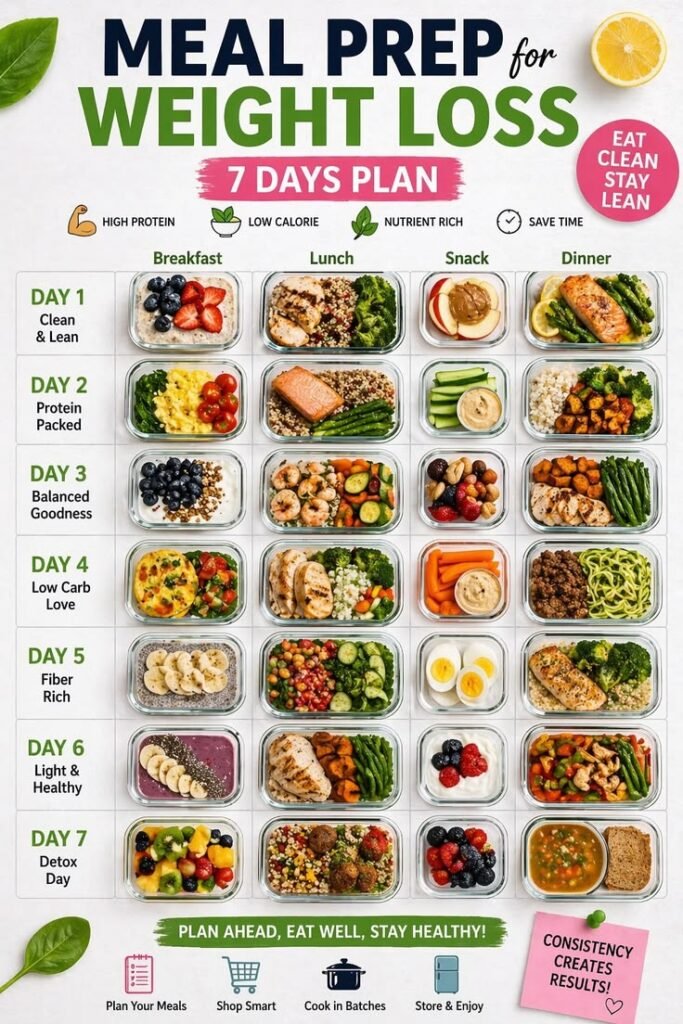
Understanding the Basics of Meal Prep
Meal preparation, commonly known as meal prep, is a strategic approach to cooking that involves preparing meals ahead of time to streamline eating habits throughout the week. At its core, meal prep is about efficiency, health, and organization. The main goal is to create healthy meals that are easy to access, reducing the temptation to turn to unhealthy alternatives when hunger strikes.
Thank you for reading this post, don't forget to subscribe!The benefits of meal prep extend beyond health management; it significantly aids in time management. By dedicating an hour or two each week to cooking, individuals can save extensive time on daily meal preparation. Engaging in methods such as batch cooking allows for multiple portions of the same meal to be made at once, which can then be refrigerated or frozen for later consumption. This not only facilitates a smoother pace throughout the week but also ensures that nutritious options are readily available.
Another method is portioning, where specific servings of meals are pre-packed into individual containers. This approach helps in monitoring portion sizes and encourages healthier eating habits by making it easier to resist the urge to overeat or indulge in unhealthy snacks. When meals are planned and prepped in advance, it significantly lowers the likelihood of food waste, as the ingredients purchased are utilized effectively. Planning meals also allows for better budgeting, which can result in substantial savings over time by avoiding impulse purchases and frequent dining out.
In addition to these pragmatic advantages, meal prep fosters a disciplined relationship with food, nudging individuals toward a more wholesome diet. In understanding the basics of meal prepping, one can enhance their overall well-being while navigating a busy lifestyle efficiently.
Essential Tools and Ingredients for Meal Prep
Successful meal prep requires a combination of the right tools and ingredients that simplify the process while ensuring nutritious and delicious meals. To begin with, having appropriate storage containers is crucial. Opt for BPA-free plastic or glass containers with airtight lids to keep your meals fresh and maintain their quality throughout the week. Various sizes are useful; larger containers for salads or grain-based dishes, and smaller ones for snacks or sauces can cater to diverse meal requirements.
In addition to storage, investing in good-quality kitchen knives and cutting boards enhances efficiency in food preparation. A sharp chef’s knife will allow you to chop, dice, and slice with ease, while a sturdy cutting board provides a safe surface for these tasks. Moreover, a set of measuring cups and spoons is essential for accurate ingredient portions, especially when following specific recipes.
When it comes to cooking appliances, a slow cooker, an Instant Pot, or an air fryer can be beneficial for meal prep. These appliances not only save time but also allow for the preparation of various healthy options with minimal effort. For instance, a slow cooker can effortlessly create stews and soups, while an air fryer is perfect for roasting vegetables or proteins, contributing to a well-rounded diet.
To ensure your meal prep aligns with a healthy lifestyle, stocking up on staple ingredients is vital. Proteins such as chicken breast, lentils, and tofu provide essential nutrients, while whole grains like quinoa and brown rice serve as a great base for many meals. Including a variety of fresh vegetables, such as spinach, bell peppers, and broccoli, enhances the nutritional value while adding flavor and color. Additionally, having a selection of herbs and spices on hand can elevate the taste of your dishes without unnecessary calories.
Overall, having the right tools and ingredients makes meal prepping a manageable and rewarding endeavor, setting the stage for a week of healthy eating.
Simple and Healthy Meal Prep Recipes
Meal prepping is an effective way to maintain a healthy diet while saving time and effort throughout the week. Here, we present a variety of easy-to-make and nutritious meal prep recipes that cater to diverse dietary preferences.
1. Quinoa and Black Bean Salad
This refreshing salad combines cooked quinoa and black beans, mixed with diced bell peppers, corn, and cilantro. It’s rich in protein and fiber, making it a satisfying option. Preparation is quick, taking approximately 20 minutes. Simply cook the quinoa, mix in the other ingredients, and dress with lime juice and olive oil.
2. Baked Chicken with Vegetables
For a heartier choice, try baked chicken breast paired with seasonal vegetables such as broccoli, carrots, and sweet potatoes. This dish is full of lean protein and essential vitamins. Allow about 40 minutes for preparation and cooking time. Season the chicken with your choice of herbs and spices, arrange alongside the vegetables on a baking tray, and roast in the oven.
3. Chickpea Stir-Fry
This vegan option features sautéed chickpeas with assorted vegetables including bell peppers, zucchini, and carrots, flavored with soy sauce or a teriyaki glaze. This dish is not only colorful but also packed with nutrition, taking just 30 minutes to prepare. Stir-fry the vegetables until crisp-tender, then add the chickpeas and sauce.
These recipes can be easily personalized. Substituting ingredients according to what is available or preferred can enhance the dishes without sacrificing health benefits. For instance, swapping chicken for turkey or quinoa for brown rice allows flexibility while maintaining a balanced diet. Additionally, consider portioning out the cooked meals into individual containers for quick access during the week.
Tips for Storing and Reheating Meals
To ensure the longevity and freshness of your meal-prepped foods, proper storage techniques are essential. It is advisable to use quality airtight containers made of glass or BPA-free plastic, as they not only preserve flavor but also prevent contamination. When dealing with cooked meals, allow them to cool down to room temperature before transferring them to your storage containers. This practice minimizes condensation, which can lead to spoilage.
Refrigeration is a suitable option for meals intended to be consumed within a few days. Generally, prepped meals can last up to four days in the refrigerator. If you are preparing for a more extended period, freezing offers the best solution. Most cooked meals can be frozen and will maintain their quality for up to three months. To avoid freezer burn, ensure that meals are sealed well and labeled with dates for quick reference.
When it comes to reheating, safety and nutrient retention are paramount. Utilize the microwave, stovetop, or oven; each method has its advantages. Microwaving is quick and efficient but consider using a microwave-safe container and covering the meal to trap steam, which helps to keep dishes moist. If reheating on the stovetop, add a small amount of water or broth to avoid drying out the food. The oven is ideal for casseroles and baked dishes, ensuring even heating by using foil if necessary to prevent over-browning.
To maintain variety in your meals throughout the week, consider batch cooking different bases such as grains, proteins, and vegetables. Mixing and matching these components will create diverse meal combinations, reducing monotony and enhancing your meal prep experience. Incorporating different spices or sauces each day can further elevate your meals, making healthy eating an enjoyable routine.

