
Understanding Everyday Health Issues
In today’s fast-paced world, many individuals encounter a range of common health issues that can disrupt their daily routines. These everyday health problems often go unnoticed or unaddressed, yet they can significantly impact one’s quality of life. Some of the most prevalent issues include headaches, digestive troubles, fatigue, and stress.
Headaches, for instance, can manifest in various forms, including tension headaches, migraines, and cluster headaches. They can arise from multiple factors such as stress, poor posture, and dehydration. A frequent occurrence of headaches can lead to decreased productivity and increased absenteeism from work or school.
Digestive problems are another common complaint, affecting millions of people worldwide. Conditions like bloating, indigestion, and irritable bowel syndrome (IBS) can cause discomfort and embarrassment, making social situations challenging for those affected. Poor diet, lack of exercise, and stress are often contributing factors that exacerbate these digestive issues.
Fatigue is another significant health concern, characterized by a persistent lack of energy that can hinder daily activities. This condition may result from insufficient sleep, poor nutrition, or underlying medical issues. Chronic fatigue can lead to mood disturbances and a reduced ability to concentrate and perform various tasks.
Moreover, stress has become an omnipresent issue, fueled by numerous factors ranging from work pressures to personal relationships. Chronic stress can lead to serious health issues, including anxiety disorders and cardiovascular problems. Addressing stress positively can improve overall well-being and enhance life satisfaction.
Recognizing these everyday health issues is essential for fostering a proactive approach to overall wellness. By acknowledging their prevalence and seeking effective solutions, individuals can better manage their health and enhance their quality of life.
Top Natural Remedies for Common Ailments
Natural remedies have garnered attention for addressing various everyday health issues. This section explores effective natural solutions for common ailments such as headaches, colds, digestive problems, and anxiety.
Headaches: A popular natural remedy for headaches is peppermint oil, known for its soothing properties. To utilize, dilute a few drops of peppermint oil with a carrier oil, such as coconut oil, and gently massage the mixture onto the temples and forehead. The cooling sensation can help improve circulation and reduce tension, potentially alleviating headache pain. However, be cautious to avoid contact with eyes and consult a healthcare professional if headaches persist.
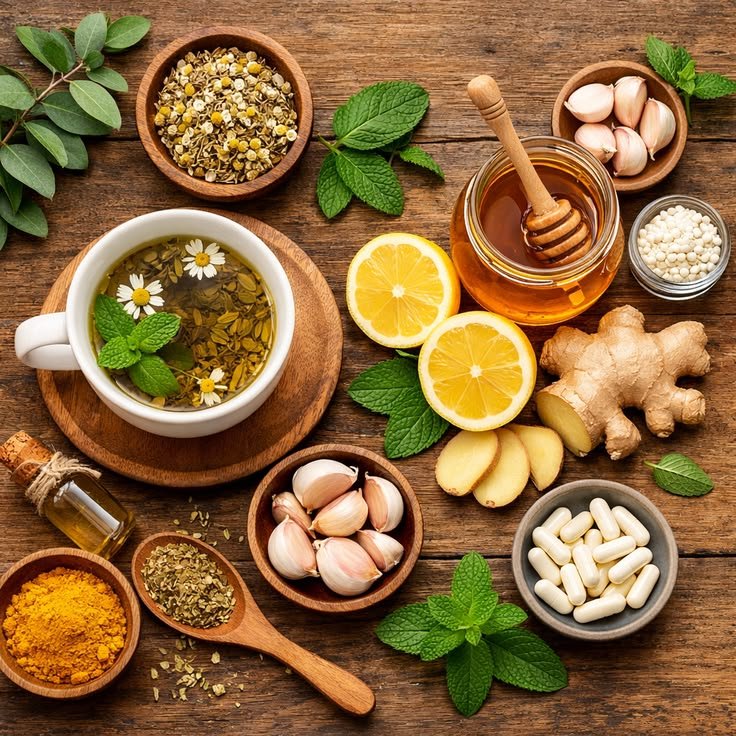
Colds: Ginger tea is a time-honored remedy for colds and respiratory issues due to its anti-inflammatory and antioxidant properties. To prepare, slice fresh ginger root and steep it in boiling water for 10-15 minutes. You can enhance the efficacy by adding honey and lemon for flavor and additional health benefits. This tea not only helps soothe sore throats but also boosts the immune system. It is advisable to consume moderate amounts as excess ginger can lead to digestive upset.
Digestive Issues: For digestive complaints, such as bloating or indigestion, chamomile tea is an excellent natural remedy. Brew chamomile flowers in hot water for approximately 10 minutes. This tea is known to calm the digestive system and reduce inflammation. However, those who are allergic to plants in the Asteraceae family should avoid chamomile.
Anxiety: Lavender essential oil is revered for its calming effects. Diffuse lavender oil in your living space or add a few drops to your bath for relaxation. Alternatively, applying diluted lavender oil on pulse points can enhance its anxiety-reducing benefits. It is crucial to perform a patch test before use to prevent adverse reactions.
Implementing these natural remedies into your routine may improve overall well-being, but it is essential to consult with a healthcare provider when incorporating new treatments, especially for chronic conditions or if you are pregnant.
The Science Behind Natural Remedies
Natural remedies have gained prominence in recent years, driven by an increasing desire for holistic and less invasive approaches to health care. Scientific research has increasingly validated the effectiveness of various herbs, essential oils, and other natural treatments for a range of everyday health issues. By examining these studies, we can gain insight into how these remedies work and their potential benefits.
For instance, numerous studies have shown the efficacy of ginger in alleviating nausea and vomiting, particularly during pregnancy or postoperative recovery. Research has demonstrated that ginger contains compounds such as gingerol, which exert anti-inflammatory and antiemetic properties. Similarly, peppermint oil has been shown in clinical trials to effectively relieve symptoms of irritable bowel syndrome (IBS) by soothing the gastrointestinal tract.
Moreover, essential oils such as lavender have been extensively researched for their calming effects. A systematic review revealed that inhalation of lavender essential oil can significantly reduce anxiety and improve sleep quality by modulating the body’s stress response. This highlights not only the psychological benefits but also the physiological mechanisms underlying the effectiveness of natural remedies.
Garlic, another popular natural treatment, has been supported by scientific findings demonstrating its ability to lower blood pressure and cholesterol levels. The key component, allicin, has been identified as a significant factor responsible for these cardiovascular improvements. Likewise, studies on turmeric reveal that its active ingredient, curcumin, possesses strong anti-inflammatory and antioxidant properties, offering relief for conditions such as arthritis.
Ultimately, the synthesis of traditional knowledge and modern scientific research serves as a robust basis for adopting natural remedies in everyday health management. As the evidence continues to accumulate, it becomes clear that responsible use of these treatments can complement conventional medicine, offering safe and effective solutions for various health concerns.
Integrating Natural Remedies into Daily Life
Incorporating natural remedies into one’s daily routine can be both an empowering and rewarding experience. To begin with, creating a dedicated natural remedies kit is a practical step that individuals can take. This kit might include essential items such as herbal teas, essential oils, tinctures, and natural supplements, tailored to address common health concerns such as colds, digestive issues, or stress. Having these items readily available ensures that you can quickly respond to everyday health issues without feeling overwhelmed.
Alongside the natural remedies kit, making certain lifestyle adjustments can significantly enhance your overall well-being. For instance, incorporating gradual dietary changes can complement your use of natural remedies. A diet rich in whole foods, fruits and vegetables, can boost your immune system and support your body’s innate healing processes. Additionally, prioritizing adequate hydration and regular physical activity improves not only your physical health but also your emotional resilience, aligning closely with the principles of natural healing.
Moreover, it is essential to consult with healthcare professionals when integrating natural remedies into your lifestyle. While many natural options are generally considered safe, professional guidance can help prevent potential interactions between supplements and prescribed medications. Healthcare professionals can also provide tailored advice based on your medical history and individual health needs, ensuring that your approach to natural remedies complements conventional treatments effectively.
Ultimately, by taking small, manageable steps, individuals can seamlessly integrate natural remedies into their daily lives. This practice not only promotes health in a holistic manner but also empowers individuals to take charge of their well-being through accessible and sustainable methods.

