
Understanding Hydration and Its Importance
Hydration is a crucial aspect of maintaining optimal health and wellbeing. It refers to the process of providing adequate fluid to the body to support its various functions. Proper hydration is essential for digestion, circulation, and thermoregulation, among many others. The human body is comprised of approximately 60% water, and maintaining this balance is vital for sustaining life and health.
Thank you for reading this post, don't forget to subscribe!One of the primary functions of hydration is to assist in digestion. When the body is adequately hydrated, it ensures that the gastrointestinal tract operates smoothly, facilitating the breakdown and absorption of nutrients from food. Moreover, hydration plays a significant role in circulation by enabling blood to transport oxygen and essential nutrients to different parts of the body efficiently.
Thermoregulation is another critical function influenced by hydration. The body regulates its temperature through sweating and respiration, both of which rely heavily on proper moisture levels. Dehydration can impair this process, leading to heat-related illnesses, particularly in active individuals and during hot weather.
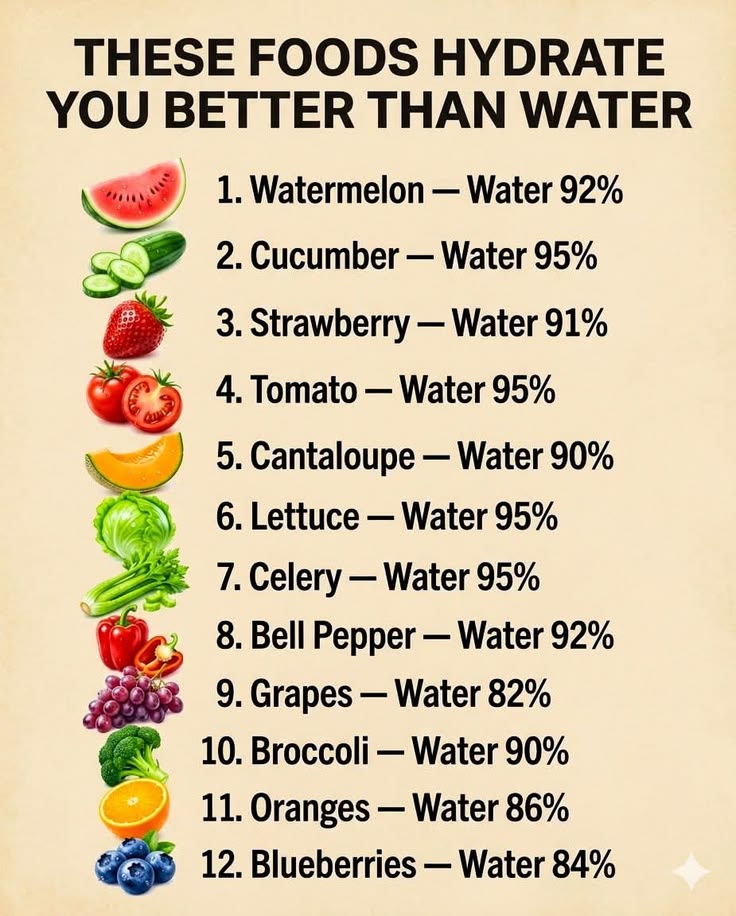
While beverages are a well-known source of hydration, it is important to recognize the significant contribution of hydrating foods. Foods such as fruits and vegetables contain high water content and can play an integral role in meeting daily hydration needs. For instance, cucumbers, watermelon, and oranges offer not only hydration but also essential vitamins and minerals. Unlike beverages, which can sometimes contain sugars or caffeine that have a diuretic effect, hydrating foods provide a more stable source of moisture, enhancing overall health without the potential downsides of sugary drinks.
Incorporating hydrating foods into one’s diet is a beneficial strategy for maintaining hydration levels. This approach can help to support bodily functions efficiently while contributing to a balanced diet rich in nutrients. By understanding the importance of hydration through both beverages and hydrating foods, individuals can make more informed choices that positively impact their health.
Top Hydrating Foods to Incorporate Into Your Diet
Maintaining proper hydration is vital for overall health, and incorporating hydrating foods into your diet can significantly aid in achieving this goal. Here are some of the best hydrating foods, their water content, nutritional benefits, and suggestions for their incorporation into your daily meals.
Watermelon is one of the most hydrating fruits, with a water content of approximately 92%. In addition to its high water percentage, watermelon is rich in vitamins A and C, making it an excellent choice for immune support. Enjoy it fresh, blend it into smoothies, or serve it as a refreshing salad.
Cucumbers are another fantastic option, containing about 95% water. They are low in calories and provide essential nutrients such as vitamin K. Cucumbers can be consumed raw in salads or as a crunchy snack with hummus. They can also be infused in water for a flavorful hydration boost.
Oranges are not only hydrating with a water content of around 86% but are also an excellent source of vitamin C, which promotes healthy skin and immune function. Savoring fresh oranges, adding them to a fruit salad, or juicing them are all effective ways to benefit from their hydration and nutritional value.
Strawberries, with about 91% water content, are also rich in antioxidants and vitamins. They make a delicious addition to cereals, smoothies, or can be enjoyed as a sweet standalone snack. Pair them with yogurt for a nutritious breakfast or dessert option.
When aiming to increase your hydration, consider integrating these foods naturally into your diet. Their versatility allows for easy addition to various meals, guaranteeing that your hydration needs are met while enjoying a wealth of nutritional benefits.
Creative Ways to Enjoy Hydrating Foods
Including hydrating foods in your diet can be both nutritious and enjoyable. One of the simplest and most popular methods is to create refreshing smoothies. By blending hydrating ingredients such as watermelon, cucumber, and coconut water, you not only enhance your hydration levels but also create a delicious drink. For an added twist, consider adding spinach or kale for a nutrient boost without sacrificing flavor.
Another fantastic way to incorporate hydrating foods is through salads. A salad composed of hydrating vegetables like lettuce, tomatoes, and radishes can be both colorful and satisfying. To elevate the taste, try incorporating fruits such as orange segments or berries, paired with a light vinaigrette. The sweetness from the fruits combined with the crunch of fresh vegetables will create a delightful experience while contributing to your daily hydration needs.
If you seek quick and easy snacks, consider preparing hydrating fruit skewers. Combine pieces of pineapple, strawberries, and grapes on skewers for a visually appealing and refreshing snack. These can be served at gatherings or enjoyed as a midday pick-me-up. Additionally, yogurt parfaits layered with hydrating fruits and granola offer a wholesome breakfast or snack option that is not only hydrating but also rich in nutrients.
Meal prepping with hydrating foods can streamline your nutrition efforts. By slicing cucumbers, bell peppers, and watermelon in advance, you can easily grab these items for snacking throughout the week. Consider storing them in airtight containers, making it simple to access hydrating options whenever you desire. This preparation approach minimizes the effort required to maintain hydration in your daily diet, ensuring these refreshing foods are always within reach.
Tips for Staying Hydrated Beyond Food
While incorporating hydrating foods into your diet is beneficial for overall hydration, it is equally important to adopt additional strategies to ensure adequate fluid intake throughout the day. One of the most effective methods to stay hydrated is to establish a routine for drinking water regularly. Keeping a water bottle with you can serve as a constant reminder to hydrate. Refilling this bottle at intervals can help you track your daily water consumption more efficiently.
Another important consideration is the recognition of hydration needs during physical activity. When engaging in exercise, particularly in warmer climates or during intense workouts, it is essential to increase fluid intake to compensate for the water loss through sweat. It may be helpful to drink water before, during, and after exercise to maintain optimal hydration levels. Sports drinks can also be beneficial during extended sessions, as they often replace not only lost fluids but also electrolytes.
The climate plays a crucial role in our hydration needs. In particularly hot and humid conditions, the body loses moisture more rapidly through perspiration, so one’s fluid intake should be adjusted accordingly. It is advisable to monitor your body’s signals; symptoms such as dry mouth, fatigue, or dizziness can indicate inadequate hydration. Therefore, understanding the environmental factors that impact hydration is key to maintaining adequate fluid levels.
Finally, utilizing technology can further improve your hydration habits. Many smartphone apps are designed to remind you to drink water at regular intervals and track your daily intake, making it easier to achieve your hydration goals. By being proactive about your hydration, you can enhance your overall health and well-being effectively.

