
Understanding the Importance of Satiety in Weight Loss
Satiety is a fundamental concept in the realm of weight loss, as it refers to the feeling of fullness that occurs after eating. This sensation plays a crucial role in regulating appetite and controlling food intake, which are vital components for achieving and maintaining a healthy weight. An understanding of satiety can reveal the physiological and psychological mechanisms that influence our eating habits.
Thank you for reading this post, don't forget to subscribe!Physiologically, satiety involves complex interactions between the brain and the gastrointestinal system. Hormones such as ghrelin and leptin significantly impact our hunger and fullness signals. Ghrelin, often referred to as the “hunger hormone,” increases appetite, whereas leptin, the “satiety hormone,” is produced by fat cells and serves to signal the brain when enough energy has been consumed. The balance of these hormones is critical; when eating foods that promote satiety, there is less likelihood of hormonal spikes that could lead to hunger and, consequently, overeating.
From a psychological standpoint, the feeling of fullness affects our food choices and can influence our relationship with food. When we consume foods that keep us satisfied for longer periods, we are less likely to indulge in unhealthy snacking or overeat during meals. This not only aids in immediate calorie control but also fosters healthier long-term eating patterns that contribute to weight loss.
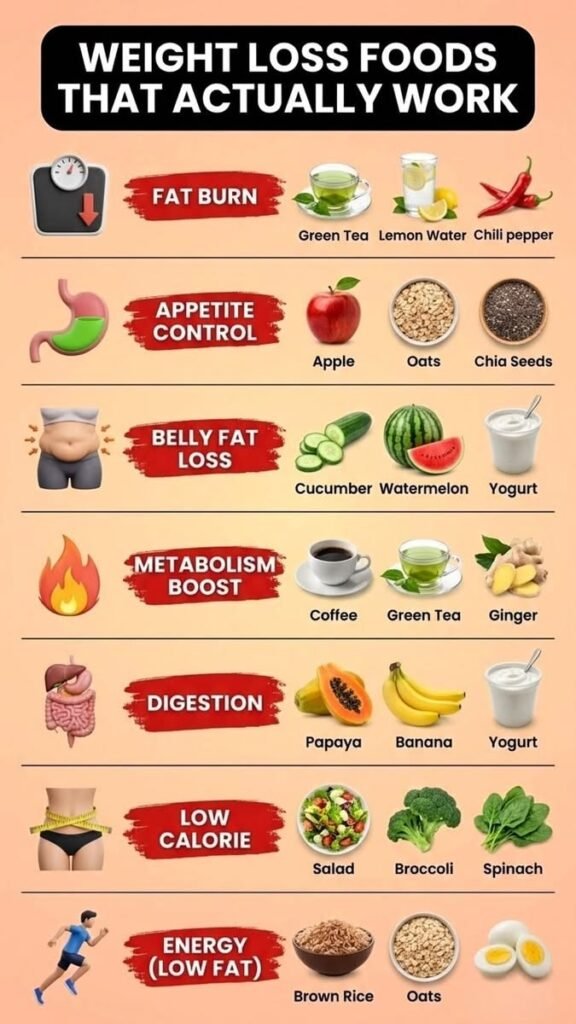
Foods that are high in fiber, protein, and water content tend to be more satiating, thus helping to regulate appetite. Incorporating such foods into one’s diet can lead to a reduced overall caloric intake without the detrimental feeling of deprivation. The implications are clear: embracing foods that enhance satiety can facilitate a more manageable and successful weight loss journey.
Nutrient-Dense Foods That Promote Fullness
Nutrient-dense foods play a crucial role in aiding weight loss while ensuring that individuals feel full and satisfied. These foods tend to be rich in vitamins, minerals, and other beneficial compounds, providing superior nourishment with fewer calories. By incorporating nutrient-dense foods into one’s diet, individuals can effectively manage their appetite and enhance their well-being.
One significant category of nutrient-dense foods includes high-fiber vegetables such as broccoli, carrots, and spinach. These vegetables are not only low in calories but also high in fiber, which promotes satiety by adding bulk to meals. Fiber takes longer to digest, which helps maintain a feeling of fullness, thereby reducing overall calorie intake. Additionally, these vegetables are packed with vitamins and antioxidants that contribute to optimal health.
Whole grains are another excellent source of nutrient density. Foods such as brown rice, quinoa, and oats provide complex carbohydrates alongside fiber, which slows digestion and enhances feelings of fullness. Unlike refined grains, whole grains retain their bran and germ layers, making them more beneficial for sustained energy levels and reducing hunger.
Incorporating lean proteins into meals can significantly impact satiety. Foods like chicken breast, fish, beans, and lentils are not only low in fat but are also effective in curbing hunger due to their high protein content. Proteins facilitate the release of hormones that help signal fullness to the brain, making them a vital component in a weight loss diet.
Lastly, healthy fats from sources such as avocados, nuts, and olive oil can also promote a sense of satiation. While fats are calorie-dense, including small amounts in meals can help minimize cravings and enhance flavor, making it easier to maintain a balanced diet. These fats provide essential fatty acids and support various bodily functions.
Strategies for Incorporating Satiety-Inducing Foods into Your Diet
To effectively incorporate satiety-inducing foods into your diet, it’s important to employ thoughtful meal planning and preparation techniques. Begin by identifying foods rich in fiber, protein, and healthy fats, which are known for their fullness-promoting properties. These include whole grains, lean proteins, legumes, nuts, and seeds. Structuring your meals around these food groups can enhance your sense of fullness and help manage hunger levels.
When planning your meals, aim for a balance of macronutrients in each sitting. For instance, a meal that includes a source of protein, complex carbohydrates, and healthy fats can help optimize satiety. For example, consider a quinoa salad with black beans, diced avocado, and mixed vegetables. This combination not only provides essential nutrients but also promotes prolonged satisfaction, reducing the likelihood of unhealthy snacking.
Portion control is another key strategy to consider. While larger portions may seem enticing, moderate portions of nutrient-dense foods tend to be more satisfying. Utilize smaller plates or bowls to help control portion sizes while still allowing for a variety of foods. By doing so, you encourage mindful eating, which can lead to better enjoyment of your meals and ultimately enhance feelings of fullness.
Incorporating satiety-promoting foods into healthy snacks is equally important. When creating snack options, opt for combinations that combine fiber and protein, such as apple slices paired with almond butter or Greek yogurt topped with berries and nuts. Additionally, consider modifying your favorite recipes to include these foods creatively, ensuring they remain enjoyable and satisfying. For example, adding spinach and beans to a smoothie not only boosts its nutritional value but also improves satiety, allowing you to feel satisfied until your next meal.
Success Stories: Real-Life Examples of Weight Loss Through Satiety
The journey towards healthy weight loss can be daunting, yet numerous individuals have achieved remarkable success by focusing on foods that promote satiety. These real-life examples illustrate the transformative power of incorporating satisfying foods into daily diets.
One inspiring story is that of Maria, a 35-year-old mother of two. Struggling with her weight post-pregnancy, she found that traditional dieting often left her feeling deprived and hungry. After learning about the importance of satiety in weight management, she began to incorporate foods rich in fiber and protein into her meals. She found that meals centered around whole grains, legumes, and lean meats kept her full for longer periods, reducing her cravings for unhealthy snacks. Over the course of a year, Maria lost over 40 pounds and improved her overall energy levels, which inspired her family to adopt healthier eating habits as well.
Another powerful testament comes from John, a 45-year-old office worker who struggled with weight gain due to a sedentary lifestyle and poor eating choices. After attending nutrition workshops focusing on satiety, John learned the importance of eating nutrient-dense, filling foods. By integrating more vegetables, healthy fats, and high-protein items into his diet, he discovered that he could enjoy larger portions without sacrificing nutrition. On his journey, he lost 50 pounds while also reducing his blood pressure and cholesterol levels. John’s experience underscores how focusing on satiating foods not only facilitates weight loss but also enhances overall health.
The success stories of Maria and John highlight that achieving healthy weight loss is not just about restricting calories; rather, it involves a fundamental shift in how individuals view and approach food. By embracing foods that satisfy, many have been able to overcome challenges and attain lasting transformations.