
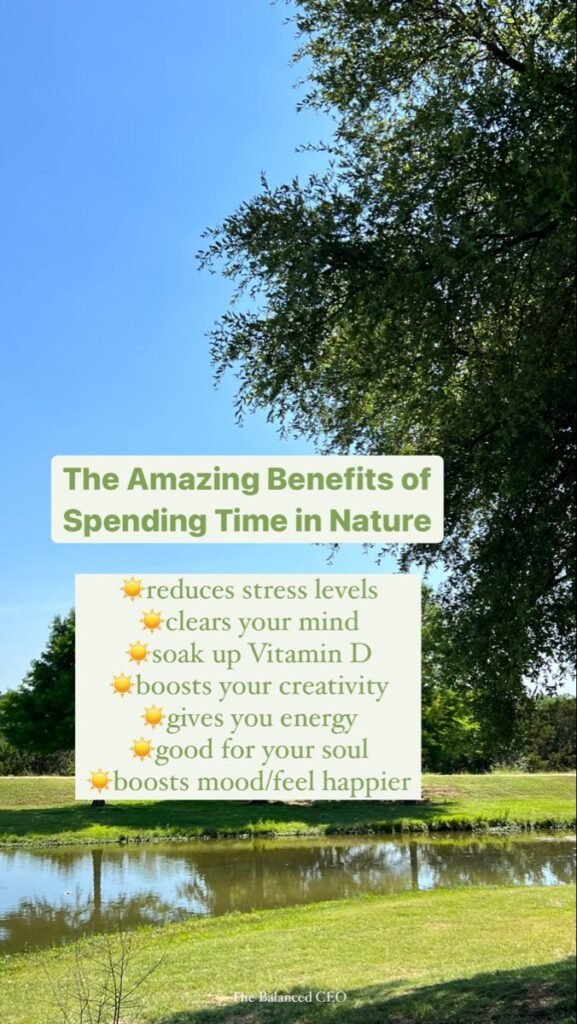
Introduction: Understanding Nature’s Importance
In an increasingly urbanized world, the value of spending time in nature has gained significant attention. The basic premise is that immersion in natural environments yields various benefits for human well-being, encompassing physical, mental, and emotional health. While many individuals recount personal experiences of rejuvenation and clarity derived from nature, it is essential to distinguish between these subjective accounts and the scientifically supported evidence that underpins the significance of nature in our lives.
Thank you for reading this post, don't forget to subscribe!Research in fields such as environmental psychology and health sciences has consistently demonstrated that regular exposure to natural settings can lead to measurable enhancements in mood, reduction in anxiety, and improvements in overall mental health. For instance, studies indicate that individuals who engage in outdoor activities frequently reported lower levels of stress and higher levels of life satisfaction. In contrast, prolonged confinement to urban environments often correlates with feelings of restlessness and dissatisfaction.
Moreover, nature exposure is linked to physical health benefits. Engaging in outdoor activities, whether through hiking, gardening, or simply strolling in a park, promotes physical fitness and encourages active lifestyles. Scientific literature suggests that these activities can reduce the risk of chronic diseases and foster better cardiovascular health. Such benefits extend beyond the individual, as communities that prioritize green spaces tend to experience enhanced social cohesion and increased public health outcomes.
The conversation surrounding nature’s importance is not merely anecdotal; it is backed by empirical data, illustrating that our connection to the natural world plays a crucial role in enhancing our quality of life. As we delve deeper into the multifaceted advantages offered by nature, it will become evident that prioritizing these experiences is essential for fostering overall well-being.
Physical Health Benefits of Nature Exposure
Spending time in nature has been widely recognized for its profound impact on physical health. Numerous studies have shown that exposure to natural environments can lead to significant improvements in cardiovascular health. Engaging in outdoor activities such as hiking, walking, or cycling not only enhances physical fitness levels but also fosters a heart-healthy lifestyle. The act of being outdoors encourages more active habits, leading to improved cardiovascular function and lower blood pressure.
Moreover, time spent in nature has been linked to reduced inflammation in the body. Research indicates that natural settings can lower the levels of inflammatory markers, which are associated with various chronic diseases. This reduction in inflammation is crucial for maintaining optimal health and preventing conditions such as obesity, diabetes, and cardiovascular disease.
Additionally, biological responses to outdoor exposure contribute to overall well-being. For instance, when individuals immerse themselves in nature, the body’s stress response is mitigated. This effect is attributed to decreased cortisol levels, which is called the stress hormone. Lower cortisol levels can lead to a myriad of physical health benefits, including improved immune function and better recovery times after physical exertion.
Studies have shown that the mere act of viewing greenery can stimulate physiological changes, reducing the perceived effort during physical activities and improving endurance. As a result, individuals who engage in fitness routines in natural settings tend to perform better and enjoy a more pleasurable experience compared to exercising indoors.
Incorporating nature into daily routines, whether through a stroll in the park or an adventurous hike, can lead to tangible improvements in physical health. Thus, it is clear that the benefits of nature exposure extend well beyond anecdotal evidence, significantly enhancing physical well-being.
Mental and Emotional Health Gains
Extensive research has illustrated that spending time in nature can yield significant mental and emotional health benefits. Numerous studies have shown that exposure to green spaces can effectively reduce symptoms of anxiety and depression. This can be attributed to various factors inherent to the natural environment, such as its calming visual aesthetics, the soothing sounds of nature, and the ability to disengage from daily stressors that often contribute to mental fatigue.
Engaging with nature offers a respite from the overwhelming stimuli of urban life. For instance, the simple act of walking in a park or sitting by a lake can enhance an individual’s mood and foster feelings of tranquility. Such experiences are inherently associated with a natural mindfulness that occurs when one is surrounded by trees, plants, and wildlife. Mindfulness, in itself, has documented therapeutic benefits, helping individuals cultivate awareness and emotional regulation.
Moreover, the documented psychological advantages of outdoor spaces extend beyond simple mood enhancement. Research indicates that regular interactions with natural settings can lead to improved cognitive function, increased creativity, and enhanced problem-solving skills. Green environments can serve to rejuvenate the mind, which in turn can boost overall productivity and improve the ability to focus.
Urban settings that incorporate green spaces can also serve as vital components for community well-being. Access to parks, gardens, and natural reserves can promote social interaction, decrease feelings of loneliness, and improve community ties, all of which contribute positively to mental health. The integration of nature into everyday life is not merely beneficial but essential for maintaining psychological well-being.
Nature as a Catalyst for Creativity and Productivity
The relationship between nature and enhanced creativity and productivity has garnered significant attention in recent years. Studies have shown that spending time in nature can stimulate cognitive functioning, ultimately leading to increased creative outputs and improved work performance. Immersing oneself in natural surroundings has been associated with reduced mental fatigue, thus allowing for clearer thought processes and heightened problem-solving abilities. This connection highlights the necessity of leveraging natural elements to foster an innovative mindset.
Incorporating nature into daily routines can be implemented in various practical ways. For example, opting for outdoor meetings instead of indoor conference rooms can infuse fresh perspectives into discussions. Additionally, taking short breaks to walk in a nearby park or garden can rejuvenate the mind and enhance focus, serving as a necessary antidote to the stresses of a typical workday. Engaging with nature during lunch hours, whether through a simple outdoor picnic or a stroll through greenery, offers respite from rigid office environments and stimulates mental clarity.
Moreover, individuals can implement strategies that encourage regular engagement with nature in their work and personal lives. Setting specific times for nature-based activities, such as weekend hikes or daily walks, can help in establishing a routine that fosters both creativity and productivity. Furthermore, integrating plants into workspaces or surrounding oneself with scenic views can provide psychological benefits and enhance overall mood. By utilizing these methods, individuals can combat burnout and promote greater work satisfaction.
Ultimately, fostering a connection with nature is pivotal not only for individual well-being but also for enhancing creative thinking and productivity levels in various environments. The undeniable link between nature and cognitive performance supports the notion that nature is an essential component for those looking to maximize their creative potential and overall effectiveness in their work.

