
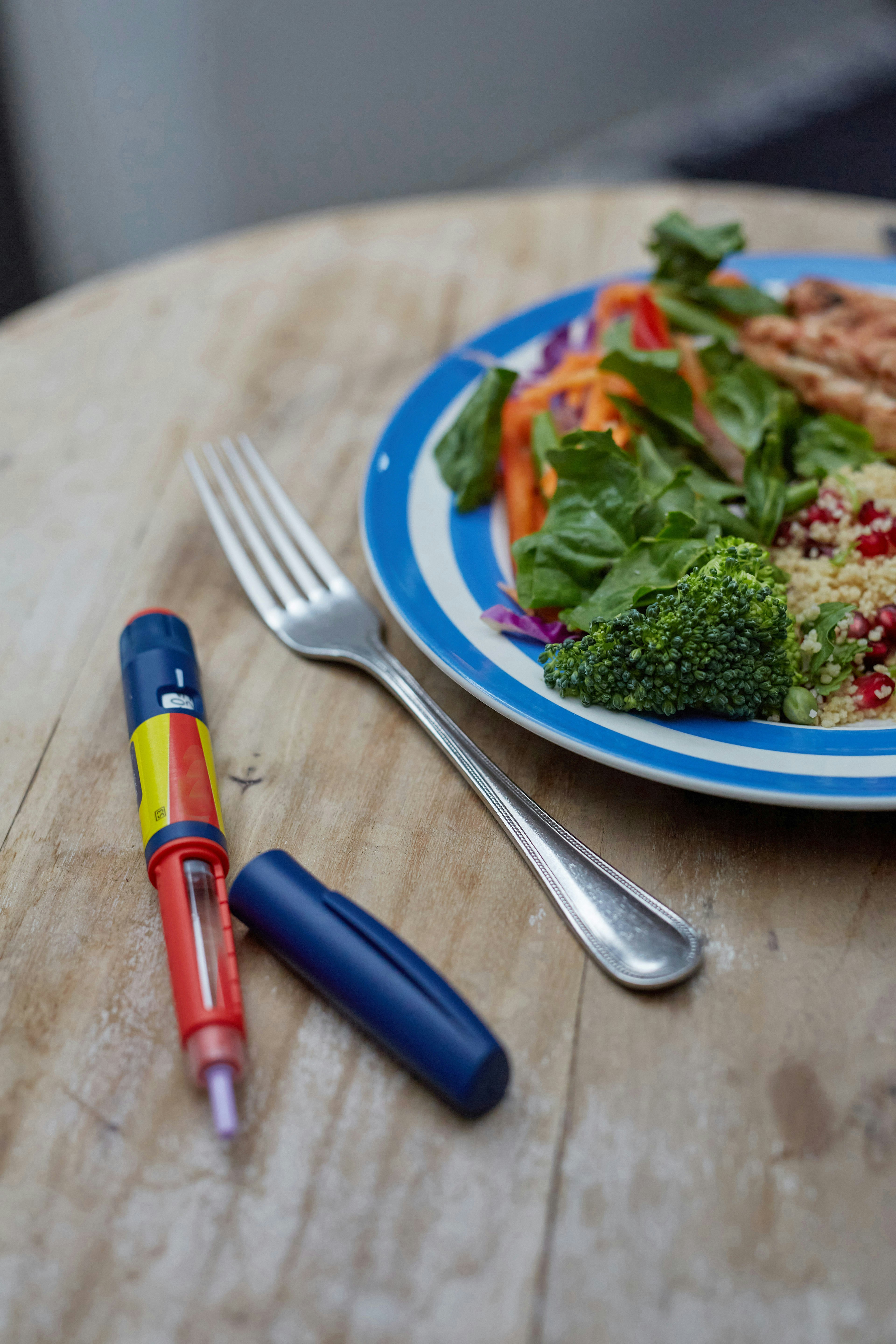
Understanding Inflammation and Its Impact on Health
Inflammation is a natural response of the body to injury, infection, or harmful stimuli, playing a crucial role in the healing process. It can be categorized into two primary types: acute and chronic inflammation. Acute inflammation occurs as a short-term response, characterized by symptoms such as redness, swelling, and pain, and serves to protect the body by promoting healing. However, once the underlying issue is resolved, the inflammatory response typically subsides.
Thank you for reading this post, don't forget to subscribe!Conversely, chronic inflammation persists over an extended period and can become detrimental to health, contributing to an array of serious conditions. Chronic inflammation has been linked to various health issues, including cardiovascular diseases, type 2 diabetes, arthritis, and even some cancers. In such cases, the immune system remains activated, leading to ongoing damage to healthy tissues, which can exacerbate existing health problems.
The connection between chronic inflammation and these illnesses highlights the importance of managing inflammation through lifestyle choices, particularly diet. Certain foods have pro-inflammatory properties that may lead to a heightened risk of developing chronic diseases, while others possess anti-inflammatory effects that can help mitigate these risks. Diets rich in whole foods, such as fruits, vegetables, whole grains, lean proteins, and healthy fats, can significantly impact inflammation levels in the body, promoting overall health.
Adopting an anti-inflammatory lifestyle, which includes mindful food choices, regular physical activity, and stress management, can substantially reduce the risks associated with chronic inflammation. By understanding the role inflammation plays in health, individuals can take proactive measures through their dietary patterns to enhance their well-being and reduce the likelihood of developing inflammation-related health issues.
Key Principles of the Anti-Inflammatory Diet
The anti-inflammatory diet centers on the premise that certain foods can mitigate inflammation in the body, which is a root cause of various chronic diseases such as heart disease, diabetes, and arthritis. By focusing on whole, nutrient-dense foods while avoiding processed options, individuals can significantly enhance their overall health.
The diet encourages the consumption of a variety of fruits and vegetables, which are rich in antioxidants and phytochemicals that combat inflammation. Berries, leafy greens, and cruciferous vegetables like broccoli and cauliflower are particularly beneficial. Whole grains, such as quinoa and brown rice, provide essential fibers that not only support gut health but also help regulate inflammatory responses.
Healthy fats are also a cornerstone of the anti-inflammatory diet. Incorporating sources of omega-3 fatty acids — prevalent in fatty fish like salmon and walnuts, as well as flaxseeds — can further reduce inflammation. Lean proteins, including poultry, beans, and legumes, provide vital nutrients without the harmful saturated fats often found in red meats.
Conversely, the diet advises limiting or eliminating processed foods, refined carbohydrates, added sugars, and trans fats, as these have been linked to increased inflammation. Foods high in sugar can lead to rapid spikes in blood glucose levels, triggering inflammatory pathways. Additionally, trans fats found in many fried and commercially baked goods contribute to heart disease and other inflammatory conditions.
To incorporate these principles into daily meals, individuals can begin by planning ahead, creating menus that prioritize anti-inflammatory ingredients. Simple strategies such as preparing meals in advance, experimenting with healthy recipes, and keeping whole foods readily available can simplify adherence to this diet.
A 7-Day Meal Plan: Structure and Suggestions
Embarking on an anti-inflammatory diet can feel overwhelming for beginners. However, with a structured approach, it becomes manageable and rewarding. The following 7-day meal plan includes a variety of options for breakfast, lunch, dinner, and snacks, ensuring a balanced intake of nutrients while adhering to anti-inflammatory principles. Each meal is designed to minimize inflammation and promote overall wellness.
Day 1: Start your week with oatmeal topped with berries for breakfast. For lunch, prepare a quinoa salad with mixed vegetables and a lemon vinaigrette. Dinner can feature grilled salmon with steamed broccoli and sweet potatoes. Snack on a handful of almonds.
Day 2: Enjoy a smoothie with spinach, banana, and flaxseeds for breakfast. A chickpea and avocado salad will work well for lunch, while dinner can showcase a stir-fry of tofu and bell peppers served over brown rice. Carrot sticks with hummus make a perfect snack.
Day 3: Breakfast could include Greek yogurt topped with walnuts and honey. A lentil soup paired with a side salad serves as a hearty lunch, and for dinner, consider a baked chicken breast accompanied by green beans. Finish with an apple for a light snack.
Day 4: For breakfast, try scrambled eggs with spinach and tomatoes. A turkey wrap with whole-grain tortilla will be ideal for lunch, followed by a dinner of roasted vegetables and quinoa. Enjoy some cherry tomatoes as a refreshing snack.
Day 5: Start with a chia seed pudding flavored with almond milk and berries. For lunch, a mixed green salad with chickpeas and a tahini dressing will nourish you, while dinner can be whole-grain pasta with marinara sauce and sautéed zucchini. A handful of sunflower seeds can serve as a snack.
Day 6: Kick off your day with oatmeal and apple slices. For lunch, indulge in a vegetable stir-fry served with brown rice. Dinner might include a shrimp and avocado salad. Snack on cucumber slices with guacamole.
Day 7: Finish your meal plan week with a smoothie bowl for breakfast. A lentil salad for lunch is both filling and nutritious, while roasted chicken with asparagus rounds out the day’s dinner. For a snack, consider Greek yogurt with a sprinkle of cinnamon.
Meal prep can significantly ease the transition to this anti-inflammatory diet. Prepare ingredients in bulk, such as cooking quinoa or chopping vegetables, to have them ready for use throughout the week. This not only saves time but also promotes healthier eating habits. Additionally, swapping ingredients according to personal preferences, whether for vegetarian options or to accommodate allergies, is encouraged. For example, replace chicken with tempeh or incorporate different seasonal vegetables to keep meals exciting.
Tips for Sustaining an Anti-Inflammatory Lifestyle After the First Week
Transitioning from a structured 7-day anti-inflammatory meal plan to a long-term dietary approach can be challenging yet rewarding. The key to sustaining an anti-inflammatory lifestyle lies in effective meal planning and consistent grocery shopping. Begin by creating a rotating meal plan that incorporates a variety of anti-inflammatory foods such as fruits, vegetables, whole grains, lean proteins, and healthy fats. This not only keeps meals interesting but also ensures that your body continues to receive diverse nutrients that promote optimal health.
To simplify your shopping, maintain a grocery list focused on anti-inflammatory ingredients. Regularly review your pantry and refrigerator to identify staples that support your dietary goals. Consider organizing your grocery shopping by categories, such as produce, proteins, and grains, which can make the shopping process more efficient. Moreover, purchasing in bulk can be both cost-effective and time-saving, as you will have essential ingredients readily available for meal preparation.
Joining cooking groups or online forums dedicated to the anti-inflammatory diet can provide valuable support and inspiration. Engaging with a community allows you to share experiences, recipes, and tips that align with your dietary approach. Additionally, seeking guidance from nutritionists or dietitians who specialize in anti-inflammatory diets can help you gain insights tailored to your individual needs.
Listening to your body is paramount as you continue this journey. Pay attention to how different foods affect your energy, mood, and overall well-being. This mindfulness will empower you to make informed dietary adjustments over time, ensuring that your eating habits remain aligned with your health objectives. The long-term benefits of an anti-inflammatory diet can significantly enhance your quality of life, making it a worthwhile endeavor.

