
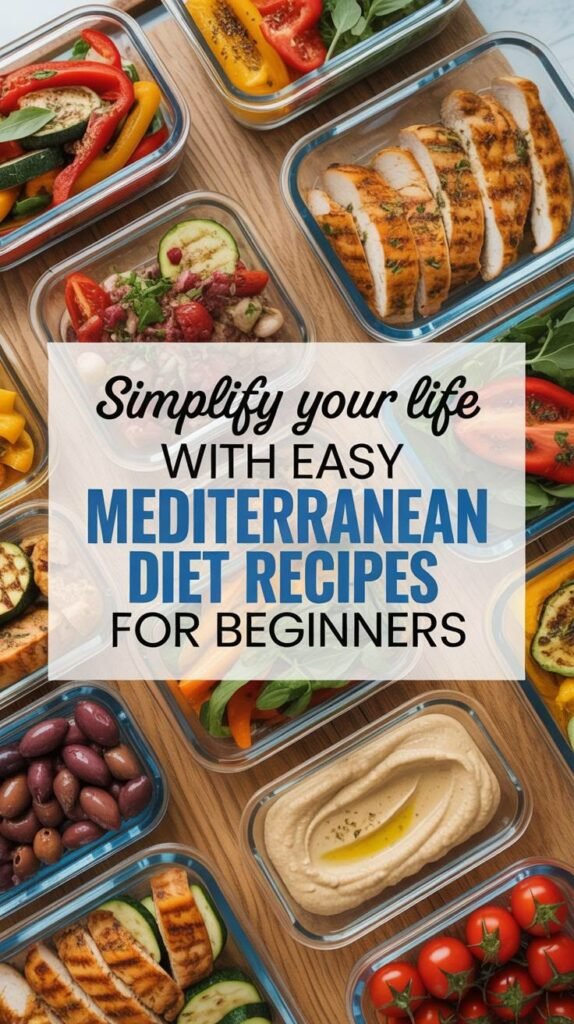
Introduction to the Mediterranean Diet
The Mediterranean diet is a dietary pattern inspired by the traditional eating habits of countries bordering the Mediterranean Sea, including Spain, Italy, and Greece. Its origins can be traced back to the early 1960s when researchers began to observe remarkably low rates of heart disease among such populations. This unique diet is characterized by a high intake of fruits, vegetables, whole grains, legumes, and nuts, combined with healthy fats, predominantly olive oil, and moderate consumption of fish and poultry. Red meat and sugar are consumed sparingly, making this diet not only balanced but also diverse.
Thank you for reading this post, don't forget to subscribe!One of the key principles of the Mediterranean diet is the emphasis on whole foods. This means prioritizing natural, unprocessed ingredients that are rich in nutrients. Whole foods play a vital role in achieving optimal health as they provide essential vitamins, minerals, and antioxidants necessary for overall well-being. Furthermore, the Mediterranean eating approach encourages the use of healthy fats, specifically monounsaturated fats, which have been shown to promote heart health and lower bad cholesterol levels.
In addition to health benefits, the Mediterranean diet is deeply woven into the fabric of a lifestyle that promotes well-being. Social connections, family meals, and physical activity are integral to this culture, reflecting a holistic approach to health. The cultural aspects of the Mediterranean diet illustrate how food is not just about nutrition, but also about fellowship and enjoyment. Scientific studies have established its effectiveness in reducing the risk of various chronic conditions, such as heart disease, obesity, and even certain types of cancer. The Mediterranean diet thus not only nourishes the body but also enriches the spirit, making it an ideal choice for those seeking a sustainable and healthful lifestyle.
Essential Ingredients for Mediterranean Cooking
The Mediterranean diet is celebrated not only for its health benefits but also for its rich flavors and vibrant ingredients. At the heart of Mediterranean cooking are several essential ingredients that contribute to its unique taste and nutritional profile.
Olive oil is perhaps the most iconic ingredient in Mediterranean cuisine. Known for its health benefits, including heart-healthy fats and antioxidants, high-quality extra virgin olive oil serves as a flavorful base for dressings, marinades, and cooking methods. It can be used to sauté vegetables, drizzle over dishes, or even as a dipping sauce for bread.
Whole grains are another staple of this dietary pattern. Options such as farro, quinoa, barley, and whole wheat pasta provide essential carbohydrates and fiber. Incorporating these grains into meals can be as simple as replacing refined grains with whole grain alternatives, or by adding grains to salads and soups for added texture and nutrition.
Fresh vegetables and fruits, particularly leafy greens, tomatoes, cucumbers, and peppers, are fundamental to Mediterranean cooking. These ingredients can be utilized in salads, grilled, or roasted as side dishes. Aiming for a colorful plate not only enhances the visual appeal but also boosts the variety of nutrients consumed. Aim for seasonal produce to maximize flavor and freshness.
Legumes such as chickpeas, lentils, and beans are excellent protein sources and are often featured in Mediterranean recipes. They can be incorporated into salads, soups, or stews, providing a heartiness that aligns well with the plant-forward focus of Mediterranean eating.
Seafood, particularly fish rich in omega-3 fatty acids like salmon and sardines, plays a crucial role in this culinary tradition. Incorporating fish into your diet a few times a week can yield significant health advantages, including improved cardiovascular health.
Finally, fresh herbs and spices like basil, oregano, parsley, and garlic elevate the flavor of Mediterranean dishes without the need for excessive salt. They can easily be added to a variety of recipes to enhance taste while promoting overall health.
For those who may not have access to specific ingredients, consider alternatives that can capture similar flavors and textures. This flexibility allows novice cooks to embrace Mediterranean recipes while adapting to local availability. Integrating these essential components into daily cooking can lead to a delightful and wholesome culinary experience.
Easy Mediterranean Recipes for Beginners
The Mediterranean diet is renowned for its health benefits, including reduced risks of heart disease and improved cognitive function. Trying simple Mediterranean recipes can be a great entry point into this flavorful cuisine, allowing beginners to enjoy nutrient-rich meals without complexity.
One standout dish is the **Mediterranean quinoa salad**. To prepare this vibrant salad, combine cooked quinoa with chopped cucumbers, cherry tomatoes, red onion, and parsley. Dress it with a mixture of olive oil, lemon juice, salt, and pepper. This salad is not only refreshing but also boasts a complete protein profile due to quinoa and provides a wealth of vitamins from the fresh vegetables.
Another essential Mediterranean recipe is **hummus**. This creamy dip can be made by blending chickpeas, tahini, olive oil, garlic, and lemon juice. Hummus serves as a versatile spread that can accompany pita bread, fresh vegetables, or whole grain crackers, making it a fantastic source of plant-based protein and fibers while being extremely satisfying.
Also included in beginner-friendly Mediterranean recipes is the **grilled vegetable wrap**. For this dish, select a variety of seasonal vegetables such as zucchini, bell peppers, and eggplant. Marinate them in olive oil, balsamic vinegar, salt, and herbs of your choice, then grill until tender. Wrap the grilled vegetables in a whole grain or spinach tortilla, and you have a quick, nutritious meal. This dish highlights the flavors of grilled vegetables while delivering antioxidants and vitamins.
These simple Mediterranean recipes exemplify the diet’s focus on fresh ingredients, healthy fats, and whole grains, making them ideal for anyone looking to start a Mediterranean lifestyle. Each recipe can be adjusted to suit personal preferences, ensuring that meal preparation remains enjoyable and stress-free.
Tips for Adopting the Mediterranean Diet
Adopting the Mediterranean diet can be a rewarding journey towards improved health and well-being. Here are several practical tips to help you seamlessly integrate this diet into your daily life.
First, meal planning is essential. Allocate time each week to plan your meals based on the Mediterranean diet principles, which emphasize the intake of fruits, vegetables, whole grains, legumes, and healthy fats such as olive oil. By preparing a weekly menu, you will ensure a balanced intake of nutrients and make healthier choices when grocery shopping. Additionally, consider batch cooking to save time during the week.
Next, when cooking, opt for methods that retain the nutritional value of foods. Grilling, baking, steaming, and sautéing with minimal oil are recommended methods, which not only preserve taste but also reduce excess calories. Try experimenting with herbs and spices as these can enhance flavor without adding sodium, keeping in line with the Mediterranean approach to cuisine.
Creating a balanced plate is another crucial step. Aim to fill half of your plate with vegetables and fruits, a quarter with whole grains, and the remaining quarter with lean protein sources, such as fish and legumes. This model not only supports healthy eating but also reflects the variety celebrated by Mediterranean culture.
The social aspect of dining is a significant component of the Mediterranean lifestyle. Share meals with family and friends whenever possible, as this encourages mindfulness and enjoyment of food. Moreover, incorporate physical activity into your routine; walking after meals or engaging in recreational sports encapsulates the active lifestyle associated with this diet.
Finally, practice mindful eating. Pay attention to your hunger and fullness cues, savor each bite, and detach from distractions during meals. By following these tips and embracing the Mediterranean way of life, you can cultivate a healthier relationship with food while gaining the numerous benefits it offers.