
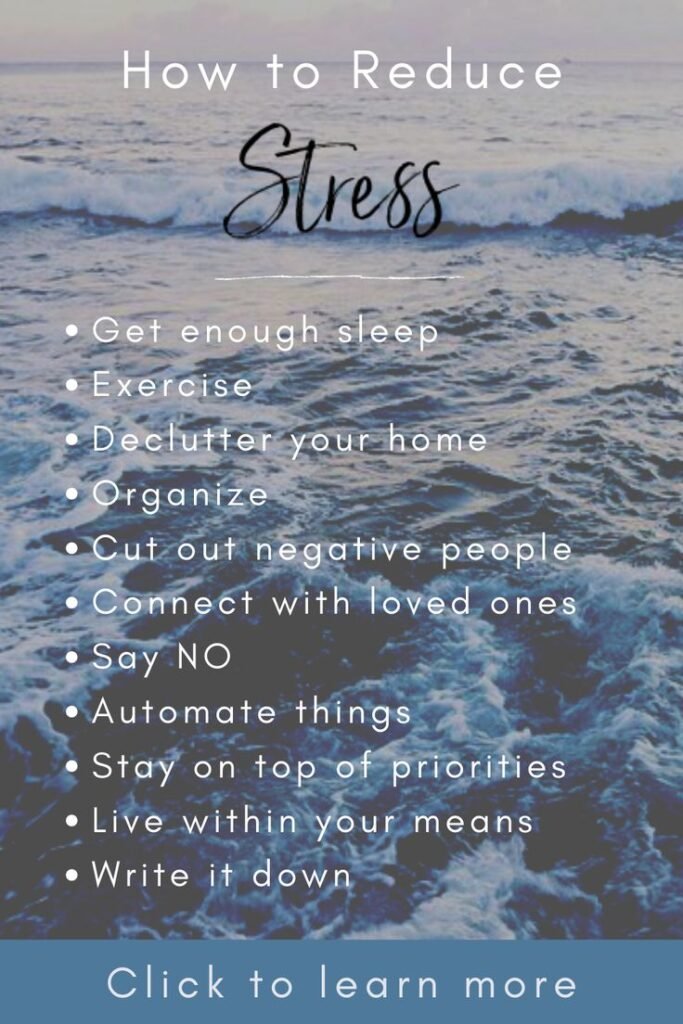
Understanding Stress and Its Impact
Stress is a natural physiological and psychological response to external challenges or demands. It triggers the body’s fight-or-flight response, leading to a series of hormonal and physical reactions intended to prepare an individual to handle a perceived threat. There are primarily two types of stress: acute stress, which is short-term and often results from immediate challenges, and chronic stress, which persists over an extended period and can arise from ongoing life challenges such as work pressures, financial difficulties, or personal issues.
The body’s response to stress begins in the brain, where the hypothalamus signals the release of stress hormones, such as adrenaline and cortisol. These hormones increase heart rate, elevate blood pressure, and boost energy supplies, equipping the body to confront the stressor. While this response is adaptive in the short term, prolonged exposure to stress hormones can lead to negative health effects. Chronic stress can contribute to serious health conditions, including heart disease, obesity, diabetes, anxiety disorders, and depression.
Furthermore, unmanaged stress can affect everyday functioning and quality of life. Individuals may experience fatigue, irritability, and a decline in cognitive functions such as concentration and memory. This degradation can impair daily decision-making and interpersonal relationships, exacerbating feelings of isolation and helplessness. Recognizing the signs of stress and understanding its implications are crucial steps toward effectively managing it. By acknowledging how stress manifests in both the mind and body, individuals can take proactive measures to mitigate its effects and improve overall well-being.
Practical Techniques for Daily Stress Reduction
Managing daily stress is essential for maintaining both physical and mental well-being. Incorporating practical techniques into one’s routine can enable individuals to mitigate stress effectively. Among the most accessible methods are breathing exercises, mindfulness practices, and physical activities, each offering unique benefits.
Breathing exercises serve as a fundamental tool for stress reduction. These techniques can be implemented anywhere, making them highly versatile. For instance, the 4-7-8 breathing method involves inhaling for four seconds, holding the breath for seven seconds, and exhaling for eight seconds. This practice not only calms the mind but also regulates the body’s response to stress by promoting relaxation.
Mindfulness practices, such as meditation and guided imagery, can further assist in reducing stress levels. Allocating just a few minutes each day to mindfulness can enhance focus and clarity while reducing anxiety. For example, during breaks at work, individuals can practice mindful breathing or engage in brief meditation sessions to re-center their thoughts and foster resilience against daily stressors.
Physical activities, including walking, yoga, or any form of exercise, are also highly effective in combatting stress. Regular exercise releases endorphins, the body’s natural mood lifters, which significantly improve mental health. Individuals can integrate these activities into their lives by opting for a walk during lunch breaks or practicing yoga at home in the mornings. These subtle shifts can lead to substantial improvements in stress management.
Incorporating these techniques into a busy lifestyle does not require extensive time commitments. Simple adjustments, such as taking a few minutes for deep breathing, engaging in a brief meditation, or adding a daily walk, can lead to noticeable reductions in stress levels. By practicing these methods, individuals can cultivate a more balanced and tranquil life, ultimately leading to improved overall health.
Creating a Balanced Lifestyle to Minimize Stress
Achieving a balanced lifestyle is fundamental in minimizing daily stress, as various elements contribute significantly to overall well-being. One of the most critical components is proper nutrition. A well-rounded diet rich in fruits, vegetables, whole grains, lean proteins, and healthy fats not only fuels the body but also supports mental health. Nutrients such as Omega-3 fatty acids, vitamins, and minerals can play pivotal roles in mood regulation and emotional resilience. Thus, incorporating a diverse array of foods into daily meals can provide the necessary nutrients to combat stress.
In addition to nutrition, regular exercise is another vital aspect of creating a balanced lifestyle. Engaging in physical activity, whether through structured workouts or everyday activities like walking or gardening, can lead to the release of endorphins, which are known as “feel-good” hormones. These chemicals can alleviate feelings of stress and anxiety. Experts recommend finding an exercise routine that is enjoyable, as this promotes consistency and makes physical activity an integral part of daily life.
Moreover, adequate sleep is crucial for stress management. Sleep deprivation can heighten stress levels and negatively impact cognitive function. Establishing a regular sleep schedule, creating a calming bedtime routine, and maintaining a sleep-conducive environment can significantly enhance sleep quality. Prioritizing rest allows the body to recover and re-energize, equipping individuals to deal more effectively with stressors.
Finally, maintaining social connections fosters emotional support and resilience against stress. Building strong relationships with family, friends, and colleagues can create a valuable support system. Regular interaction, whether through face-to-face meetings or virtual communication, can provide comfort, reduce feelings of isolation, and enhance overall mental health. Implementing these strategies collectively contributes to creating a balanced routine that nurtures well-being and decreases stress.
Seeking Support and Professional Help
Recognizing when stress becomes overwhelming is an essential aspect of managing mental health effectively. While stress is a common part of everyday life, persistent or intense stress can have detrimental effects on one’s physical and emotional well-being. Therefore, knowing when to seek support is critical for maintaining balance and promoting resilience.
Initiating conversations with friends and family can provide immediate relief. Often, simply sharing your experiences with loved ones can help diffuse feelings of isolation associated with stress. Friends and family can offer valuable perspectives, emotional encouragement, and practical assistance that can aid in alleviating stress levels. It is important to choose those who you feel comfortable with and who can provide a listening ear without judgment.
In addition to personal connections, support groups can be incredibly beneficial. These groups bring together individuals who share similar experiences and challenges related to stress. Engaging in such a community fosters a sense of belonging and allows members to exchange coping strategies. This collective approach can make it easier to face stress, as members learn from one another and provide mutual support.
However, there are times when the level of stress may require more structured guidance and intervention. In such cases, seeking professional help, such as therapy or counseling, becomes vital. Mental health professionals can offer evidence-based treatment approaches tailored to individual needs. They are equipped to help recognize the underlying causes of stress and develop effective coping mechanisms. Symptoms indicating the need for professional intervention include persistent feelings of anxiety, depression, or a sense of being overwhelmed.
In conclusion, recognizing the limits of personal coping mechanisms is essential. Seeking support from friends, family, or support groups can provide immediate relief, while professional help can address deeper issues of stress effectively. There is significant strength in reaching out for assistance when life becomes overwhelming, ensuring a healthier and more balanced approach to stress management.