
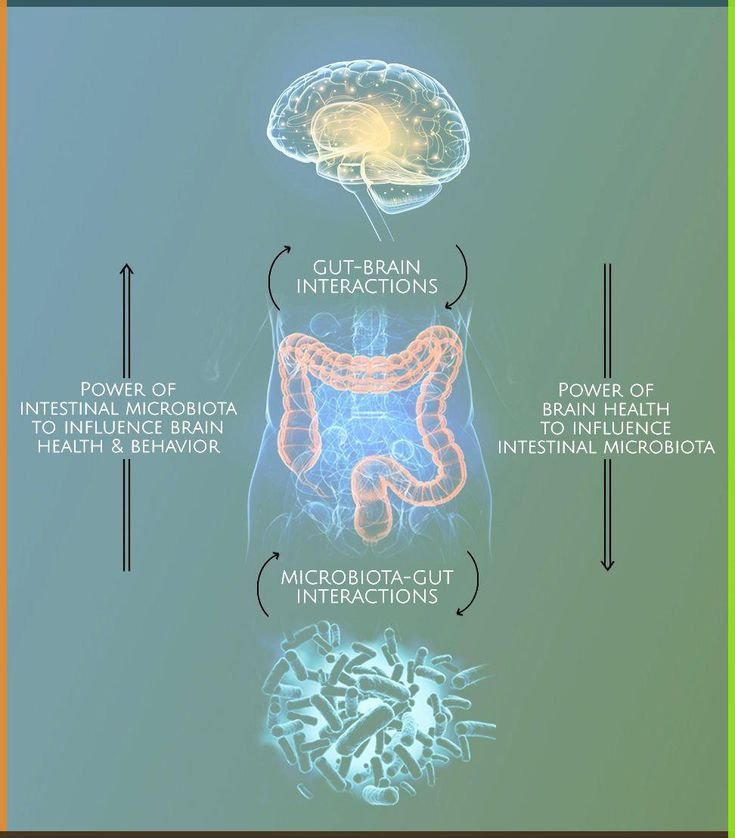
Understanding the Gut Microbiome
The gut microbiome is a complex ecosystem composed of trillions of microorganisms, including bacteria, viruses, fungi, and other microbes that reside within the digestive tract. It plays a crucial role in maintaining overall health and well-being, influencing various bodily functions. The composition of the gut microbiome can vary vastly between individuals, shaped by factors such as diet, environment, and genetics.
Thank you for reading this post, don't forget to subscribe!One of the primary functions of the gut microbiome is to aid in digestion. It helps break down complex carbohydrates and fibers that the human digestive system cannot process alone, thereby deriving essential nutrients and energy from the food consumed. Additionally, the gut microbiome contributes to the synthesis of vital vitamins and minerals, especially B vitamins and vitamin K. This symbiotic relationship not only enhances nutrient absorption but also promotes a healthy digestive system.
Beyond digestion, the gut microbiome plays a significant role in modulating the immune system. It acts as a barrier against harmful pathogens, regulates immune responses, and can even influence inflammation levels in the body. The interaction between the gut microbiome and the immune system is critical for maintaining health; an imbalance in this ecosystem can lead to various health issues, including allergies and autoimmune disorders.
However, several factors can disrupt the balance of the gut microbiome. Poor dietary choices, such as high sugar or processed food intake, stress, medications like antibiotics, and a lack of physical activity, can adversely affect its composition. Such disruptions might lead to gut dysbiosis, which is characterized by an altered microbiome profile that has been linked to conditions such as irritable bowel syndrome, obesity, and even mental health disorders. Recognizing the signs indicating the gut microbiome needs attention is essential for addressing these imbalances and preserving overall health.
Common Signs Your Gut Needs Attention
The gut microbiome plays a crucial role in maintaining overall health, and its imbalance can manifest through various physical and psychological symptoms. One of the most prevalent signs indicating an unhealthy gut is bloating. Individuals often experience discomfort and swelling in the abdominal area, which can stem from the disruption of healthy gut bacteria.
Alongside bloating, digestive issues such as diarrhea and constipation are common indicators of a microbiome imbalance. An irregular bowel movement pattern may suggest that the gut is struggling to process food effectively, possibly due to a lack of beneficial bacteria or an overgrowth of harmful microorganisms.
Fatigue is another significant sign that one’s gut microbiome may need attention. Many people report feeling unusually tired or lethargic, which can often be traced back to digestive issues affecting nutrient absorption. When the gut is imbalanced, the body may not adequately absorb essential vitamins and minerals, leading to energy deficiencies.
Skin problems, including conditions like eczema and acne, can also signal that the gut requires intervention. The gut-skin connection is well-documented; an unhealthy gut may release inflammatory substances into the bloodstream, resulting in skin flare-ups or irritations.
Moreover, psychological effects such as mood swings or heightened anxiety often correlate with gut health. The gut-brain axis illustrates the profound link between gut microbiota and mental well-being. Imbalances in the gut may affect neurotransmitter production, which in turn influences mood and emotional regulation.
Recognizing these signs early can lead to improved health outcomes by addressing gut microbiome imbalances. Maintaining a healthy gut is essential for both physical and mental well-being, ensuring that an individual can thrive in everyday life.
Factors That Affect Gut Health
The gut microbiome, a complex community of microorganisms residing in the gastrointestinal tract, plays a vital role in overall health and well-being. However, various lifestyle factors can disrupt this delicate ecosystem, leading to imbalances that may negatively affect gut health.
One of the most significant factors influencing gut health is diet. A diet high in processed foods, sugars, and unhealthy fats can lead to the overgrowth of harmful bacteria. In contrast, a diet rich in fruits, vegetables, whole grains, and probiotics fosters a diverse gut microbiome. Incorporating dietary fiber, found in plant-based foods, is essential, as it serves as nourishment for beneficial gut bacteria.
Another critical factor is the use of antibiotics and certain medications. While antibiotics can be essential for treating bacterial infections, they also indiscriminately kill both harmful and beneficial bacteria in the gut. This disruption can lead to conditions such as antibiotic-associated diarrhea and may pave the way for dysbiosis, an imbalance in the gut microbiome. Being mindful of medication use and exploring alternatives when possible can help preserve gut health.
Stress levels also play a pivotal role in gut health. Chronic stress triggers the release of cortisol, a hormone that can disrupt gut motility and lead to inflammatory responses, negatively impacting the microbiome. Effective stress management techniques, such as mindfulness, exercise, and social support, can mitigate these effects.
Moreover, sleep patterns are essential for maintaining a healthy gut. Inadequate sleep can alter the gut microbiome, contributing to metabolic disorders and gastrointestinal issues. Prioritizing quality sleep by establishing a routine can support a balanced gut microbiome.
Lastly, sedentary behavior has been linked to adverse changes in gut bacteria. Engaging in regular physical activity can promote microbial diversity and enhance gut function. In conclusion, understanding and addressing these lifestyle factors is crucial for maintaining a healthy gut microbiome and overall health.
Steps to Improve Your Gut Microbiome
Maintaining a healthy gut microbiome is crucial for overall well-being, and there are several actionable strategies one can adopt to support this essential balance. A well-rounded diet is foundational; incorporating a wide variety of fruits and vegetables can enhance the diversity of beneficial bacteria in the gut. Foods rich in fiber, such as whole grains, legumes, and nuts, are excellent for feeding these microbes, which in turn produce short-chain fatty acids beneficial for gut health.
Additionally, it is advisable to consider the inclusion of probiotics in your daily regimen. Probiotics, which are live microorganisms often found in fermented foods such as yogurt, kefir, sauerkraut, and kimchi, can help replenish and maintain the beneficial microbial population in the gut. When selecting probiotic supplements, it is important to choose those that contain multiple strains of beneficial bacteria for a more comprehensive impact on gut health.
Hydration also plays a vital role in fostering a healthy gut microbiome. Drinking adequate amounts of water not only aids in digestion but also helps in the transportation of nutrients and waste products throughout the gastrointestinal tract. Aim for at least eight 8-ounce glasses of water daily, or more depending on personal needs and activity levels.
Stress management techniques are equally important, as chronic stress can negatively affect gut health. Engaging in regular physical activity, practicing mindfulness or meditation, and ensuring sufficient rest can all contribute to reduced stress levels. Furthermore, consult a healthcare professional if you suspect significant imbalances in your gut microbiome, as they can offer personalized advice tailored to your health needs.
By implementing these strategies, individuals can significantly enhance their gut microbiome, promoting better digestion, improved immunity, and overall health benefits.

