
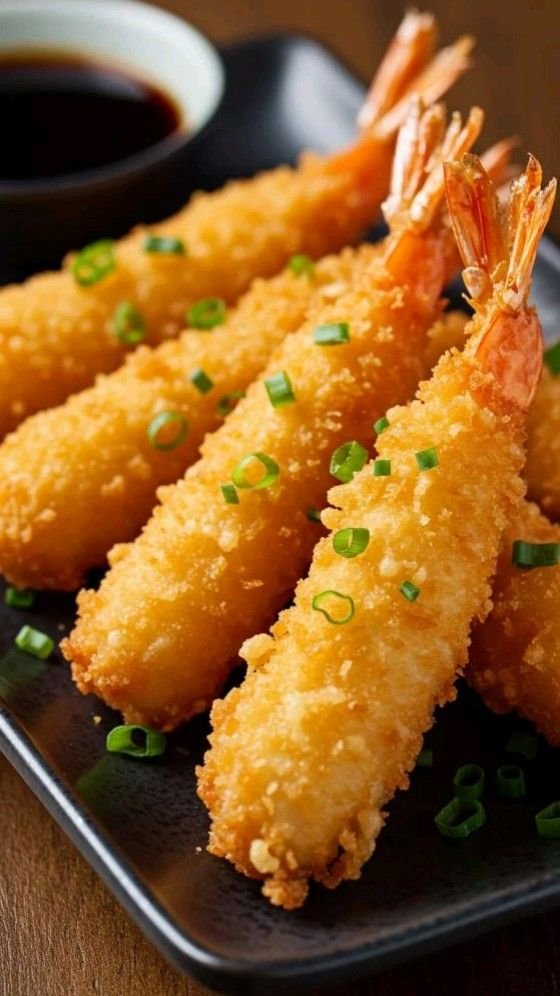
Introduction to Tempura Shrimp
Tempura shrimp is a beloved dish that showcases the artistry of Japanese cuisine. Originating in the 16th century during the Portuguese influence on Japanese culinary practices, tempura evolved into a unique and cherished style of cooking that has become synonymous with Japanese gastronomy. The term “tempura” is derived from the Latin word “tempora,” referring to the period of Lent when fried foods were traditionally consumed. This culinary method emphasizes the use of seasonal ingredients, allowing for a delightful combination of flavors and textures.
At the heart of tempura shrimp’s appeal is its signature coating, which sets it apart from other fried dishes. Unlike heavier batters used for typical frying, tempura features a light and airy batter made primarily of cold water, flour, and sometimes a bit of cornstarch. This unique approach results in a crisp, delicately fried exterior that enhances the shrimp’s natural sweetness, offering a harmonious balance of taste. The use of ice-cold water is crucial, as it slows down gluten formation in the flour, ensuring that the batter remains light and flaky.
The popularity of tempura shrimp extends beyond Japan, captivating food enthusiasts around the globe. Its versatility allows for a variety of dipping sauces, such as tentsuyu, a soy-based sauce complemented by mirin and dashi. This dish not only exemplifies the emphasis on freshness and quality inherent in Japanese cooking but also reflects a broader cultural appreciation for aesthetics in food presentation. As tempura has evolved, many variations have emerged, incorporating different seafood and vegetables, all of which celebrate the essential principles of tempura artistry.
In summary, tempura shrimp represents a fusion of historical influences and culinary innovation, establishing itself as a cornerstone of Japanese dining with its light batter and exquisite flavor profile.
Ingredients Needed for Tempura Shrimp
To prepare authentic tempura shrimp, it is essential to select high-quality ingredients. The selection process significantly affects the final dish’s flavor and texture. Below is a comprehensive list of the necessary components to create delicious tempura shrimp at home.
The primary ingredient in this dish is, of course, shrimp. When selecting shrimp, opt for fresh or properly frozen varieties. Large shrimp, such as Gulf or tiger shrimp, work best due to their robust texture and size. Ideally, you should look for shrimp that are firm, transparent, and slightly shiny, indicating their freshness. If you prefer convenience, pre-peeled and deveined shrimp can save time.
Next, you will need tempura flour, which is specifically designed for making the batter light and crispy. While authentic tempura flour can be purchased at Asian grocery stores, you can also create your own mixture at home. Combining equal parts of all-purpose flour and cornstarch can yield satisfactory results. The cornstarch contributes to the batter’s crispiness, resulting in an ideal crispy coating.
In addition to flour, a few other key ingredients enhance the batter’s flavor. Baking soda can be added to the mixture to give the batter a lighter texture, while a pinch of salt helps to balance the flavors. For the tempura batter, you will also need ice-cold water, which aids in achieving the desired crunchiness. Mixing the water with the dry ingredients quickly and minimally is crucial; over-mixing can lead to a dense coating.
Finally, consider any additional spices or seasonings to customize your tempura shrimp. While traditional tempura is typically enjoyed in its purity, experimenting with spices like paprika or white pepper can enhance the flavor profile. Some recipes also suggest including a dash of sesame oil for added depth.
Using high-quality ingredients is vital in preparing tempura shrimp that is both flavorful and visually appealing. Following these guidelines will ensure a delicious dish that meets authentic Japanese standards in your kitchen.
Step-by-Step Cooking Instructions
To prepare delicious homemade Japanese tempura shrimp in just 30 minutes, follow these detailed instructions to guide you through the cooking process. The first step is to select and prepare the shrimp. Choose large, fresh shrimp, preferably with shells intact. Begin by deveining the shrimp, then gently peeling them, leaving the tails intact for a visually appealing presentation. Rinse the shrimp under cold water and pat them dry with paper towels to remove any excess moisture, as this will help in achieving a crispier finish.
Next, it’s time to create the perfect tempura batter. Combine equal parts of all-purpose flour and cornstarch in a bowl. For added flavor, consider mixing some baking powder into the dry ingredients. Gradually add ice-cold water to the mixture while stirring lightly. Aim for a slightly lumpy consistency, which is essential for that signature tempura crunch. Avoid overmixing, as this can lead to a dense texture rather than a light and crispy one.
Once the batter is ready, heat vegetable oil in a deep frying pan or pot to about 330°F (165°C). The choice of oil is crucial; neutral oils such as canola or grapeseed work best for frying tempura shrimp. To ensure the oil is at the right temperature, drop a small amount of the batter into the oil. If it sizzles and rises to the surface, you are ready to start frying.
Carefully dip each shrimp into the batter, making sure it is evenly coated. Gently lower the battered shrimp into the hot oil, frying them in small batches to avoid overcrowding. This will help maintain the oil temperature and allow the shrimp to fry evenly. Cook for approximately 2-3 minutes or until they turn golden brown. After frying, place the tempura shrimp on paper towels to drain any excess oil, which will help in keeping them crispy.
With careful attention to preparation and frying techniques, you can avoid common pitfalls and achieve perfectly crispy tempura shrimp. By following these step-by-step instructions, your dish is sure to impress with its delightful crunch and flavor.
Serving Suggestions and Dipping Sauces
Once you have prepared your homemade Japanese tempura shrimp, the next step is to consider how to elevate the dish through thoughtful serving suggestions and suitable accompaniments. Tempura shrimp can serve as a standout dish for a family dinner or a special occasion when presented with care.
One classic way to serve tempura shrimp is alongside a bowl of steaming white rice. The mild, fluffy texture of the rice complements the light and crispy nature of the tempura perfectly. For an added dimension of flavor, consider garnishing the rice with furikake, a Japanese seasoning made of dried fish, seaweed, and sesame seeds.
In addition to rice, a vibrant green salad can provide a refreshing contrast to the richness of the tempura. A simple mix of mixed greens and shredded cabbage drizzled with a light sesame dressing can enhance the overall dining experience. Incorporating fresh ingredients not only adds color to the plate but also balances the meal with essential nutrients.
For dipping sauces, the traditional tentsuyu sauce is a must. This sauce is made from a mixture of dashi (broth), soy sauce, and mirin, which creates a savory and umami-rich flavor that pairs wonderfully with the shrimp. You may also add grated daikon radish for a touch of sweetness and tanginess. Alternatively, consider serving a spicy mayo or a citrusy ponzu sauce for those who enjoy a bit of heat or brightness in their meal.
When presenting the dish, consider arranging the tempura shrimp in a spiral pattern on a large serving platter. Adding thinly sliced lemon or lime on the side can enhance the freshness of the dish. Fresh herbs like shiso or cilantro can also be used as a garnish to add visual appeal and an aromatic touch.
Overall, thoughtful accompaniments and dipping sauces can transform your tempura shrimp into an impressive and delightful meal, perfect for any occasion.