
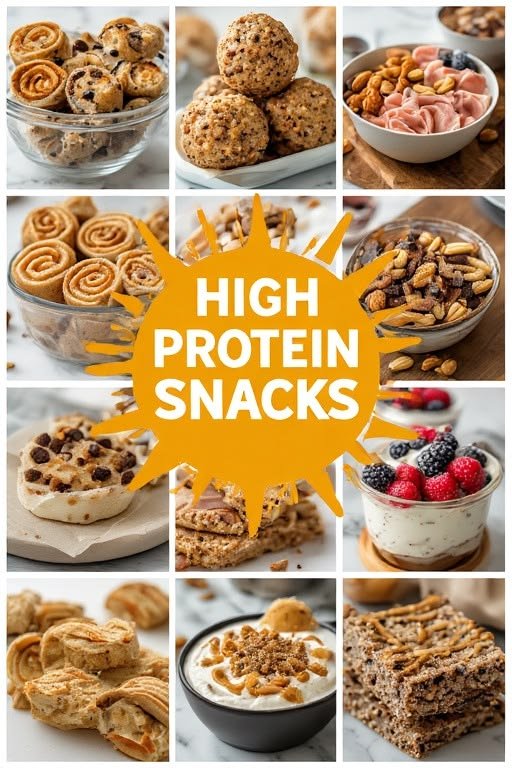
The Importance of Protein in Your Diet
Protein is an essential macronutrient that plays a crucial role in maintaining overall health and well-being. It serves as a building block for muscles, skin, enzymes, and hormones. Ensuring adequate protein intake is particularly important for various aspects of our daily lives, including energy levels and muscle recovery. Athletes and non-athletes alike can benefit from a diet rich in protein.
Thank you for reading this post, don't forget to subscribe!For individuals engaging in regular physical activity, protein becomes even more vital. During exercise, muscle fibers experience tiny tears, and protein helps repair and rebuild these fibers, promoting muscle growth and recovery. Studies suggest that athletes who consume sufficient protein tend to exhibit better performance, enhanced muscle mass, and quicker recovery times. However, protein is not solely necessary for those who regularly exercise; it is equally important for everyday individuals. It aids in sustaining energy levels throughout the day, prevents fatigue, and supports overall muscle maintenance.
There are numerous sources of protein available, both animal-based and plant-based. Animal sources include fish, poultry, beef, eggs, and dairy products, while plant-based options encompass legumes, nuts, seeds, and whole grains. Incorporating a variety of these sources into your diet can ensure that you meet your protein needs effectively. Moreover, protein-packed snacks not only provide immediate energy boosts but also help regulate appetite, potentially reducing the likelihood of unhealthy snacking.
Incorporating protein-rich snacks into your daily routine is a strategic move to maintain consistent energy levels. Whether you opt for a Greek yogurt parfait, nut butter on whole grain toast, or a homemade protein bar, these snacks empower you to power through your day, sustaining energy and promoting optimal health.
Creative Protein-Packed Snack Ideas
Snacking does not have to be a guilty pleasure; it can be an excellent opportunity to incorporate more protein into your diet while satisfying your hunger. Here are some creative protein-packed snack recipes that are easy to prepare and delicious to eat.
1. Homemade Protein Bars: These bars are customizable and can cater to various flavor preferences. To make them, combine 1 cup of rolled oats, 1/2 cup of nut butter, 1/4 cup of honey, and 1/2 cup of protein powder in a bowl. Mix until well blended, then press into a lined baking dish and refrigerate for at least an hour. Cut them into bars and enjoy a convenient source of protein on the go.
2. Greek Yogurt Parfaits: Layering Greek yogurt with your favorite fruits and nuts creates a wholesome snack. Use a cup of Greek yogurt as a base, add layers of fresh berries, and sprinkle a tablespoon of granola or chopped nuts on top. This snack is not only tasty but also offers a healthy dose of probiotics and antioxidants.
3. Savory Chickpea Bites: Chickpeas are an excellent source of protein and fiber. To make these bites, blend one can of drained chickpeas with garlic, spices, and a tablespoon of olive oil until smooth. Shape into small balls and bake them at 400°F (200°C) for 20-25 minutes. These crunchy snacks are perfect for dipping in hummus or salsa.
4. Protein Smoothies: Smoothies are a versatile option for a quick protein boost. Combine one scoop of protein powder with a banana, a cup of spinach, and a cup of almond milk in a blender. This nutrient-dense drink can be enjoyed post-workout or as a quick breakfast.
5. Edamame with Sea Salt: Steamed edamame pods make for an easy snack that is both filling and flavorful. Simply steam a cup of edamame and sprinkle lightly with sea salt. This snack is rich in protein and fiber, making it ideal for keeping your energy levels stable.
Incorporating these protein-packed snack ideas into your daily routine can help promote energy and satiety, making your fight against cravings more manageable. By selecting healthy and nutritious snacks, you can ensure that your snacking habits contribute positively to your overall health.
Tips for Meal Prepping Protein Snacks
Meal prepping is an effective strategy for individuals looking to maintain an energy-boosting diet while managing a busy lifestyle. To ensure that you have a selection of protein-packed snacks readily available, it is essential to follow specific guidelines that enhance convenience and maintain flavor. One of the first steps in meal prepping is determining appropriate portion sizes. Snacks should be measured in a way that balances protein intake without leading to excessive caloric consumption. Generally, 10-15 grams of protein per snack is an ideal target for maintaining energy levels.
Another critical aspect is understanding the shelf-life of the snacks you prepare. Many protein snacks, such as homemade protein bars or energy bites, can last in the refrigerator for about one week. For longer shelf-life options, consider vacuum-sealing or freezing snacks in portion-sized bags. This not only retains freshness but also allows you to plan snacks weeks ahead. Additionally, be mindful of quick-to-spoil ingredients, such as dairy or fruit, and incorporate them at the beginning of your meal prep cycle.
When it comes to packaging, select containers or bags that are both practical and visually appealing. Using clear containers can help you easily identify the contents, encouraging you to reach for nutritious options. Furthermore, consider varying the types of protein snacks you prepare to prevent monotony. Incorporate a mix of items such as roasted chickpeas, protein cookies, nut butter packets, or yogurt parfaits. This variety will not only keep your palate satisfied but also provide you with different nutritional benefits throughout the week.
In essence, meticulous planning, understanding shelf-life constraints, and incorporating variety are pivotal strategies for meal prepping protein-packed snacks. Implementing these tips helps ensure that you will always have healthy snack options close at hand, making it easier to stay energized and focused.
Integrating Protein Snacks into Your Diet
Protein snacks serve as an excellent addition to a balanced diet, especially for those seeking to enhance energy levels and overall health. These snacks can be strategically consumed during specific times throughout the day to maximize their benefits. For instance, having a protein-rich snack mid-morning or mid-afternoon can help stave off hunger and prevent energy dips, allowing you to maintain productivity and focus.
Incorporating protein snacks into your regimen is also particularly beneficial for individuals aiming to achieve fitness goals. Whether you are looking to build muscle, lose weight, or improve athletic performance, these snacks provide the essential nutrients required for muscle repair and recovery. Consuming a protein snack after a workout can aid in replenishing energy levels while facilitating muscle growth, thereby aligning your dietary habits with your physical training routines.
Moreover, protein snacks can complement your meals effectively without overwhelming your caloric intake. For instance, incorporating a handful of nuts or a protein bar in between meals can sustain energy levels and reduce the likelihood of overeating during regular meals. This balance is crucial in preventing the potential adverse effects of excessive calorie consumption while ensuring adequate nutrition.
There are also several misconceptions surrounding protein intake that should be addressed. A common belief is that high protein consumption automatically leads to weight gain. However, when consumed in moderation and in conjunction with a balanced diet, protein can be a valuable ally in weight management. It is important to focus on the overall quality and balance of your diet rather than fixating solely on protein content. By understanding how to effectively incorporate protein snacks, individuals can not only enhance their energy levels but also support their long-term health goals.