
Streamlining Nutrition: Quick and Healthy Meals
For individuals juggling busy schedules, maintaining a nutritious diet can be a challenge. However, with thoughtful planning and preparation, it is possible to eat healthily without dedicating an excessive amount of time to meal preparation. One effective strategy is meal planning. Taking just a bit of time each week to plan meals can streamline grocery shopping and cooking, reducing stress during busy weekdays.
Thank you for reading this post, don't forget to subscribe!Batch cooking is another valuable method that allows for the preparation of multiple meals in one session. By cooking in larger quantities and storing individual portions in the refrigerator or freezer, it becomes easy to reheat nutritious meals at any time during the week. Allocate a few hours on weekends for batch cooking; this can include soups, stews, whole grains, and protein sources such as chicken or legumes. Additionally, incorporating a variety of fruits and vegetables ensures a balanced intake of nutrients.
Keeping healthy snacks available is crucial for those with hectic lifestyles. Stocking your pantry or refrigerator with easy-to-grab options can deter reaching for processed snacks or fast food. Consider nuts, yogurt, cut vegetables, or whole-grain crackers as smart choices. These snacks are convenient and provide energy without derailing dietary goals.
For quick meal prep, kitchen gadgets can be indispensable. Tools such as a slow cooker, pressure cooker, or air fryer can significantly reduce cooking time while producing healthy meals. For example, a pressure cooker can transform dried beans into a healthy protein source in under an hour, while an air fryer can create crispy vegetables with far less oil than traditional frying methods.
There are numerous easy and balanced recipes that can be prepared in 30 minutes or less, such as stir-fries, salads with pre-cooked proteins, and quick grain bowls. By utilizing these methods and tools, maintaining nutritional health becomes an achievable goal, even amidst the busiest of schedules.
Efficient Exercise Strategies for a Packed Calendar
Incorporating physical activity into a busy lifestyle can be challenging, yet it is crucial for maintaining overall health and well-being. One of the most effective methods to achieve fitness goals within a constrained schedule is to adopt the concept of high-intensity interval training (HIIT). This form of exercise involves short bursts of intense activity followed by brief recovery periods, allowing individuals to maximize calorie burn and improve cardiovascular fitness in less time than traditional workout routines.
HIIT workouts can be performed in various formats, typically ranging from 15 to 30 minutes. This allows for flexibility, making it easier to fit them into a tight timeline. By dedicating even a small portion of the day to these workouts, busy individuals can experience significant health benefits, including improved endurance and increased metabolic rates.
To seamlessly incorporate physical activity into daily routines, one can utilize several strategies designed to
Mindfulness and Stress Management Techniques
Maintaining a healthy lifestyle extends beyond physical well-being; it greatly encompasses mental health as well. For individuals managing busy schedules, integrating mindfulness practices into daily routines can significantly enhance overall quality of life. One effective technique is meditation, which encourages a focus on the present moment, helping to reduce anxiety and stress. Even a few minutes of daily meditation can foster a sense of calm that prepares one to tackle the challenges ahead.
In addition to meditation, deep breathing exercises offer a simple yet powerful way to manage stress. Engaging in deep, controlled breaths, particularly during high-pressure moments, helps in lowering heart rate and promoting relaxation. This technique can be easily implemented during breaks at work or at home, providing a quick reset to enhance mental clarity.
Another important aspect of coping with the stresses associated with a busy lifestyle is scheduling regular breaks. Allocating specific times during the day to step away from work or other obligations allows for mental rejuvenation, which is essential in preventing burnout. Utilize these breaks for brief walks, mindfulness exercises, or simply to enjoy a moment of silence.
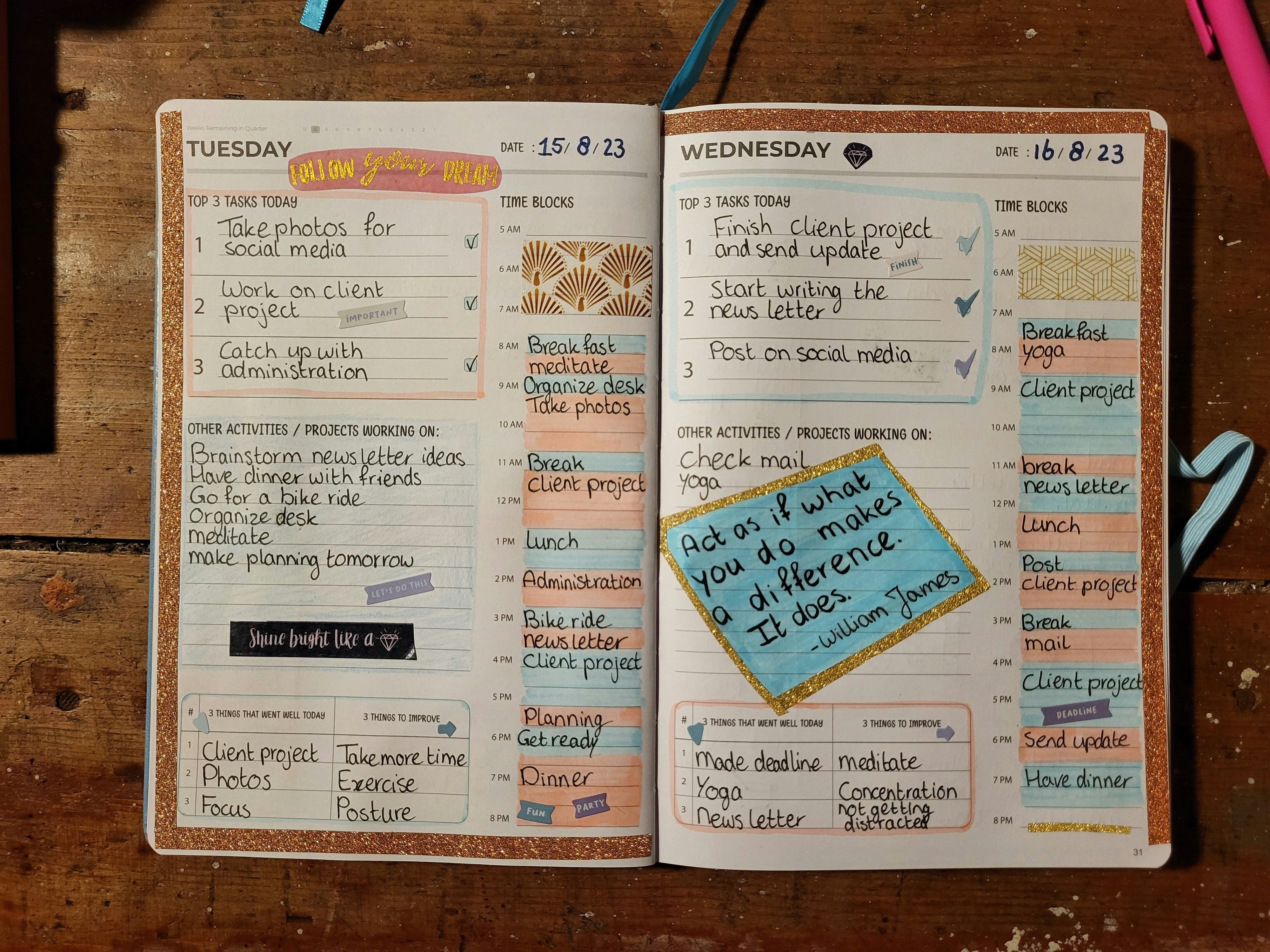
Time management is also paramount when navigating a packed schedule. Prioritizing tasks and setting realistic deadlines can alleviate the overwhelming feelings often associated with tight timelines. Techniques such as the Pomodoro Technique encourage individuals to work in focused bursts followed by short breaks, enhancing productivity while preventing exhaustion. Setting boundaries, such as saying no to additional responsibilities when overwhelmed, is crucial in maintaining a mental balance.
Implementing these mindfulness and stress management techniques into daily life not only promotes mental clarity but can also lead to improved physical health. By addressing stress proactively and establishing a mindful routine, individuals can significantly boost their overall well-being.
Creating a Supportive Environment for Healthy Habits
Creating a supportive environment is crucial for fostering healthy habits, particularly for individuals with busy schedules. An organized and intentional physical space can significantly influence one’s ability to make healthier choices. For instance, decluttering both home and workspace can lead to improved mental clarity and reduced stress, fostering a mindset more conducive to adopting health-oriented practices. A tidy environment allows for better focus and promotes efficiency, making it easier to prepare healthier meals or maintain an active lifestyle.
In addition to physical organization, it is essential to structure spaces to encourage healthy decisions. Placing fruits and vegetables in visible and easily accessible locations within the kitchen can motivate individuals to choose these nutritious options over less healthy snacks. Similarly, creating designated areas for exercise, such as a small home gym or a quiet corner for yoga, can serve as reminders to incorporate more activity into one’s day. When the environment is equipped to facilitate healthy choices, making those choices becomes significantly easier.
Equally important is the role of social support in fostering a health-oriented environment. Surrounding oneself with individuals who share similar health goals can provide motivation and accountability. Engaging with a community, whether through fitness classes, support groups, or online forums, can offer encouragement and shared experiences that enhance one’s commitment to healthy living. This type of collective engagement not only reinforces individual goals but also cultivates a sense of belonging and mutual support. When individuals feel backed by a community, they are more likely to persevere in their pursuit of health, despite a busy lifestyle.
In conclusion, creating a supportive environment at home and work is essential for maintaining healthy habits, especially amidst the challenges of a busy schedule. By decluttering spaces, organizing environments to encourage positive choices, and surrounding oneself with supportive individuals, one can foster a lifestyle that prioritizes health and well-being.

