
Understanding Bone Health
Bone health is a crucial aspect of overall well-being, serving as the framework for the human body. Bones are dynamic tissues that undergo continuous remodeling through a process involving the resorption of old bone and the formation of new bone. This equilibrium is essential for maintaining the appropriate strength and density of bones throughout one’s life.
During childhood and adolescence, bones develop rapidly, reaching peak bone mass by the late twenties. Factors affecting bone development include genetics, nutrition, physical activity, and hormonal balance. Adequate intake of vital nutrients such as calcium and vitamin D during these formative years is critical; these elements contribute significantly to fostering strong bone health.
As individuals age, the rate of bone resorption can outpace that of bone formation, leading to a decrease in bone density. This decline heightens the risk of developing osteoporosis, a condition characterized by fragile bones and an increased susceptibility to fractures. Osteoporosis presents a significant health concern, particularly among older adults, as it may result from a combination of genetic predisposition, lifestyle factors, and nutritional deficiencies. Moreover, low levels of physical activity can exacerbate the decline in bone strength.
Protecting bone health involves fostering healthy habits early in life and maintaining them throughout adulthood. Engaging in weight-bearing exercises, consuming a balanced diet rich in calcium and vitamin D, and avoiding excessive intake of substances that can adversely affect bones, such as alcohol and tobacco, are critical strategies. By understanding the various factors that influence bone health and taking proactive steps, individuals can help ensure the strength and resilience of their bones, reducing the likelihood of complications associated with poor bone health.
Key Nutrients for Bone Strength
Bone health is crucial for maintaining an active lifestyle, and several nutrients work synergistically to ensure the strength and integrity of our bones. The backbone of strong bones lies in a well-rounded nutritional profile, particularly focusing on calcium, vitamin D, phosphorus, magnesium, and vitamin K. These nutrients not only assist in building bone density but also play vital roles in promoting overall skeletal health.
Calcium is perhaps the most well-known nutrient when it comes to bone health; it forms the primary structural element of bones. Adults are generally recommended to consume around 1,000 mg of calcium per day, increasing to 1,200 mg for women over 50 and men over 70. Dairy products, leafy green vegetables, and fortified foods are excellent sources of calcium. It is important to ensure adequate calcium intake to mitigate the risks of osteoporosis and fractures.
Vitamin D enhances calcium absorption in the body, thereby playing a crucial role in bone mineralization. The recommended daily intake for adults is 600 to 800 IU, which can be obtained through sun exposure, fatty fish, and fortified foods. Without sufficient vitamin D, calcium is ineffective in its function of strengthening bones.
Phosphorus, another essential mineral, works in concert with calcium to form hydroxyapatite, the mineral complex that provides bones their rigidity. The adequate intake for adults is about 700 mg per day, and it can be found in foods like meat, dairy, and nuts.
Alongside calcium and phosphorus, magnesium is vital for bone structure and aids in the conversion of vitamin D into its active form. The recommended daily allowance for magnesium is approximately 310 to 420 mg, predominantly found in whole grains, legumes, and green leafy vegetables.
Lastly, vitamin K supports calcium binding in bones and contributes to bone density. The suggested intake is about 90 to 120 mcg daily, available from green vegetables, such as spinach and kale. By incorporating these key nutrients into a balanced diet, individuals can greatly enhance their bone health and reduce the risk of age-related bone loss.
Top Foods for Strong Bones
Maintaining strong bones is essential for overall health, particularly as we age. A variety of foods contribute to bone health by providing essential nutrients such as calcium, vitamin D, magnesium, and phosphorus. Understanding which foods are particularly beneficial can help individuals make informed dietary choices to strengthen their bones.
Dairy products are often celebrated for their high calcium content, which is vital for bone development and maintenance. Milk, yogurt, and cheese not only supply calcium but also contain protein and vitamin D, which together enhance calcium absorption. Incorporating low-fat milk or yogurt into meals is an excellent strategy for boosting bone health.
Leafy greens such as kale, collard greens, and broccoli are rich in calcium and vitamin K, both of which play critical roles in bone formation. Vitamin K is known to help in the regulation of calcium in the bones, reducing the risk of fractures. Regularly consuming salads with mixed greens can significantly improve nutrient intake.
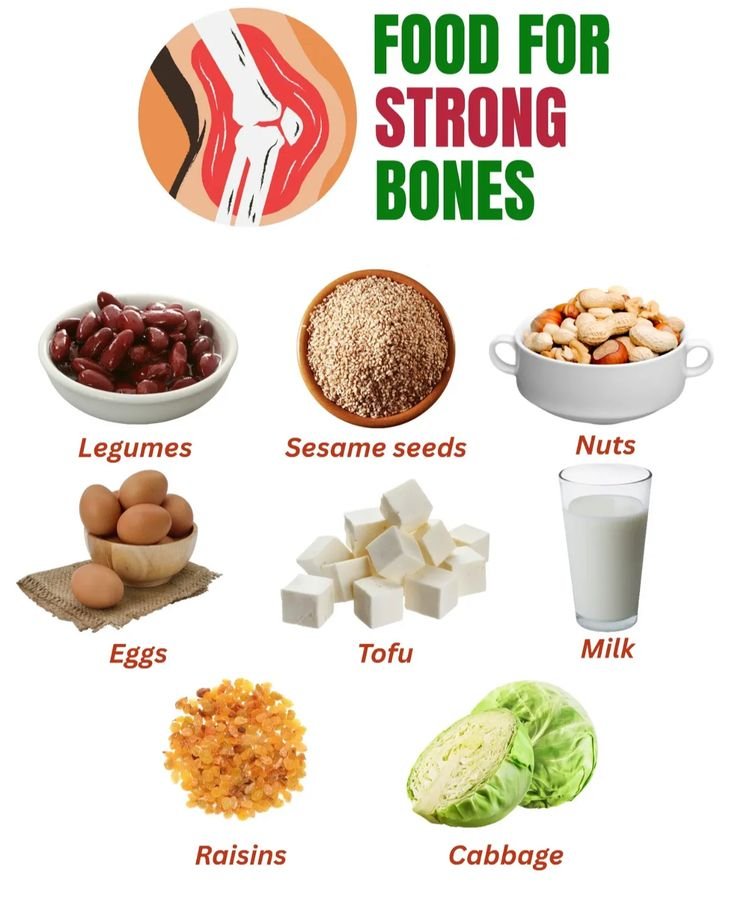
Nuts and seeds are also beneficial for maintaining bone strength. Almonds, walnuts, and sesame seeds are excellent sources of magnesium and calcium, which are essential for optimal bone density. Snacking on a handful of nuts or adding seeds to cereals and salads can enhance overall nutritional value.
Fish like salmon and sardines provide not only calcium but also vitamin D, which is crucial for calcium absorption in the body. These fatty fish can be enjoyed in various dishes, making them a tasty and nutritious choice for bone health. Additionally, oily fish are beneficial for overall joint health due to their omega-3 fatty acids.
Lastly, fortified foods such as orange juice and cereals can also contribute to bone health. Many of these products have been enriched with calcium and vitamin D, making them easier for individuals to meet their daily nutritional requirements. Including these fortified options in your diet can provide necessary support for maintaining strong bones.
Incorporating Bone-Supporting Foods into Your Diet
Incorporating foods that support bone health into your daily meals can be both enjoyable and beneficial. A balanced diet rich in essential nutrients is crucial for the maintenance and enhancement of bone density. To begin, consider making a meal plan that includes a variety of foods known for their positive effects on bone strength.
Start by including dairy products such as milk, yogurt, and cheese, which are excellent sources of calcium, a key player in bone health. For those who are lactose intolerant or prefer non-dairy options, fortified plant-based alternatives like almond or soy milk can effectively provide calcium. Additionally, leafy green vegetables like kale, spinach, and broccoli are not only rich in calcium but also boast other vital nutrients such as vitamin K, which aids in bone metabolism.
Fish such as salmon and sardines, which contain omega-3 fatty acids, are also beneficial as they help improve mineralization in the bone. Incorporating these fish into your meals twice a week can foster overall bone health. For increased vitamin D levels, which are indispensable for calcium absorption, consider including fortified foods or engaging in sunlight exposure, complemented by foods rich in vitamin D, such as egg yolks and mushrooms.
Simple recipes can serve as a great foundation to your meal planning. For instance, consider a spinach and feta omelet for breakfast, or a salmon salad topped with mixed greens for lunch. Snacks can also be nutritious; try pairing hummus with vegetable sticks or nuts for a calcium-rich boost. Furthermore, strategies such as batch cooking and prepping meals ahead of time can help ensure that bone-supporting foods are readily available throughout the week.
Lastly, elevate your meals by integrating herbs and spices that contain calcium and other bone-benefiting compounds. Through thoughtful planning and mindful eating, one can effectively incorporate a variety of bone-supporting foods into their diet for optimal bone health.