
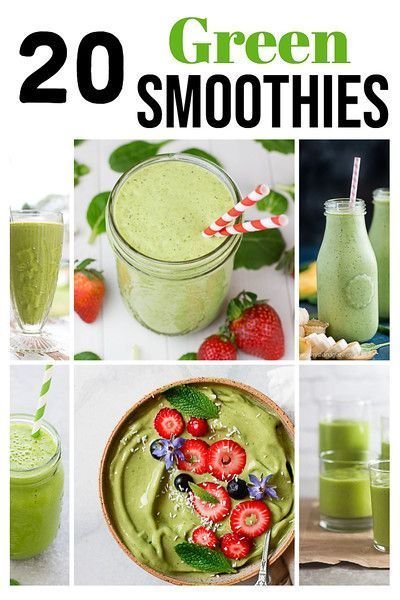
Introduction to Green Smoothies
Green smoothies have become a popular choice among health enthusiasts and those seeking to enhance their overall wellness. Typically composed of leafy greens, fruits, and additional nutrient-dense ingredients, these smoothies offer a convenient way to consume a concentrated source of vitamins, minerals, and antioxidants. The vibrant green color is indicative of the myriad health benefits they contain, which contribute to improved energy levels and support various bodily functions.
The blending process that characterizes green smoothies allows for the inclusion of numerous ingredients that may otherwise be challenging to consume in whole form. For instance, greens such as spinach and kale are known for their high levels of vitamins A, C, and K, as well as folate and fiber. When incorporated into a refreshing smoothie, these ingredients can be more palatable, encouraging individuals to include them as part of their daily diet.
Furthermore, the growing awareness of the significance of plant-based diets has contributed to an increase in the popularity of green smoothies. As more people seek to adopt healthier lifestyles, these nutrient-rich blends stand out as a simple yet effective means of obtaining necessary nutrients. In addition to their health benefits, green smoothies offer versatility, allowing for endless combinations of flavors and textures to suit individual preferences.
Health and wellness circles frequently tout green smoothies for their ability to improve digestion, boost immunity, and promote skin health. The seamless blending of fruits and vegetables creates a drink that is not only nourishing but also enjoyable. As a result, many individuals are turning to green smoothies as a sustainable dietary choice to enhance their overall well-being.
Key Ingredients for Nutrient-Packed Smoothies
Crafting nutrient-packed green smoothies begins with the selection of essential ingredients that contribute both flavor and health benefits. The foundation of any smoothie typically includes leafy greens, which are rich in vitamins, minerals, and antioxidants. Common choices include spinach, kale, and Swiss chard. Spinach, for example, is particularly high in iron and calcium, while kale offers an abundance of vitamins A, C, and K.
Fruits play a significant role in enhancing the taste and nutritional profile of smoothies. Bananas are often favored for their creamy texture and natural sweetness, while berries, such as blueberries and strawberries, provide a vibrant color along with high levels of antioxidants. Other fruits like mangoes and pineapples not only add a tropical flair but also come loaded with vitamins and fibers that promote digestion.
In addition to greens and fruits, incorporating healthy fats is essential for a balanced smoothie. Ingredients such as avocados or nut butters offer a creamy texture along with heart-healthy fats, which aid in the absorption of fat-soluble vitamins from greens and fruits.
Seeds and grains can also enhance the nutrient density of smoothies. Chia seeds and flaxseeds are excellent sources of omega-3 fatty acids, fiber, and protein. They can help maintain optimal digestion and can contribute to a feeling of fullness. Similarly, rolled oats can provide added bulk and texture, along with carbohydrates for energy.
To amplify the nutritional content further, many people include superfoods such as spirulina, matcha powder, or protein powders. Spirulina is a blue-green algae known for its high protein content, while matcha provides a unique combination of vitamins and antioxidants that support metabolic health. Meanwhile, a scoop of protein powder can ensure sufficient protein intake, particularly in plant-based diets.
In summary, the combination of leafy greens, vibrant fruits, healthy fats, seeds, and superfood boosters creates a versatile and nutrient-rich smoothie. The blend not only supports overall health but also caters to a spectrum of flavor preferences, making it easier to include nutrient-dense options in daily meals.
20 Delicious Green Smoothie Recipes
Green smoothies are an excellent way to incorporate nutrient-dense ingredients into your daily diet. Below is a list of 20 unique green smoothie recipes, each crafted to suit various taste preferences and dietary needs.
1. Spinach Banana Smoothie: Blend 1 cup of fresh spinach, 1 banana, 1 cup of almond milk, and a tablespoon of almond butter for a creamy delight.
2. Kale Pineapple Delight: Combine 1 cup of kale, 1 cup of pineapple, juice of half a lime, and 1 cup of coconut water for a refreshing tropical burst.
3. Avocado Mint Smoothie: Use 1 ripe avocado, 1 banana, a handful of mint leaves, and 1 cup of yogurt for a smooth and creamy texture.
4. Green Apple Celery Blend: Mix 1 green apple, 2 stalks of celery, 1 cup of spinach, and 1 tablespoon of chia seeds for a fiber-packed drink.
5. Cucumber Basil Smoothie: Blend 1 cucumber, a handful of basil, 1 cup of yogurt, and 1 tablespoon of honey for a refreshing summer treat.
6. Pear and Spinach Fusion: Combine 1 pear, 1 cup of spinach, 1 tablespoon of flaxseed, and 1 cup of water for a light and tasty option.
7. Mango Kale Protein Shake: Mix 1 cup of kale, 1 cup of mango, 1 scoop of protein powder, and 1 cup of oat milk for a post-workout boost.
8. Carrot Ginger Green Smoothie: Blend 1 cup of carrots, a small piece of ginger, 1 cup of spinach, and 1 cup of orange juice for a zesty flavor profile.
9. Blueberry Chia Blend: Combine 1 cup of blueberries, 1 banana, 1 tablespoon of chia seeds, and 1 cup of milk for a nutrient-rich option.
10. Kiwi Spinach Smoothie: Use 2 kiwis, 1 cup of spinach, a splash of lemon juice, and 1 cup of water, resulting in a tangy treat.
11. Nutty Green Smoothie: Blend 1 tablespoon of peanut butter, 1 banana, 1 cup of kale, and 1 cup of oat milk for an energy booster.
12. Tropical Spinach Smoothie: Combine 1 cup of spinach, 1 cup of mango, 1 banana, and coconut water for a nutrient-dense tropical mix.
13. Almond Joy Green Smoothie: Blend 1 banana, 1 tablespoon of almond butter, 1 cup of spinach, and 1 cup of almond milk for a dessert-inspired smoothie.
14. Berry Spinach Blast: Use 1 cup of mixed berries, 1 banana, 1 cup of spinach, and 1 cup of coconut milk for a berry-filled delight.
15. Orange Greens Smoothie: Mix 1 cup of kale, juice of 2 oranges, and a piece of banana for a refreshing citrus green drink.
16. Herbal Detox Smoothie: Combine 1 cup of spinach, 1 cucumber, a handful of parsley, and 1 cup of water for a cleansing blend.
17. Chocolate Avocado Smoothie: Blend 1 ripe avocado, 1 banana, 1 tablespoon of cocoa powder, and 1 cup of almond milk for a dessert-like treat.
18. Savory Spinach Smoothie: Use 1 cup of spinach, 1 tomato, 1 cucumber, and a pinch of salt for a savory version of a green smoothie.
19. Fig and Kale Delight: Combine 1 cup of kale, 2 figs, a splash of apple juice, and 1 cup of water for a unique flavor.
20. Raspberry Citrus Smoothie: Mix 1 cup of raspberries, juice of 1 lemon, and 1 banana for a tangy, vitamin-rich drink.
These recipes are not just delicious; they also provide a wealth of vitamins, minerals, and antioxidants essential for overall health. Experiment with these combinations to find your favorites while embracing the health benefits that green smoothies can offer!
Tips for Making Perfect Green Smoothies
Crafting the perfect green smoothie involves not just the right ingredients but also employing the best techniques to ensure a delicious and nutrient-rich blend. Here are several practical tips that can help you enhance your smoothie-making experience.
Firstly, when it comes to blending techniques, start with the softest ingredients, typically liquids like water, coconut water, or milk, followed by soft fruits such as bananas or avocados. This layering ensures that the blades of the blender can easily reach and blend the harder components, such as leafy greens and frozen fruits. For optimal results, blend your ingredients in short bursts, increasing the speed gradually to ensure a smooth consistency.
Secondly, consider the storage of your green smoothies. If you prepare your smoothie in advance, storing it in a glass container with an airtight lid can help preserve its freshness. It’s best to consume your smoothie within 24 hours for maximum nutrient retention; however, if stored properly, a smoothie can last up to 48 hours in the refrigerator. To minimize nutrient loss due to exposure to light and air, choose opaque containers when possible.
Balancing flavors is another critical aspect of making a flavorful green smoothie. While greens such as spinach or kale are nutrient-dense, their taste can be quite strong. To counteract this, add naturally sweet ingredients like ripe bananas, apples, or mangoes, which not only enhance the flavor but also provide additional vitamins. Experimenting with herbs such as mint or ginger can introduce refreshing notes that elevate the overall taste profile.
Additionally, incorporating a variety of textures can make your green smoothies more enjoyable. Including ingredients such as chia seeds or nut butters can add creaminess and richness while also contributing to the nutritional value. Ultimately, the perfect green smoothie is a balance of nutrients, flavors, and textures that cater to individual preferences.
By applying these tips on blending techniques, storage suggestions, and flavor balancing, you can create green smoothies that are not only nutritious but also delightful to the palate.