
The Science Behind Healthy Aging
Aging is a complex biological process characterized by a gradual decline in physiological function and an increase in vulnerability to diseases. Key factors driving this process include oxidative stress, inflammation, and cellular regeneration. Understanding these mechanisms provides insight into how nutrition can influence longevity and health.
Oxidative stress is generated by an imbalance between free radicals and antioxidants in the body. Free radicals are unstable molecules that can cause cellular damage, leading to aging and a range of diseases. Antioxidants, which are found abundantly in fruits, vegetables, nuts, and seeds, help neutralize these free radicals. Consuming a diet rich in antioxidants can therefore mitigate oxidative stress and promote healthier aging.
Inflammation, though a natural immune response, can become chronic due to factors such as poor diet and sedentary lifestyle. Chronic inflammation has been linked to various age-related diseases, including cardiovascular conditions and neurodegenerative disorders. Incorporating anti-inflammatory foods, such as fatty fish, leafy greens, and whole grains, may help reduce the risks associated with chronic inflammation, thus supporting longevity.
Cellular regeneration is critical for maintaining tissue health and functionality. As we age, the ability of our cells to replicate and repair diminishes. Certain nutrients, including omega-3 fatty acids, vitamins D and E, and zinc, play crucial roles in promoting cellular repair mechanisms. Including these nutrients in one’s diet can enhance cellular functions that contribute to longevity.
In essence, adopting a nutrition-focused approach to healthy aging can significantly impact biological processes. By understanding oxidative stress, inflammation, and cellular regeneration, individuals can make informed dietary choices that promote longevity and a better quality of life.
Superfoods for Longevity
In the pursuit of a longer and healthier life, certain foods have emerged as champions, known for their potential to enhance longevity and overall well-being. These superfoods are rich in essential nutrients that support health, particularly as we age. Understanding the specific benefits of these foods can empower individuals to make informed dietary choices.
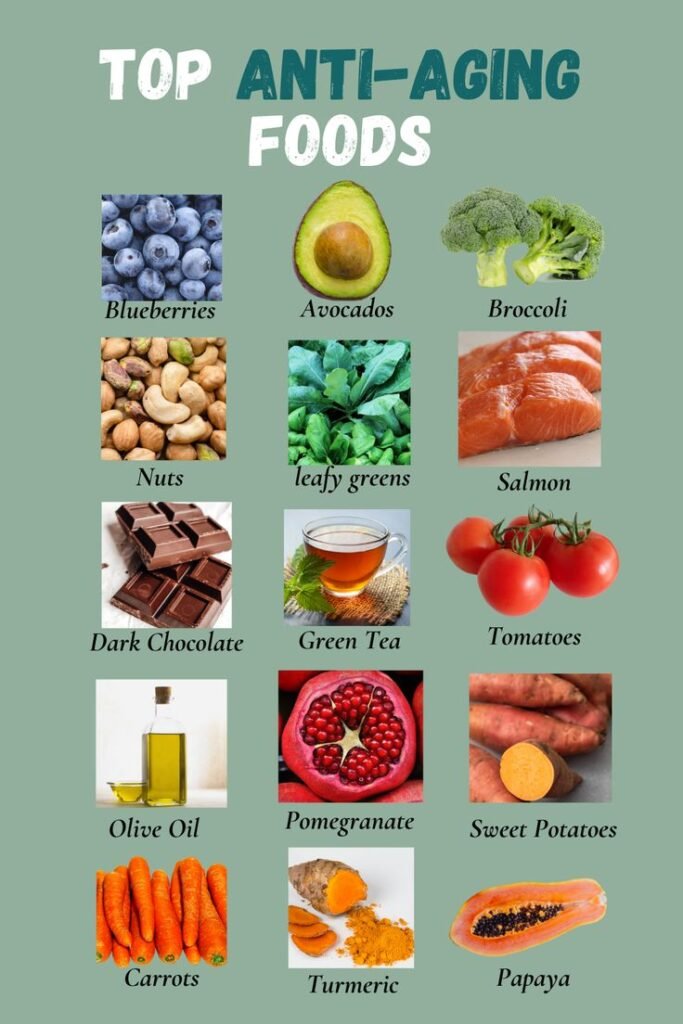
Berries, for instance, are renowned for their high levels of antioxidants, vitamins, and fiber. Blueberries, in particular, contain anthocyanins, which have been linked to improved cognitive function and reduced risk of heart disease. Their potent compounds combat oxidative stress and inflammation, both of which are significant contributors to aging and chronic disease. Incorporating a variety of berries into daily meals can be a delicious strategy for bolstering health.
Leafy greens, such as kale, spinach, and Swiss chard, are packed with vitamins A, C, K, and a range of phytonutrients. These greens are low in calories and high in fiber, promoting digestive health and satiety. Their rich nutrient profile supports bone health, enhances immune function, and helps reduce the risk of chronic diseases, making them an essential component of a longevity-focused diet.
Nuts are another crucial group of superfoods that contribute to longevity. Almonds, walnuts, and pistachios are excellent sources of healthy fats, protein, and essential minerals. Studies indicate that regular nut consumption is associated with a lower risk of heart disease and may improve longevity. The monounsaturated fats found in nuts are known to promote heart health by reducing bad cholesterol levels.
Whole grains, such as quinoa, brown rice, and oats, offer a wealth of nutrients and fiber, aiding in the maintenance of healthy weight and digestion. They are beneficial for cardiovascular health and help regulate blood sugar levels, further supporting longevity. A diet rich in whole grains is often linked with a decreased risk of mortality and chronic diseases.
Incorporating these superfoods into one’s diet can facilitate a healthier lifestyle that promotes longevity. Whether through smoothies, salads, or simple snacks, embracing the unique benefits of berries, leafy greens, nuts, and whole grains can lead to a more vibrant and healthful life as we age.
The Role of Hydration in Aging Well
Proper hydration is fundamental to maintaining health and vitality as we age. Water plays a crucial role in numerous bodily functions, including temperature regulation, digestion, and nutrient transport. As we grow older, the body’s ability to sense thirst diminishes, leading to a higher risk of dehydration. This makes it imperative for older adults to consciously monitor their fluid intake to promote overall well-being.
One of the most notable benefits of adequate hydration is its impact on skin health. The skin is the body’s largest organ, and staying hydrated can significantly improve its elasticity and appearance. Dehydrated skin tends to look more wrinkled and lifeless, so consuming sufficient fluids daily can help maintain a youthful and vibrant complexion. In addition to drinking water, incorporating hydrating foods like cucumbers and watermelon can contribute to skin moisture levels.
Cognitive function is another area where hydration plays a pivotal role. Studies have shown that even mild dehydration can affect concentration, memory, and overall mental clarity. This is particularly important for older adults, as cognitive decline is a common concern in aging populations. By ensuring proper hydration, one can support improved focus and cognitive abilities, contributing to a more active and engaged lifestyle.
Moreover, the selection of beverages is just as critical as the quantity consumed. While water should remain the primary source of hydration, herbal teas and infused water can provide appealing alternatives without added sugars or calories. Beverages like coconut water offer electrolytes, which can be beneficial after physical activity. Additionally, limiting diuretics such as caffeine and alcohol can aid in maintaining hydration levels.
In summary, hydration is an essential component in the aging process, influencing both physical and cognitive health. Strong attention to fluid intake and beverage choices can lead to significant improvements in skin vitality, cognitive function, and overall quality of life for older adults. By prioritizing hydration, individuals can pave the way for a healthier and more fulfilling aging experience.
Creating a Balanced Diet for Longevity
Designing a diet that promotes healthy aging involves careful planning and thoughtfulness in food choices. A well-balanced diet can significantly contribute to overall well-being, enhancing longevity while also maintaining quality of life. To create a sustainable dietary plan, one must focus on key principles such as macronutrient balance, meal planning, and incorporating a diverse range of foods.
Firstly, balancing macronutrients is essential for optimal health. A typical recommendation is to include ample sources of carbohydrates, proteins, and fats in every meal. Carbohydrates should primarily come from whole grains, fruits, and vegetables, providing necessary energy and fiber, which are critical for digestion and metabolic health. Proteins should include both plant-based options, like legumes and nuts, as well as lean meats or fish, which offer essential amino acids for muscle maintenance. Healthy fats, particularly those high in omega-3 and omega-6 fatty acids, found in fatty fish, flaxseeds, and avocados, play a crucial role in heart and brain health.
Meal planning is another fundamental component of nurturing a balanced diet. By planning meals ahead, it becomes easier to ensure that the necessary nutrients are consumed throughout the week. Preparing a variety of dishes that highlight seasonal fruits and vegetables will keep meals exciting and nutrient-dense. Additionally, batch cooking and using left-overs creatively can help manage time better while reducing food waste.
Incorporating a wide variety of foods into one’s diet is vital for obtaining a broad spectrum of nutrients. This includes experimenting with different cooking methods and choosing foods from various cultural cuisines which can introduce new flavors and textures. Moreover, the integration of longevity-promoting foods, such as leafy greens, berries, nuts, and whole grains, into daily meals will enhance the overall nutritional profile.
In conclusion, creating a balanced diet for longevity requires thoughtful consideration of macronutrients, strategic meal planning, and the inclusion of diverse foods. By adhering to these principles, individuals can optimize their diets to support healthy aging and improve their overall quality of life.