
Understanding the Importance of Essential Vitamins
Essential vitamins are organic compounds that play a crucial role in maintaining overall health and well-being. They are necessary for various bodily functions, including metabolism, immunity, cell repair, and the production of hormones. Vitamins are categorized into two main categories: water-soluble and fat-soluble. Water-soluble vitamins, which include vitamin C and the B vitamins, dissolve in water and tend to be excreted more rapidly from the body. This necessitates regular consumption of these vitamins through diet to maintain adequate levels. Fat-soluble vitamins, such as vitamins A, D, E, and K, dissolve in fats and can be stored in the liver and fatty tissues, which allows them to remain in the body for longer durations.
The sources of essential vitamins are varied and can be found in a range of foods. For instance, fruits and vegetables are rich in vitamin C and many B vitamins, while dairy products, leafy greens, and fortified foods often contain significant levels of vitamins A and D. Whole grains, nuts, seeds, and certain fish are also excellent sources of essential nutrients. However, dietary habits, lifestyle choices, and certain health conditions can impact vitamin intake and absorption, increasing the risk of deficiencies.
A deficiency in any essential vitamin can lead to various health issues. For example, a lack of vitamin D can result in weakened bones and increased susceptibility to fractures, while a deficiency in vitamin B12 may lead to anemia and neurological problems. Consequently, it is paramount to understand the importance of incorporating a variety of vitamin-rich foods into one’s diet, as this is fundamental in preventing deficiencies and maintaining optimal health.
Top Foods Rich in Vitamin A
Vitamin A plays a crucial role in maintaining various bodily functions, with significant benefits for eye health, immune response, and skin integrity. It is essential to include a diverse array of foods in our diets to ensure adequate intake of this vital nutrient. Two primary sources of Vitamin A exist: animal-derived foods and plant-based foods, each offering unique advantages.
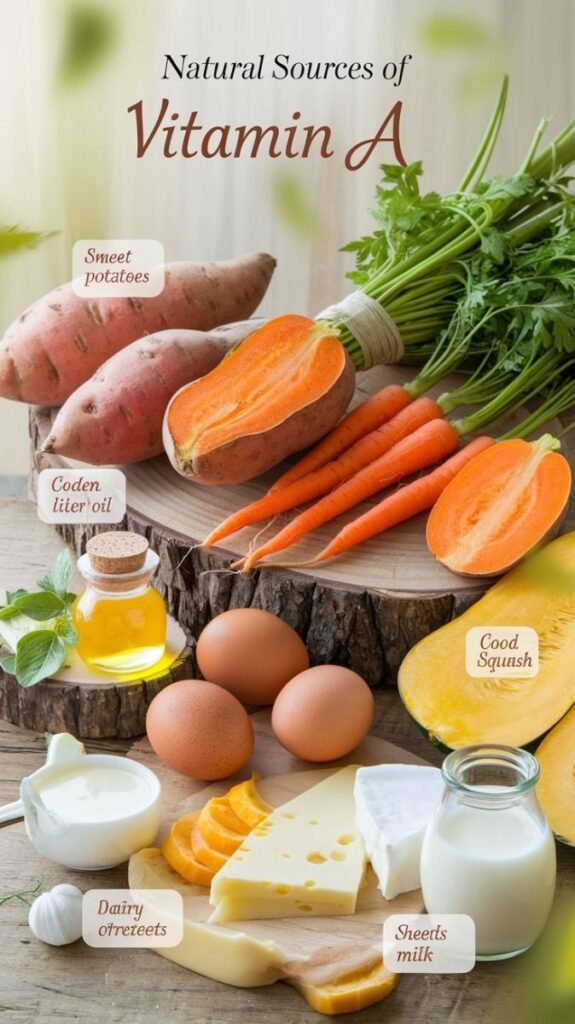
Animal sources of Vitamin A, known as preformed vitamin A, are readily utilized by the body. Liver is one of the top suppliers, particularly beef and chicken liver, which are extremely rich in concentrated levels of Vitamin A. Just a small serving can provide several times the recommended daily intake, making it an efficient choice for those looking to boost their Vitamin A levels. Additionally, dairy products such as whole milk, cheese, and yogurt also contribute significantly to Vitamin A intake, providing a creamy and nutritious option that is both versatile and delicious.
On the other hand, plant sources offer provitamin A carotenoids, which the body converts into active Vitamin A. Carrots are often the first food that comes to mind, renowned for their beta-carotene content, which gives them their vibrant orange hue. Sweet potatoes, another excellent source, provide both a sweet flavor and high levels of Vitamin A, making them a favorite in various culinary applications. Dark leafy greens, such as spinach and kale, also serve as beneficial contributors, containing carotenoids that promote overall health. Other foods like bell peppers, butternut squash, and cantaloupe round out this category, showcasing the variety of plant-based options available to enrich one’s diet.
Incorporating a balance of these foods into everyday meals can help individuals meet their Vitamin A requirements, contributing to better eye health, a robust immune system, and healthy skin. By combining both animal and plant sources, one can enjoy diverse flavors while promoting overall well-being.
Delicious Sources of B Vitamins
B vitamins play a crucial role in maintaining overall health, particularly in energy production, brain function, and the formation of red blood cells. A variety of foods can provide you with these essential nutrients, ensuring that your dietary needs are adequately met. This section highlights several excellent sources of B vitamins, such as whole grains, meats, eggs, and leafy greens.
Whole grains are among the best sources of B vitamins, particularly B1 (thiamine), B2 (riboflavin), and B3 (niacin). Foods like brown rice, oats, and whole wheat bread are enriched with these vitamins, contributing to improved metabolism and energy levels. Incorporating a variety of whole grains into your diet can aid in obtaining your daily requirement of B vitamins while promoting digestive health.
When it comes to animal products, meats are particularly rich in B6 and B12. Poultry, fish, and lean cuts of meat provide B vitamins that are vital for maintaining nerve function and ensuring optimal brain health. Egg yolks are also a nutrient-dense option, supplying riboflavin and B12, which are important for cellular processes and energy production.
Leafy greens, such as spinach, kale, and swiss chard, are wonderful plant sources of folate, also known as B9. Consuming these greens not only helps meet your folate needs but also provides an array of other nutrients and antioxidants important for overall wellness. Adding a variety of vegetables to your meals can significantly increase your intake of B vitamins and enhance your diet.
Each of these food sources can be easily incorporated into meals and snacks, contributing to a balanced and nutritious diet. By focusing on these delicious options, individuals can effectively nourish their bodies with the essential B vitamins needed for optimal health.
Vitamin C and E: Essential for Immunity and Skin Health
Vitamin C and Vitamin E are crucial antioxidants that play a significant role in supporting the immune system, promoting healthy skin, and protecting cells from oxidative stress. These vitamins are not only essential for maintaining overall health but also contribute to disease prevention through their unique properties.
Citrus fruits, such as oranges, grapefruits, and lemons, are among the best sources of Vitamin C. This vitamin is vital for the growth and repair of tissues throughout the body. It is involved in the production of collagen, which is necessary for maintaining skin elasticity and wound healing. Additionally, Vitamin C aids in the efficient functioning of the immune system by enhancing the activity of immune cells, thus helping the body fend off infections.
Moreover, bell peppers, particularly the red variety, are another excellent source of Vitamin C, offering even more vitamin content than citrus fruits. Incorporating bell peppers into meals can be an effective way to ensure adequate Vitamin C intake, vital for skin health and immune defense.
On the other hand, Vitamin E can be primarily found in nuts and seeds, such as almonds and sunflower seeds. This fat-soluble vitamin acts as a powerful antioxidant that also aids in protecting the skin from damaging free radicals generated by environmental exposure. It helps to maintain skin hydration and improves skin texture, reinforcing the skin’s natural barrier against pathogens.
Incorporating a variety of foods high in both Vitamin C and E can significantly enhance overall health. A balanced diet rich in these nutrients not only supports immune function but also contributes to radiant skin. Foods like avocados and leafy greens can further complement this nutritional profile, providing an array of vitamins and minerals essential for maintaining vibrant health.