
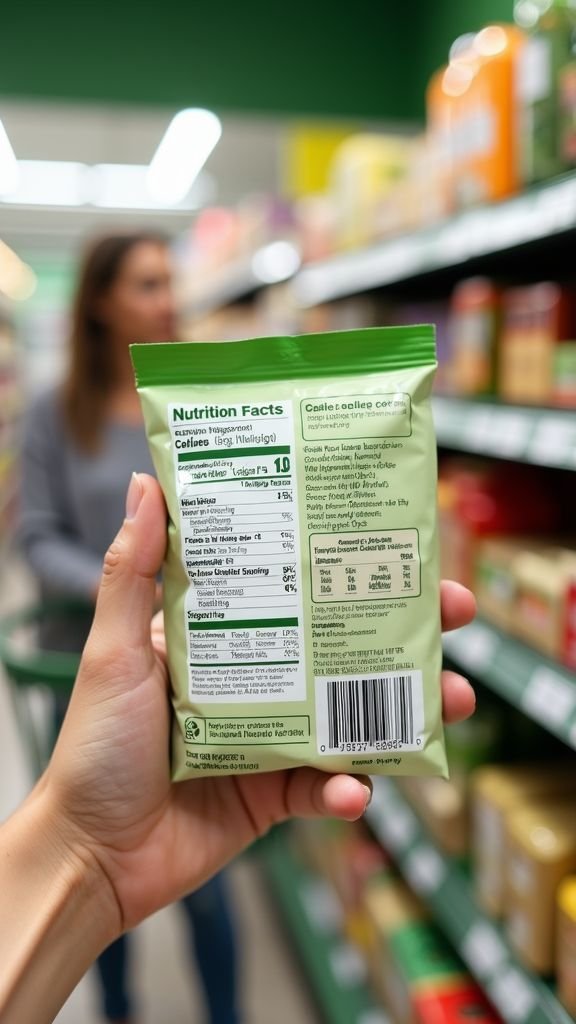
Understanding the Layout of Nutrition Labels
Nutrition labels are an essential tool for making informed dietary choices. They provide consumers with critical information regarding the nutritional content of food products. A standard nutrition label is structured systematically to ensure easy reading. The first thing to note is the serving size, which is usually found at the top of the label. The serving size indicates the amount of food that the nutritional information refers to, which is crucial for understanding how the calories and nutrients consumed fit into one’s daily diet.
Right below the serving size, the calories section specifies the total number of calories in the listed serving. This component is vital, as awareness of caloric intake can help individuals manage their weight and energy levels effectively. Knowing the caloric content helps consumers gauge the amount of energy they derive from a food product within the context of their overall dietary needs.
The next pivotal area of the nutrition label is dedicated to the nutrient sections, which present detailed information on various vitamins, minerals, and macronutrients such as fats, carbohydrates, and proteins. These sections often highlight key vitamins and minerals like Vitamin D, Calcium, Iron, and Potassium. Consumers should pay attention to the % Daily Value (%DV), which indicates how much a nutrient in a serving contributes to a daily diet, helping assess nutritional adequacy.
Additionally, some labels may emphasize the presence of certain ingredients or allergens, which can be critical for individuals with specific dietary restrictions. Understanding where each component resides on the label can enhance one’s ability to make better food choices. By familiarizing oneself with this structured layout, individuals can more easily interpret the information presented and navigate the diverse options available in grocery stores.
In conclusion, mastering the basic structure of nutrition labels equips consumers with the knowledge to evaluate food choices, ultimately supporting healthier eating habits.
Decoding Nutrient Information
Nutrient information found on food labels serves as an essential tool for consumers seeking to make informed dietary choices. Understanding the various nutrients listed, such as proteins, fats, carbohydrates, vitamins, and minerals, is key to mastering nutrition labels. Each label includes % Daily Values (%DV), which indicate how much a nutrient in a serving contributes to a daily diet based on a standard 2,000-calorie intake, providing a reference point for most individuals.
Proteins are crucial macronutrients that support muscle development, immune function, and hormone production. The Recommended Dietary Allowance (RDA) for protein varies depending on age, sex, and physical activity level, with the general guideline being about 46 grams for women and 56 grams for men per day. As one reviews food labels, it is important to consider the protein content alongside other nutrients, especially in relation to those derived from animal versus plant sources.
Fats, often misunderstood, play a vital role in hormone regulation and nutrient absorption. Food labels typically categorize fats into saturated fats, trans fats, and unsaturated fats. While consuming some fats is necessary, moderation is essential. The %DV for fats can help consumers limit their intake of unhealthy fats while allowing for beneficial fat sources found in foods such as avocados and nuts.
Carbohydrates, the body’s primary energy source, are another critical component. The total amount of carbohydrates represented includes sugars and fiber, with dietary fiber gaining attention for its role in digestive health. The recommended intake of carbohydrates is about 45-65% of total daily calories, making it crucial for individuals to assess the balance of carbohydrates listed on the label.
Vitamins and minerals, though required in smaller quantities, play indispensable roles in bodily functions. Nutrients such as vitamin D, calcium, iron, and potassium, commonly highlighted on labels, are vital for bone health, oxygen transport, and maintaining blood pressure. Consumers should aim to understand how these nutrients contribute to their health, leading to more mindful eating habits.
Ingredient Lists: What to Look For
Understanding the ingredient list on nutrition labels is crucial for making informed food choices. The ingredient list is typically arranged in descending order by weight, meaning that the first few ingredients are the main components of the product. This prioritization allows consumers to quickly assess what they are actually consuming. For instance, if sugar occupies the top spot, it suggests that the product has a high sugar content, which may not align with healthy dietary choices.
It is important to be familiar with common terms that appear on ingredient lists. For example, when you see the phrase “whole grains,” it indicates that the product contains grains in their natural form, which can offer more nutrients and fiber compared to refined grains. Additionally, the term “organic” connotes that the ingredients were grown without synthetic pesticides or fertilizers. These terms often serve as indicators of healthier options, although not all products claiming these labels are nutritionally balanced.
Moreover, identifying potential allergens is vital, especially for individuals with food sensitivities. Almost all nutrition labels highlight common allergens, such as nuts, dairy, soy, and gluten, typically placed in bold text or a distinct section. This visibility helps consumers steer clear of ingredients that could trigger adverse reactions. It’s also wise to note any artificial additives or preservatives in the list, as these components may contribute to health issues after prolonged consumption.
In conclusion, scrutinizing ingredient lists enables consumers to navigate their dietary needs effectively. By understanding the weight order of ingredients, familiarizing oneself with common terms, and being vigilant about allergens and additives, one can make empowered decisions regarding food purchases. Thus, mastering how to read ingredient lists enhances overall nutrition and health management.
Common Pitfalls in Reading Nutrition Labels
Reading nutrition labels is a crucial step in making informed dietary choices. However, many individuals often overlook specific details that can significantly impact their nutrition. One common pitfall is misunderstanding serving sizes. Serving sizes are often not what consumers expect; they can be smaller than what someone might consider a standard portion. As a result, individuals may inadvertently double their intake of calories and other nutrients by not adjusting their consumption based on the listed serving size.
Another frequent mistake is taking health claims at face value. Many products tout health benefits such as “low-fat” or “sugar-free,” leading consumers to believe that these items are inherently healthy. However, it is essential to scrutinize the entire label, as food can still be high in added sugars, artificial ingredients, or unhealthy fats. A product labeled as low-fat, for example, may compensate by incorporating higher sugar levels to enhance flavor, thus negating any perceived health benefits.
Additionally, many individuals neglect to look at the order of the ingredients. Ingredients are listed in descending order by weight, meaning the first few listed are the primary components of the product. This insight is valuable for avoiding additives or allergens that could be detrimental to one’s health. Paying attention to the nutrient percentages can also be misleading; a label may state certain values in a way that can misrepresent the actual content. For instance, a food product may appear to be low in sodium yet still contain a significant amount per serving.
In conclusion, by being aware of these common mistakes—misunderstanding serving sizes, misinterpreting health claims, and overlooking ingredient details—individuals can make more informed and healthier dietary choices. Educating oneself about nutrition labels enhances one’s ability to navigate the complexities of food products effectively.