
Understanding Sustainable Weight Loss
Sustainable weight loss refers to the ability to achieve a healthy weight and maintain it over time through balanced lifestyle choices rather than through fad diets or extreme measures. It emphasizes the importance of making lasting changes that focus on overall health and well-being. This approach stands in stark contrast to quick-fix diets that promise rapid results but often lead to temporary weight loss followed by regaining the lost pounds. Sustainable practices focus on gradual changes that can be integrated into daily life, ensuring a healthier relationship with food and exercise.
Thank you for reading this post, don't forget to subscribe!Scientific studies underline the significance of sustainable weight loss for long-term health benefits. Research indicates that individuals who adopt balanced eating habits and regular physical activity are more likely to maintain their weight loss compared to those who rely on short-term diets. Furthermore, engaging in consistent lifestyle changes positively influences not only physical health but also mental well-being. These changes can reduce the risk of obesity-related diseases, enhance mood, and increase overall life satisfaction.
Incorporating a variety of foods from all food groups helps meet nutritional needs while promoting satiety, making it easier to adhere to a balanced diet. Additionally, regular physical activity tailored to individual preferences can foster a sense of accomplishment and reinforce a commitment to health goals. Emphasizing enjoyment in these practices can transform the weight loss journey into an empowering experience.
Overall, understanding sustainable weight loss is crucial for fostering enduring habits that enhance health rather than merely focusing on aesthetic changes. By prioritizing lifestyle modifications over quick solutions, individuals can achieve and sustain a healthy weight that complements their overall wellness.
Effortless Strategies for Weight Management
In today’s fast-paced world, incorporating effective weight management strategies can seem daunting. However, by adopting practical and effortless habits, anyone can achieve sustainable weight loss without feeling overwhelmed. One of the most effective strategies to implement is mindful eating. By being present during meals, individuals can better recognize hunger cues and satiety signals, fostering a healthier relationship with food. This practice encourages individuals to savor each bite, potentially leading to reduced portion sizes and a satisfaction derived from eating.
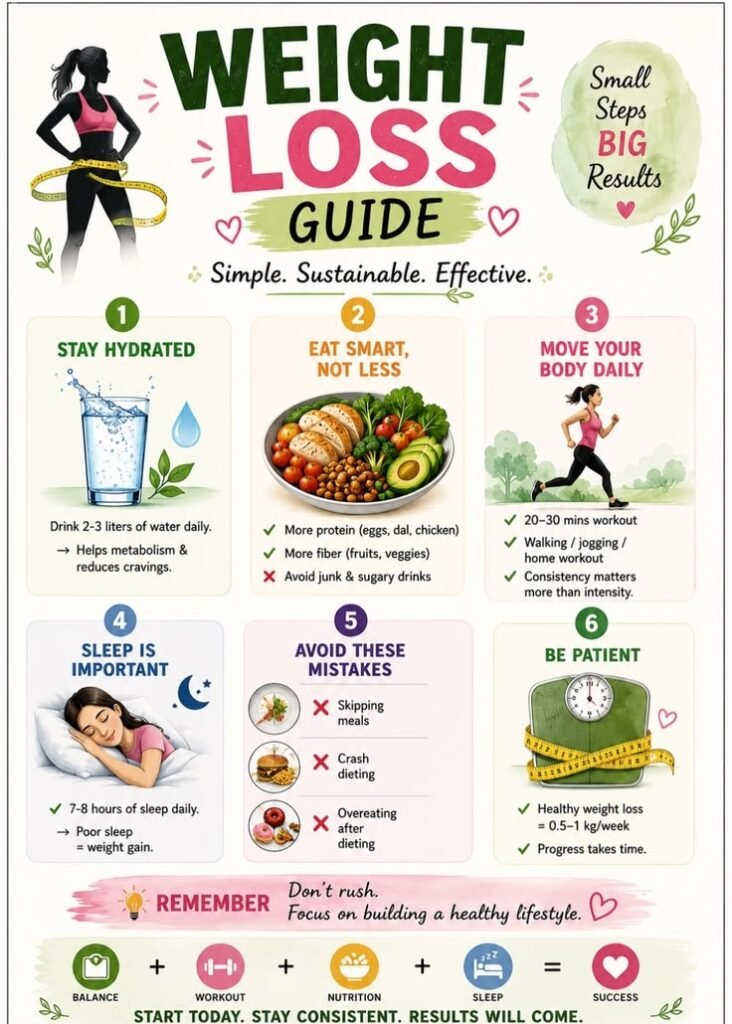
Hydration also plays a pivotal role in maintaining a healthy weight. Drinking water throughout the day can help keep hunger at bay and prevent overeating. Moreover, sometimes thirst is misinterpreted as hunger. By ensuring adequate hydration, one might find themselves consuming fewer calories overall, promoting weight loss without drastic changes to their diet.
Making healthier food choices doesn’t mean sacrificing enjoyment. One can easily swap out less nutritious ingredients for healthier alternatives without feeling deprived. For instance, replacing white rice with quinoa or choosing whole grains over refined options can enhance nutrient intake while providing satisfying textures. Additionally, incorporating more fruits and vegetables in daily meals adds volume and nutrition without excessive calories.
Finally, exercise does not have to be time-consuming or strenuous to be effective. Simple changes, like taking the stairs instead of the elevator or embarking on short walks during breaks, can significantly contribute to overall physical activity. These small yet consistent changes make exercise a seamless part of busy lifestyles, reinforcing the premise that sustainable weight loss is attainable.
By focusing on these fundamental strategies—mindful eating, adequate hydration, balanced food choices, and simple physical activities—individuals can cultivate habits that support weight management effortlessly over time.
Overcoming Common Weight Loss Challenges
Embarking on a journey to lose weight sustainably often comes with numerous challenges that can hinder progress. One of the most significant obstacles individuals face is emotional eating, where food becomes a source of comfort during stressful times. To combat this, it’s essential to recognize triggers and develop healthier coping mechanisms. Journaling or engaging in mindfulness practices can help identify emotions related to eating, allowing individuals to find alternative ways to cope, such as exercising or pursuing a hobby.
Another common challenge arises from social pressures. Friends and family may inadvertently contribute to unhealthy eating habits by not understanding one’s weight loss goals. Communicating openly about dietary choices is vital. Seeking support from a community, be it an online forum or a local weight loss group, can foster a sense of belonging and accountability. Surrounding oneself with like-minded individuals can provide encouragement and motivation, making the journey more enjoyable.
Weight loss plateaus are also frequent occurrences that can be frustrating. After initial success, individuals often find it challenging to continue losing weight. To break through these stalls, consider reassessing dietary habits and physical activity levels. Making minor adjustments, such as varying exercise routines or incorporating strength training, can stimulate progress. Nutritionists often emphasize the importance of staying hydrated and ensuring nutrient density in meals, which can also facilitate overcoming plateaus.
Adjusting one’s mindset is crucial for long-term success. Practicing self-compassion and focusing on non-scale victories, such as improved energy levels or increased strength, can reinforce positive behaviors. As motivational speaker Tony Robbins once said, “The only limit to your impact is your imagination and commitment.” By maintaining a positive outlook and embracing change, individuals can effectively navigate the hurdles inherent in their weight loss journey.
Maintaining Your Weight Loss Progress
Achieving your weight loss goals is a significant milestone, but the real challenge lies in maintaining that progress over the long term. To ensure that the hard work you have put into losing weight does not go to waste, consider implementing several key strategies. First, it is advantageous to set new and achievable fitness and health goals for yourself. This could involve transitioning towards specific performance targets, such as running a marathon, or setting goals related to overall wellness, such as improved sleep or reduced stress levels.
Continuing to practice healthy habits is essential in sustaining your weight loss. Incorporating regular physical activity into your daily routine not only helps prevent weight regain but also improves your overall mental and physical well-being. Whether it is through daily walks, gym workouts, or engaging in sports, maintaining an active lifestyle will support your goal of remaining fit and healthy.
Self-monitoring plays a crucial role in maintaining weight loss. Keeping a journal of your food intake and exercise can provide valuable insights into patterns that may require adjustments. Furthermore, utilizing smartphone apps to track your calorie intake and exercise can make the process easier and more intuitive.
Long-term motivation is vital for weight maintenance. Find ways to remain inspired, whether through connecting with others who share similar goals, participating in community fitness programs, or simply reminding yourself of the benefits that come from maintaining a healthy lifestyle. Celebrating milestones, no matter how small, creates positive reinforcement. Recognize achievements, such as reaching a new fitness level or maintaining weight for a certain period, as these moments can help solidify your commitment to a healthier way of living.
Finally, it is important to cultivate a positive body image. Acknowledge that maintaining weight is not a linear process and it is normal to experience fluctuations. Embrace your journey, focus on your achievements, and remember that you have the tools to sustain the healthy habits that brought you success.

