
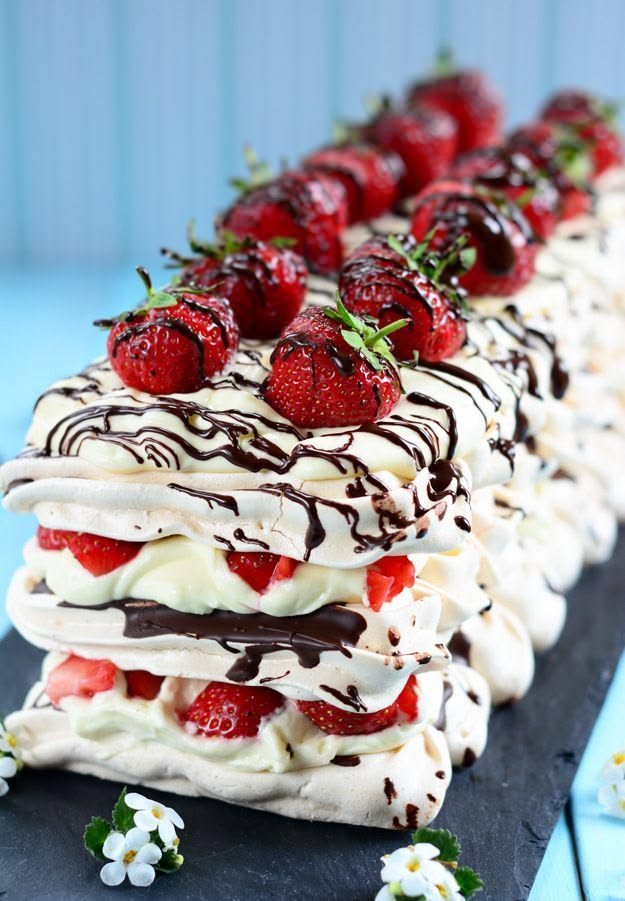
Strawberry chocolate meringues offer an approachable way to make delicate cookies with a crisp outer shell and a light, airy center. Their texture comes from a simple mixture of egg whites and sugar, whipped until glossy and stable. Although meringue can seem fussy, a few careful steps make the process manageable: use clean equipment, add the sugar gradually, and allow enough time for the mixture to reach firm peaks. The result is a sweet, feather-light base that carries fruit and chocolate without feeling heavy.
Low-temperature baking is what helps these cookies stay pale and crisp. Rather than browning quickly, the piped meringue slowly dries in the oven, setting its shell while preserving its delicate structure. Oven temperatures can vary, so look for cookies that feel dry on the outside and release easily from the baking paper. Leaving them to cool gradually also helps reduce sudden changes that can cause cracking or a soft, sticky finish. These simple cues matter more than rushing the bake, especially in humid conditions.
Freeze-dried strawberries bring concentrated berry flavor and color without introducing the excess moisture of fresh fruit. Crumble them finely and fold them in gently, taking care not to deflate the whipped whites. Chocolate adds a rich counterpoint to the fruit’s bright, tart notes; finely chopped pieces can be folded through sparingly, or melted chocolate can be drizzled over the cooled cookies. Keeping both additions measured preserves the meringue’s airy texture. Together, these choices create a balanced treat that tastes fruity and chocolatey while remaining crisp, delicate, and easy to serve.
Successful strawberry chocolate meringues begin with a few carefully chosen ingredients. Use egg whites at room temperature, since they generally whip more readily and create a generous, stable foam. Separate the eggs while they are cold, when the yolks are firmer, then let the whites warm before whipping. Superfine sugar dissolves quickly, but regular granulated sugar also works; add it gradually once the whites have become foamy. A small amount of cream of tartar or lemon juice helps stabilize the mixture. Finely crushed freeze-dried strawberries bring concentrated berry flavor without adding excess moisture, while melted chocolate can be folded through the foam in delicate ribbons or reserved for decorating.
Clean equipment is essential because fat interferes with egg-white foam. Make sure the mixing bowl, whisk, and beaters are completely clean and grease-free; wiping them with a little vinegar or lemon juice can help remove residue. Separate each egg into a small cup before adding the white to the main bowl. Even a trace of yolk can prevent the whites from whipping properly, so this extra step can save a batch. A stand mixer is convenient, but a hand mixer and a suitably deep bowl work well, too. Keep a spatula ready for gently incorporating the strawberry powder and chocolate without knocking out too much air.
Prepare the tray and flavorings before you start mixing, as meringue is easiest to handle soon after it is whipped. Line a baking tray with parchment paper and preheat the oven to a low temperature, which allows the meringues to dry gradually rather than brown quickly. Crush the freeze-dried strawberries finely and set them aside. Melt the chocolate in short intervals, stirring between each, then let it cool until fluid but no longer hot; hot chocolate can deflate the foam. Vanilla extract is an optional addition, and a pinch of salt can sharpen the sweetness. Avoid fresh strawberries in the mixture: their moisture can soften the finished meringues and compromise their crisp texture.
Begin with a clean, dry bowl and whisk attachment, since grease or moisture can prevent the egg whites from expanding properly. Beat the whites at medium speed until they become foamy and evenly covered with small bubbles. Add the stabilizer, such as cream of tartar, and continue whisking. Once the whites look softer and more opaque, start adding the sugar gradually, a spoonful at a time, while the mixer runs. This steady approach gives the sugar time to dissolve and helps build a stable foam.
Continue beating until the mixture is thick, glossy, and holds stiff peaks when the whisk is lifted. Check that the sugar has dissolved by rubbing a small amount of meringue between two clean fingers; it should feel smooth, with little or no graininess. If it still feels gritty, whisk for another short interval and test again. Avoid stopping before the foam is firm, but do not beat so long that it becomes dry or clumpy.
Sprinkle the crushed freeze-dried strawberries over the meringue and drizzle in a modest amount of melted chocolate that has cooled slightly but remains fluid. Use a spatula to fold the additions in gently, with only a few broad strokes. The goal is to distribute the fruit while leaving visible chocolate streaks. Excessive mixing can deflate the foam and blur the swirls, so stop as soon as the ingredients are loosely incorporated.
Line a baking tray with parchment paper. Spoon or pipe small mounds onto the tray, leaving space between them so air can circulate. Bake slowly at a low temperature until the meringues feel dry on the outside and are set. Their color should remain pale rather than toasted; if they begin to brown, reduce the heat. When baking is complete, switch off the oven and leave the tray inside with the door slightly ajar. This gradual cooling helps the centers dry fully, encourages a crisp texture, and reduces the chance of sudden temperature changes causing cracks. Let them cool completely before serving or storing in an airtight container.
Once the meringues are completely cool, finish them with a fine drizzle of melted chocolate. Use a spoon or a small piping bag to make thin, even lines, then add a light sprinkle of strawberry powder or finely crushed strawberry pieces while the chocolate is still wet. Leave the meringues undisturbed until the chocolate has set before serving. The finished treats should feel crisp and dry on the outside, with a delicate, airy bite that dissolves lightly rather than sticking to the teeth. Keep the drizzle restrained so it complements the strawberry flavor without weighing down the crisp shells.
If egg whites will not form peaks, check that the mixing bowl and beaters are completely clean and grease-free; even a small trace of fat can interfere with whipping. When adding sugar, do so gradually, allowing each addition to dissolve before adding more. If the mixture starts to lose volume, avoid rushing or adding extra ingredients, and continue carefully until it is glossy and holds its shape. Fold in fruit powder or chocolate gently, using as few strokes as possible. Overmixing can deflate the foam and make the meringues denser. If the centers remain sticky after baking, return them to a low-temperature oven for longer drying, checking periodically rather than raising the heat.
Humidity can soften meringues and make their surfaces tacky, so store them only when they are completely cool. Place them in an airtight container at room temperature, away from moisture, heat, and steamy cooking areas. Do not refrigerate them: condensation can compromise their crisp texture. For the best contrast, serve the meringues with coffee, fresh berries on the side, or a little softly whipped cream. Add fresh berries, cream, and any other moist toppings just before serving, rather than storing them with the cookies. This keeps the shells crisp for as long as possible and allows guests to enjoy the airy texture alongside the richer chocolate finish and bright strawberry notes.