
Understanding Heart Disease and Its Risk Factors
Heart disease refers to a range of conditions affecting the heart’s structure and function. It encompasses various types, including coronary artery disease, heart rhythm problems (arrhythmias), and heart defects present from birth (congenital heart defects). These conditions can lead to significant health complications, including heart attack, stroke, and heart failure.
Thank you for reading this post, don't forget to subscribe!Several risk factors contribute to the development of heart disease, which can generally be categorized into non-modifiable and modifiable factors. Non-modifiable risks include age, gender, and genetics. As individuals age, the likelihood of developing heart problems increases significantly. Men are at a higher risk at a younger age, while women’s risk rises after menopause, often leading to parity in risk levels.
On the other hand, modifiable risk factors can be influenced by personal choices and lifestyle adjustments. High blood pressure and elevated cholesterol levels are major contributors to heart disease. Hypertension puts excess strain on the heart, while high levels of low-density lipoprotein (LDL), or “bad cholesterol,” can lead to artery blockages. Furthermore, smoking is a leading cause of cardiovascular diseases, damaging blood vessels and accelerating the buildup of plaque in arteries.
Lifestyle choices such as poor diet, physical inactivity, and excessive alcohol consumption further exacerbate the risk profile. A diet rich in saturated fats, sugar, and sodium contributes to increased blood pressure and cholesterol levels. Lack of regular physical exercise diminishes cardiovascular fitness and can lead to obesity, another critical risk factor. Thus, understanding these facets is essential for mitigating heart disease risk through healthy lifestyle changes.
Key Lifestyle Changes for a Healthier Heart
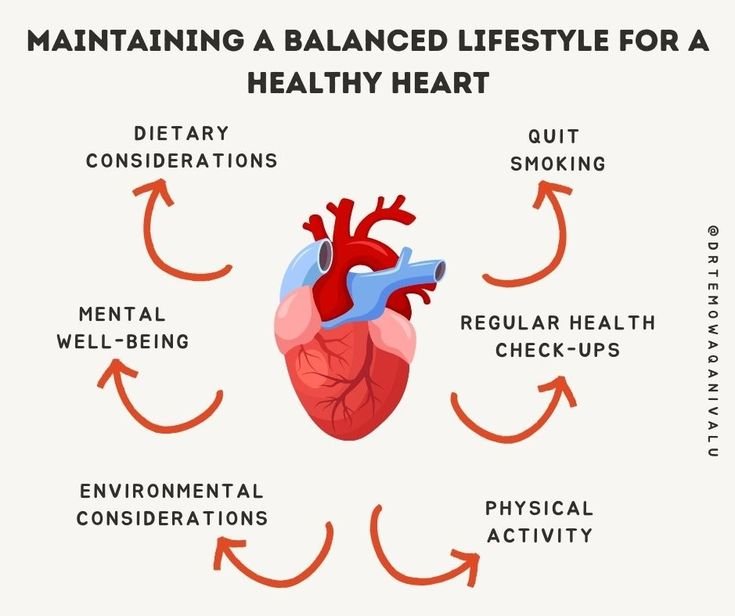
Adopting specific lifestyle changes can markedly reduce the risk of heart disease, which is increasingly crucial in today’s fast-paced world. A heart-healthy diet is a fundamental cornerstone. Diets such as the Mediterranean or DASH (Dietary Approaches to Stop Hypertension) emphasize whole grains, fruits, vegetables, lean proteins, and healthy fats. For instance, incorporating more fish, nuts, and olive oil into daily meals not only enhances flavor but also provides essential nutrients that support cardiovascular health.
Physical activity is another vital component of heart health. Engaging in at least 150 minutes of moderate aerobic exercise weekly can lower blood pressure, improve circulation, and strengthen the heart muscle. Activities such as brisk walking, cycling, or swimming are accessible and can easily be integrated into one’s routine. Mixing these with strength training exercises at least twice a week further optimizes heart health by contributing to improved metabolism and muscular strength.
Maintaining a healthy weight is crucial as excess body fat, particularly around the abdomen, is linked to an increased risk of heart disease. Monitoring calorie intake through mindful eating and balancing it with physical activity can help achieve this goal. Regularly incorporating fresh produce, whole grains, and healthy fats while limiting processed foods is an effective strategy to achieve and maintain a healthy weight.
Lastly, reducing alcohol consumption can significantly benefit heart health. While moderate drinking may have some advantages, excessive alcohol intake can lead to high blood pressure, cardiomyopathy, and other heart-related issues. Limiting alcohol to no more than one drink per day for women and two for men is advisable. Each of these lifestyle changes synergistically contributes to a healthier heart and a lower risk of heart disease.
The Role of Mental and Emotional Well-being
Mental and emotional health is a critical aspect of overall well-being and plays a significant role in heart disease prevention. Research has consistently shown that conditions such as stress, anxiety, and depression can adversely affect heart health. Chronic stress, for example, has been linked to increased blood pressure and heart rate, both of which contribute to heart disease risk. The physiological responses to stress can lead to inflammation, a factor known to accelerate the development of cardiovascular problems.
Understanding the impact of emotional well-being on heart health is essential. Individuals experiencing anxiety or depression may engage in behaviors that further increase their heart disease risk, such as unhealthy eating, smoking, or physical inactivity. Moreover, these emotional states can undermine an individual’s motivation to adhere to beneficial health practices, such as maintaining a balanced diet and exercising regularly. Consequently, emotional resilience and mental wellness emerge as vital components in formulating an effective heart disease prevention strategy.
To combat the adverse effects of stress and enhance emotional health, various strategies such as mindfulness and meditation have gained prominence. Mindfulness practices encourage individuals to focus on the present moment, reducing anxiety and promoting overall mental clarity. Other beneficial practices include regular physical activity, which has been shown to elevate mood and reduce feelings of stress and anxiety. Additionally, cultivating a strong social support network can greatly aid in buffering against the emotional strains that may arise in daily life.
By prioritizing mental health through these strategies, individuals can develop greater emotional resilience. This resilience not only contributes to better emotional well-being but is also an essential aspect of a holistic approach to reducing heart disease risk. Therefore, integrating mental health management into daily routines is a proactive measure that can lead to significant improvements in heart health.
Creating a Sustainable Heart-Healthy Lifestyle
Adopting a heart-healthy lifestyle is a pivotal step in reducing the risk of heart disease. However, creating and maintaining these changes over the long term requires careful planning and commitment. Establishing realistic goals is one of the foundational steps towards sustainability. When individuals set achievable targets, such as incorporating more fruits and vegetables into their diets or engaging in regular physical activity, they are more likely to stay motivated and successful in their endeavors.
Tracking progress is equally essential in this journey. Utilizing journals or mobile applications can help individuals log their daily activities, food intake, and other relevant metrics. This practice not only promotes accountability but also allows individuals to identify patterns or areas needing improvement. Regular reflection on one’s progress can serve as a motivation boost, reinforcing the significance of the heart-healthy choices made.
Community support plays a crucial role in maintaining these lifestyle changes. Engaging with like-minded individuals through community groups, online forums, or even friends and family can significantly enhance motivation. Having a support system provides encouragement, shares valuable resources, and can foster a sense of belonging that enhances commitment to adopting healthier habits.
Overcoming obstacles to change is an inevitable part of this process. Common barriers such as time constraints or lack of access to healthy options need to be addressed proactively. Developing strategies, such as meal prepping or setting aside specific times for exercise can mitigate these challenges. By being flexible and open to adjusting plans, individuals can navigate hurdles more effectively.
By setting practical goals, tracking progress, relying on community support, and finding solutions to challenges, one can cultivate a heart-healthy lifestyle sustainably. This commitment not only minimizes the risk of heart disease but also improves overall well-being, leading to a healthier, happier life.

