
Understanding the Basics of Nutrition Labels
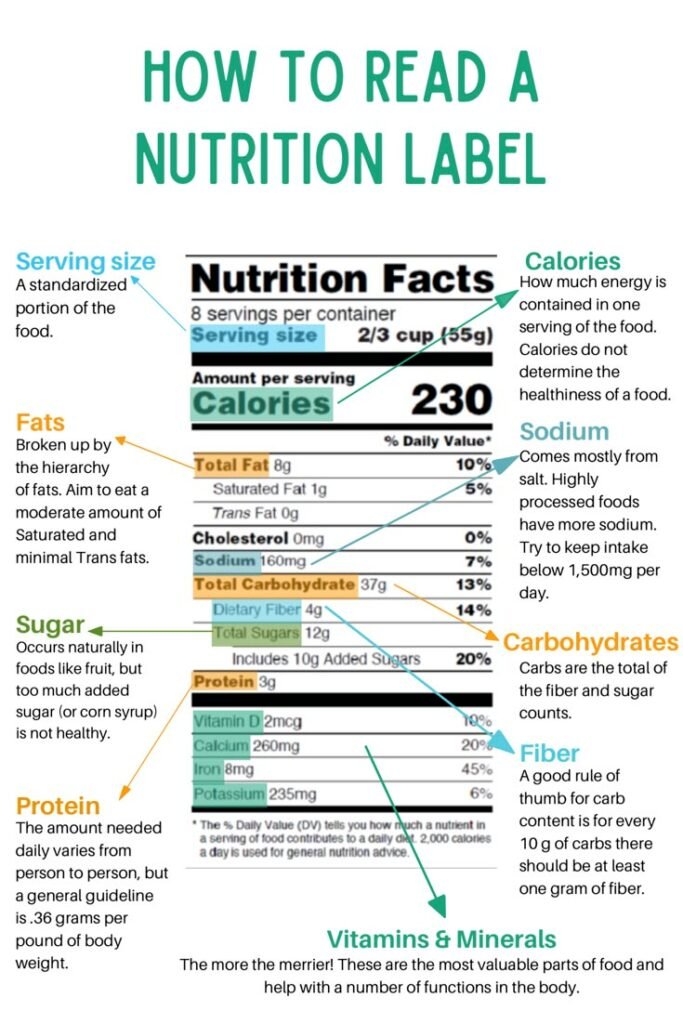
Nutrition labels are essential tools for making informed dietary decisions. They provide vital information about the nutritional content of food products, allowing consumers to understand what they are purchasing and consuming. The primary components of these labels include serving size, calories, and daily value percentages.
Thank you for reading this post, don't forget to subscribe!The first item to note is the serving size, which is typically displayed at the top of the label. This measurement indicates the amount of food that is generally considered a single portion. Understanding serving size is crucial since it serves as a reference point for the remaining nutritional information. It is important to compare this figure to the quantity you intend to consume, as many portions in products can seem smaller than what people consume in reality.
Next, the calories portion details the total energy provided by one serving of the food. Knowing the caloric content is integral to managing one’s energy intake and is particularly significant for individuals looking to maintain or lose weight. It is advisable to be mindful of the caloric density in relation to serving size, as this will influence overall food consumption and dietary choices.
Another critical aspect is the daily value percentages, which offer insight into how much a nutrient in a serving contributes to a daily diet based on a 2,000-calorie intake. This percentage helps individuals gauge whether a food product is low or high in specific nutrients. For instance, nutrients such as fiber and vitamins are typically beneficial, while added sugars and saturated fats should be limited. Therefore, understanding these values aids in selecting foods that align with personal health goals.
In conclusion, familiarity with the components of nutrition labels empowers consumers to make healthier dietary choices, establishing a foundation for better eating habits over time.
Decoding Nutritional Information: Macronutrients and Micronutrients
The nutritional label on food packaging provides essential information about its health profile, primarily focusing on macronutrients and micronutrients. Understanding these components is vital for making informed dietary choices.
Macronutrients, which include carbohydrates, proteins, and fats, are the key energy providers for our bodies. Carbohydrates are often the primary source of energy, typically accounting for 45-65% of total daily caloric intake. They can be categorized into simple and complex forms, with complex carbohydrates being the preferred option, as they are digested more slowly and provide sustained energy. A close look at the label reveals the total grams of carbohydrates per serving, including sugars and dietary fiber, important for regulating digestion.
Proteins serve as the building blocks of our tissue and play a crucial role in various bodily functions, including hormone production and immune response. The Recommended Dietary Allowance (RDA) suggests that approximately 10-35% of total calories come from protein. On a nutrition label, the protein content is listed in grams per serving, assisting consumers in ensuring they meet their daily intake.
Fats, often misconstrued as a negative component, are necessary for various physiological functions, including hormone production and nutrient absorption. The label shows total fat content along with a breakdown of saturated and trans fats. It is advisable to limit saturated fat intake to less than 10% of total daily calories, as excessive consumption can lead to increased health risks.
Micronutrients, encompassing vitamins and minerals, are equally important for overall health, despite being needed in smaller quantities compared to macronutrients. These nutrients support numerous bodily functions, from immune health to bone maintenance. Each nutrition label provides information on specific vitamins and minerals, often expressed as a percentage of the Daily Value (%DV). Meeting or exceeding these values ensures a balanced intake of essential nutrients.
Effectively interpreting these figures on a nutrition label allows consumers to assess the healthfulness of a product and make dietary decisions aligned with their health goals.
Spotting Additives and Preservatives: What to Watch Out For
When examining nutrition labels, it is crucial to recognize the presence of additives and preservatives, which can significantly affect the nutritional profile of a food product. Additives are substances added to foods to enhance flavor, color, texture, or shelf life, while preservatives primarily serve to prolong the freshness and prevent spoilage.
Commonly used additives include artificial colors, sweeteners, and flavor enhancers. For instance, artificial colors (often indicated by names like Red 40 or Yellow 5) are used to enhance visual appeal but may pose health concerns, particularly in sensitive populations. Similarly, high-fructose corn syrup serves as a sweetener, yet its high levels in processed foods can contribute to obesity and related health issues.
Preservatives such as sodium benzoate and propyl gallate are frequently used to extend shelf life. While these substances can help reduce food waste, some studies suggest potential links to negative health outcomes, including allergic reactions or other sensitivities in certain individuals.
To spot these additives and preservatives on a nutrition label, a reader should carefully review the ingredient list. Ingredients are typically listed in descending order by weight, meaning the first few items are present in higher quantities. Additionally, ingredients that are difficult to pronounce or are followed by numbers can indicate synthetic additives. Health-conscious consumers might benefit from focusing on items that contain whole food ingredients with fewer additives.
Ultimately, awareness of the types of additives and preservatives present in food products enables consumers to make informed dietary choices that align with their health goals. By prioritizing whole foods and reducing intake of heavily processed products, individuals can support their overall well-being.
Practical Tips for Making Healthier Choices Based on Labels
Understanding how to read a nutrition label is essential for making informed food choices. By applying specific strategies when evaluating labels, individuals can significantly improve their dietary habits. One effective approach is to compare similar products based on their nutrition information. When shopping for packaged foods, consider the serving sizes; not all labels present the same amount of product, which can be misleading. Focus on the items with lower levels of added sugars, unhealthy fats, and sodium, as these ingredients can detract from overall health.
When planning meals, start by selecting recipes that emphasize whole, nutrient-dense ingredients. Utilize nutrition labels to determine how various ingredients contribute to your dietary goals. For instance, if your intention is to increase fiber intake, seek out foods that contain whole grains, legumes, or vegetables that are high in dietary fiber. By planning meals around foods that align with specific nutrient needs, you can more easily ensure a balanced diet.
It is also crucial to prioritize nutrients based on individual health objectives or dietary restrictions. For example, if you are working to decrease your cholesterol levels, paying close attention to the saturated fat and trans fat content on the label is critical. Alternatively, if you aim to build muscle, look for products that are rich in protein and essential vitamins and minerals. Balancing nutrient intake in accordance with personal health goals will result in more effective and sustainable dietary choices.
Incorporating regular label reading into your shopping routine not only enhances decision-making but also promotes an overall understanding of food quality. Consider keeping a list of preferred products that meet your health standards, making it simpler to shop efficiently. In summary, utilizing nutrition labels effectively can empower you to choose healthier options tailored to your dietary needs.

