
Understanding Puff Pastry: The Basics
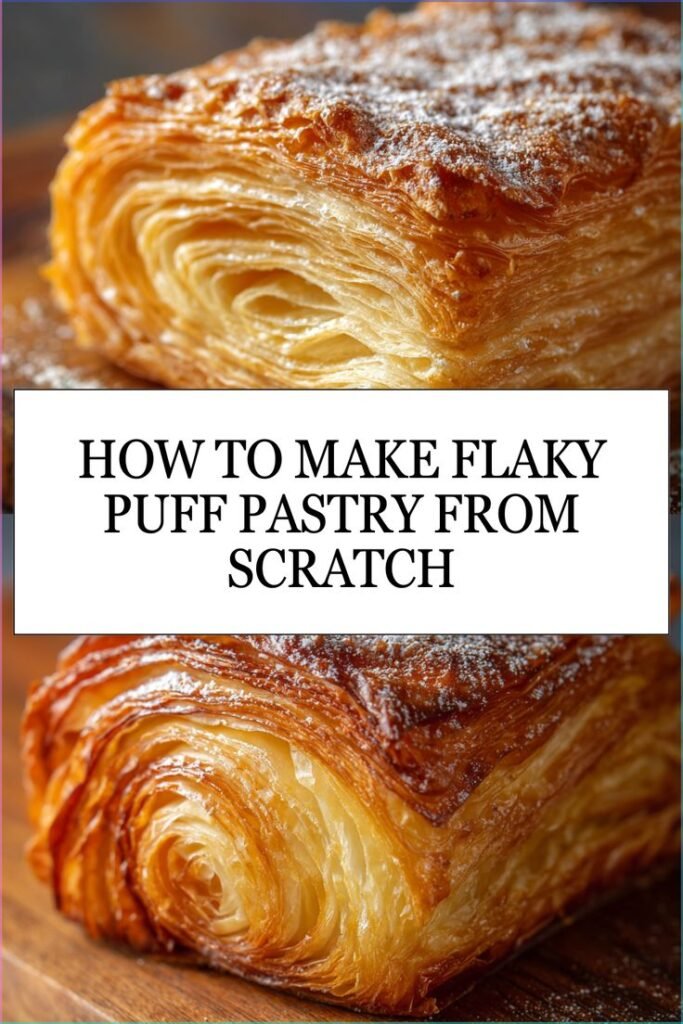
Puff pastry is a versatile and light pastry known for its flaky texture, making it a favored choice in both sweet and savory dishes. Its history dates back to the 17th century, with origins traced primarily to France. The pastry itself is composed of layers of dough and fat, typically butter, crafted through a process known as lamination. This technique involves folding and rolling the dough multiple times to create numerous thin layers that expand when baked.
Thank you for reading this post, don't forget to subscribe!The key ingredients of puff pastry include flour, water, salt, and cold butter. These components work in harmony to achieve that sought-after flakiness. The flour serves as the structural base, while the cold butter, when rolled out and folded into the dough, creates layers. As the pastry bakes, the water in the dough turns to steam, causing the layers to puff up and separate, resulting in a light and airy texture.
Puff pastry differs from other pastry types, such as shortcrust or phyllo, primarily due to its lamination process. Shortcrust pastry is generally denser and more crumbly, while phyllo is composed of very thin sheets of dough, producing a crisp texture rather than the characteristic lift of puff pastry. The science behind the layering technique is crucial, as it determines the success of achieving the ultimate flaky pastry.
Understanding these fundamentals about puff pastry not only enhances one’s ability to create it but also enriches the appreciation for its unique properties and culinary applications. Mastering the basics of puff pastry lays the foundation for experimenting with various flavors and fillings, presenting endless culinary possibilities for both novice and experienced bakers alike.
Essential Ingredients and Tools
Creating flaky puff pastries requires a precise balance of ingredients and the right tools. The primary ingredients for a traditional puff pastry include all-purpose flour, unsalted butter, salt, and cold water. For a standard batch, you will need:
- 2 cups of all-purpose flour
- 1 cup of unsalted butter (preferably cold)
- 1 teaspoon of salt
- ½ cup of cold water
The quality of these ingredients significantly impacts the final product. Opting for high-quality, unsalted butter is essential because it contributes to the flakiness and rich flavor of the pastry. The flour should have a high protein content, which helps create gluten, providing structure and texture. Always ensure the water is cold; this is crucial to keep the butter firm during the lamination process, promoting the distinctive layered texture of puff pastry.
In addition to the ingredients, having the right tools is vital for successful puff pastry preparation. The essential tools include:
- A large mixing bowl for combining the initial ingredients
- A rolling pin for rolling out the dough to the desired thickness
- A pastry brush for applying egg wash or butter
- A sharp knife or pizza cutter to create precise cuts in the pastry
- Parchment paper, which is useful for lining baking sheets and preventing sticking
Each of these tools plays a crucial role in ensuring that the puff pastry develops its signature flaky layers and is baked evenly. Investing in high-quality tools alongside ingredients will facilitate a smoother preparation process and yield superior results.
Step-by-Step Guide to Making Puff Pastry
Creating perfect puff pastry from scratch is a rewarding endeavor that requires attention to detail, but with this step-by-step guide, both novice and experienced bakers can achieve delightful results. The process begins by gathering essential ingredients: all-purpose flour, cold unsalted butter, salt, and chilled water. The key to achieving those distinct flaky layers lies in the incorporation of butter into the dough.
Start by mixing together the flour and salt in a large bowl. Cut the cold butter into small cubes and add it to the flour mixture. Using a pastry cutter or your fingertips, work the butter into the flour until the mixture resembles coarse crumbs. It is important to keep the butter cold during this process, as warm butter will not create the necessary layers.
Next, gradually add ice-cold water, mixing until a dough begins to form. Be careful not to overwork the dough; a few lumps of butter should still be visible. Once combined, wrap the dough in plastic wrap and refrigerate for at least 30 minutes. This resting period allows the gluten to relax and the butter to harden, both of which are essential for creating delicate layers.
After chilling, it is time to roll out the dough. On a lightly floured surface, roll the dough into a rectangle approximately 12 inches by 6 inches. Fold the dough into thirds, as if folding a letter. This technique is known as a “turn.” Wrap the folded dough again and refrigerate for another 30 minutes. Repeat the rolling and folding process for a total of four turns. Each turn incorporates additional layers of butter and flour, resulting in the characteristic flakiness of puff pastry.
After completing the turns, keep the dough chilled until ready to use. This allows for better handling during the final baking process. Whether you are making savory pastries or sweet treats, following these clear steps will lead to a successful puff pastry that is sure to impress.
Baking and Serving Puff Pastry Creations
Baking puff pastries can truly elevate any meal, transforming simple ingredients into exquisite treats. To achieve perfectly flaky puff pastries, it is essential to begin with a well-preheated oven. Set your oven temperature to 400°F (200°C) to facilitate an ideal puffing process. Preheating is crucial, as this ensures that the butter layers start melting and create steam right away, resulting in that delightful, airy texture that is characteristic of puff pastry.
Once you have prepared your pastries and placed them on a lined baking sheet, it is time to bake. Depending on their size and thickness, baking times can vary, but typically range from 15-25 minutes. A visual cue for doneness is the golden-brown color; pastries should be beautifully puffed and glistening. Continuous monitoring is advised, especially toward the end of the cooking time, to prevent burning. If your oven has hot spots, rotate the baking sheet halfway through for even cooking.
When it comes to serving puff pastries, the possibilities are nearly endless. For savory options, consider fillings such as spiced meat, cheese, or a combination of sautéed vegetables. Sweet variations can include fruit jams, chocolate, or pastry cream, allowing room for creativity and personal preference. To enhance presentation, pastries can be dusted with powdered sugar or drizzled with chocolate or caramel sauce.
After indulging in your delicious puff pastry creations, it is important to know how to store any leftovers if there are any! Baked pastries should be stored in an airtight container at room temperature for up to two days or can be refrigerated for a few additional days. Unbaked dough can be wrapped in plastic wrap and stored in the fridge for several days or frozen for long-term use. This method ensures that you can enjoy freshly baked puff pastries with minimal effort at a later time.