
Understanding Belly Fat
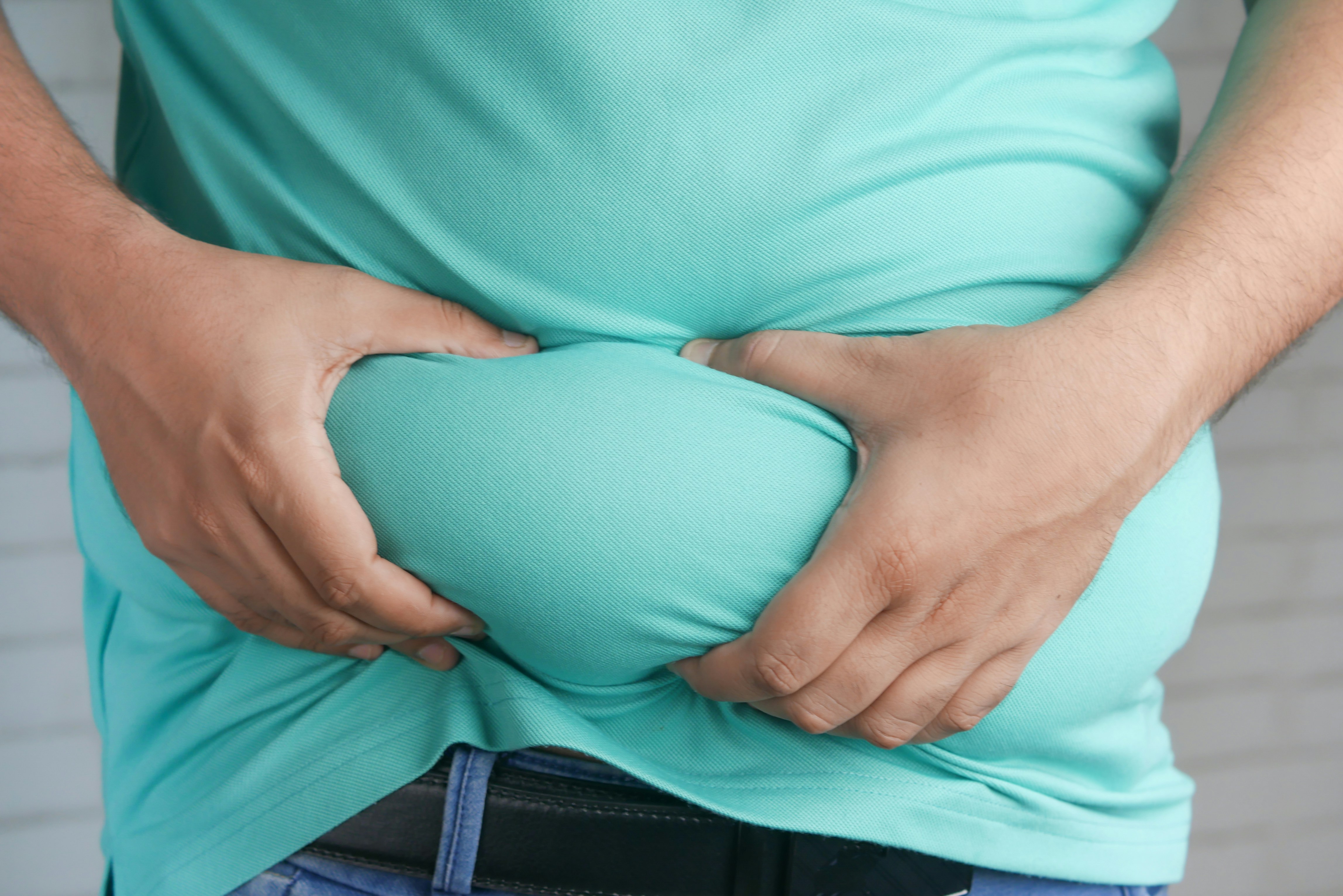
Belly fat is a term that commonly refers to excess fat stored in the abdominal area. Primarily, there are two types of belly fat: subcutaneous fat and visceral fat. Subcutaneous fat is located just beneath the skin and can be pinched, while visceral fat is found deeper within the abdominal cavity, surrounding essential organs such as the liver and pancreas. This distinction is crucial because these two types of fat have different implications for health.
Thank you for reading this post, don't forget to subscribe!Visceral fat is particularly concerning due to its association with serious health conditions. Research indicates that an accumulation of visceral fat is linked to increased risks of type 2 diabetes, cardiovascular diseases, and even certain cancers. This type of fat secretes harmful substances that can lead to inflammation and insulin resistance, which emphasizes the need for effective strategies to reduce belly fat.
Several factors contribute to the accumulation of belly fat. Genetics plays a significant role; individuals can inherit tendencies that predispose them to store fat in their abdominal region. Additionally, dietary choices, particularly the consumption of high-calorie and processed foods, contribute significantly to belly fat accumulation. Lifestyle factors, such as physical inactivity and high-stress levels, also exacerbate the situation. Stress specifically can lead to increased cortisol levels, which are associated with higher visceral fat storage. Understanding these influences is pivotal for those aiming to lose belly fat. Addressing dietary habits, promoting an active lifestyle, and managing stress are essential components in combating the risks related to excess abdominal fat. By gaining insight into the types of fat and factors affecting their growth, individuals can make informed decisions geared towards achieving a healthier body composition.
Natural Dietary Changes to Promote Fat Loss
Making natural dietary changes is essential for those aiming to lose belly fat effectively. Prioritizing whole foods, such as fruits, vegetables, whole grains, lean proteins, and healthy fats, can foster a healthier metabolism and promote fat loss. Whole foods are generally more nutrient-dense and lower in added sugars and unhealthy fats, making them ideal for weight management.
Reducing the intake of refined sugars and processed foods is another crucial step. These types of foods often contain high levels of added sugars and unhealthy fats, contributing to weight gain around the abdominal area. Instead, individuals should focus on natural alternatives. For instance, replacing sugary snacks with fruits can satisfy sweet cravings while offering fiber, vitamins, and minerals essential for overall health.
Incorporating more fiber into the diet can significantly support fat loss efforts. Fiber-rich foods, such as oats, beans, lentils, and many fruits and vegetables, can aid in digestion and promote a feeling of fullness, thereby helping to control caloric intake. Foods like avocados, nuts, and seeds provide healthy fats which are beneficial for maintaining satiety and supporting metabolic functions.
Lean proteins, including chicken, turkey, fish, and plant-based sources like tofu and legumes, are also crucial for anyone looking to reduce belly fat. Proteins play a vital role in muscle repair and growth, and they are more satisfying than carbohydrates, which can help in preventing overeating.
Creating balanced meals that comprise a variety of these food groups not only supports fat loss but also encourages a more sustainable approach to eating. A well-rounded plate may include grilled chicken breast, a colorful salad topped with avocados and olive oil, and a serving of quinoa or brown rice. Such meals keep energy levels stable and foster long-term adherence to a healthier diet.
Effective Physical Activities for Burning Belly Fat
When it comes to losing belly fat naturally, engaging in effective physical activities is crucial. A combination of cardiovascular exercises, strength training, and targeted abdominal workouts can lead to significant results. Cardiovascular exercises, such as running, cycling, and swimming, elevate your heart rate and promote calorie burning, which is essential for fat loss. Aiming for at least 150 minutes of moderate-intensity cardio each week can dramatically impact your body composition.
Strength training is another vital component. By building muscle, you increase your resting metabolic rate, meaning your body burns more calories, even at rest. Incorporating exercises such as squats, deadlifts, and bench presses into your routine not only strengthens your core but also supports overall fat loss, including in the abdominal area.
Additionally, dedicated abdominal workouts play a significant role in targeting belly fat. Exercises like planks, crunches, and leg raises, when performed consistently, can help tone the muscles in your core. While these exercises alone will not eliminate belly fat, they contribute to a firmer appearance and improved strength when combined with other forms of exercise.
Consistency is key—finding activities that you enjoy increases the likelihood that you will stick to your fitness regimen over time. It is also beneficial to create a personalized workout routine that fits your busy lifestyle, making it easier to maintain your commitment to losing belly fat naturally. Incorporating short bursts of exercise throughout your day, such as walking during breaks or doing quick home workouts, can be effective strategies for busy individuals.
Lifestyle Habits for Sustainable Weight Management
Achieving and maintaining a healthy weight, particularly in reducing belly fat, extends beyond diet and exercise; it involves a holistic approach that encompasses various lifestyle habits. Effective weight management can be significantly influenced by how well one manages stress, ensures proper sleep, and maintains adequate hydration levels.
Firstly, stress management plays a pivotal role in weight maintenance. High stress levels can lead to increased cortisol production, which is associated with weight gain, particularly in the abdominal area. Engaging in mindfulness practices such as meditation, yoga, or deep breathing exercises can markedly reduce stress. These practices not only promote relaxation but also enhance emotional resilience, making it easier to stick to healthy habits.
Secondly, quality sleep should not be underestimated in the pursuit of sustainable weight management. Lack of adequate sleep can disrupt metabolic processes and lead to weight gain. To improve sleep quality, it is advisable to establish a consistent sleep schedule, create a calming bedtime routine, and limit screen time before bed. A sleep-friendly environment, characterized by darkness, cool temperatures, and minimal noise, can also enhance the sleep experience. Incorporating these habits may lead to improved hormonal balance that supports weight loss efforts.
Lastly, hydration is crucial in any weight management strategy. Staying properly hydrated aids in digestion, suppresses appetite, and enhances metabolic rate. Individuals should aim to drink sufficient water throughout the day, adjusting intake based on factors such as exercise and climate. Consider integrating hydrating foods, such as fruits and vegetables, into meals for an added boost.
By adopting these lifestyle habits—mindfulness for stress management, prioritizing sleep, and ensuring proper hydration—individuals can create a supportive environment for sustainable weight loss and effective belly fat reduction. These habits work synergistically to complement dietary choices and physical activity for more pronounced results.

