
Understanding Metabolism: The Basics
Metabolism refers to the complex set of chemical reactions that occur within the body to maintain life. These metabolic processes are essential for converting the food we consume into energy, which fuels every function, from breathing to physical activity. Metabolism can be broadly divided into two components: catabolism and anabolism. Catabolism involves breaking down molecules to produce energy, while anabolism encompasses the synthesis of complex molecules from simpler ones, essential for growth and repair.
Thank you for reading this post, don't forget to subscribe!One crucial aspect of metabolism is the basal metabolic rate (BMR), which measures the energy expended by the body at rest. BMR accounts for a significant portion of total energy expenditure, reflecting the minimum energy required to support vital functions during periods of inactivity, such as sleeping. Factors influencing BMR include age, gender, body composition, and hormonal imbalance, making it a highly individual metric.
Physical activity contributes significantly to overall metabolism. Exercise increases the calories burned, enhancing metabolic function and overall health. The energy expenditure from physical activity is variable, depending on the intensity and duration of the workouts. Additionally, thermogenesis, the process of heat production in organisms, also plays a role in metabolism. This can be categorized into three types: obligatory, adaptive, and exercise-induced thermogenesis.
Several biological and environmental factors affect metabolic rates. Age is a prominent factor, as metabolism tends to slow with maturity. Gender differences manifest in BMR typically, where males generally have a higher metabolic rate compared to females, due to differences in muscle mass and fat distribution. Genetics also plays a critical role in determining individual metabolic rates. Recognizing the essential components and contributing factors of metabolism establishes a foundational understanding crucial for exploring the relationship between sleep and metabolic health.
The Connection Between Sleep and Metabolism
The relationship between sleep and metabolism is a critical area of research that delves into how sleep quality and duration can significantly impact metabolic health. Scientific studies have consistently shown that inadequate sleep is intricately linked with various metabolic derangements. When individuals experience sleep deprivation, several hormonal imbalances can arise, affecting appetite regulation and glucose metabolism.
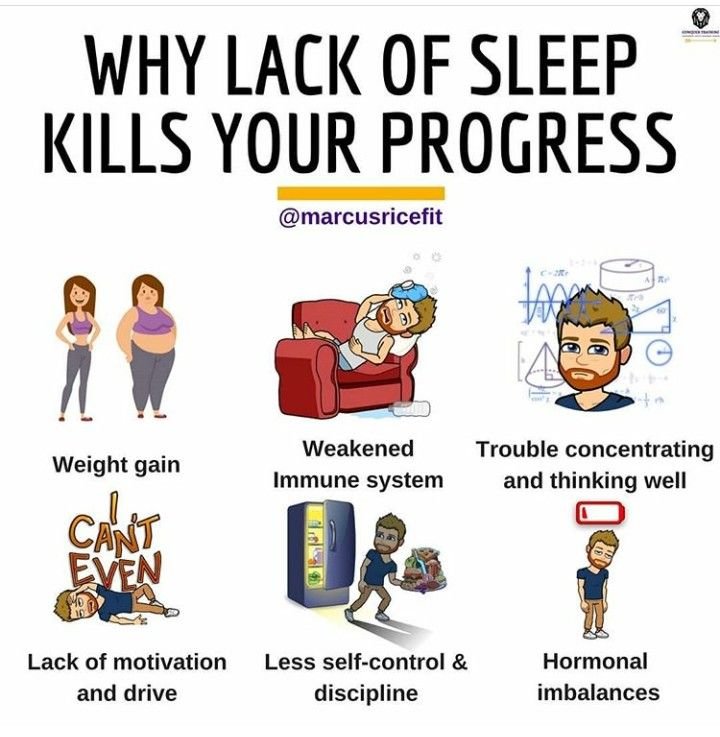
Specifically, hormones such as ghrelin, which stimulates appetite, and leptin, which signals satiety, are profoundly influenced by sleep patterns. Research indicates that insufficient sleep leads to elevated levels of ghrelin and reduced levels of leptin. This hormonal imbalance can result in an increased appetite, particularly for high-calorie and carbohydrate-rich foods, which ultimately contributes to weight gain and obesity.
Moreover, the effects of poor sleep extend to glucose metabolism. Studies suggest that sleep deprivation impairs the body’s ability to process glucose effectively, leading to insulin resistance over time. This insulin resistance results in higher blood sugar levels, which can further exacerbate the risk of developing type 2 diabetes. The impaired metabolic response during sleep deprivation underscores the importance of maintaining sufficient sleep for optimal metabolic function.
In addition to hormonal changes, lack of sleep can also trigger increased stress levels, which further compound metabolic issues. Elevated cortisol levels, a stress hormone, can lead to fat accumulation, particularly in the abdominal area. The interaction between stress, sleep, and metabolism illustrates the significance of sleep hygiene in maintaining metabolic health.
Ultimately, establishing a regular sleep schedule and ensuring adequate sleep duration are essential strategies for supporting a healthy metabolism. Addressing sleep disturbances could be a critical factor in managing appetite regulation and promoting better metabolic outcomes, emphasizing the profound link between sleep and metabolic health.
Consequences of Poor Sleep on Weight and Health
Poor sleep is increasingly being recognized as a significant factor that adversely affects weight management and overall health. Numerous studies have shown that chronic sleep deprivation can lead to an increase in body weight and a predisposition to obesity. When individuals do not obtain sufficient rest, hormonal imbalances occur, particularly involving hormones like ghrelin and leptin, which regulate appetite. Elevated levels of ghrelin stimulate hunger, while decreased levels of leptin diminish the feeling of fullness. Consequently, this hormonal imbalance can lead to increased calorie intake and weight gain.
Moreover, insufficient sleep can contribute to insulin resistance, a condition in which the body’s cells become less responsive to insulin, leading to elevated blood glucose levels. This phenomenon is particularly concerning as it is a precursor to type 2 diabetes. When sleep quality is compromised, the body’s ability to process glucose efficiently diminishes, thereby exacerbating the risk of developing metabolic disorders.
The implications of poor sleep on metabolism extend beyond weight gain and insulin resistance. Individuals experiencing chronic sleep deprivation may also face heightened risks of cardiovascular diseases. Research has indicated a link between poor sleep and elevated blood pressure, inflammation, and cholesterol levels—all of which are risk factors for heart disease. Moreover, chronic conditions like obesity and diabetes can further complicate an individual’s metabolic health, leading to a concerning cycle of health deterioration.
In addition to these specific health consequences, the overall quality of life can decline due to the effects of a slow metabolism. Individuals may experience fatigue, mood disturbances, and cognitive impairments, further complicating their ability to engage in healthy behaviors such as physical activity and balanced eating. Therefore, it is evident that poor sleep is a critical factor that undermines metabolic health and contributes to numerous health issues, highlighting the need for prioritizing sleep as part of a holistic health strategy.
Strategies to Improve Sleep for Better Metabolism
To enhance your sleep quality and restore metabolic function, several practical strategies can be implemented. First and foremost, establishing a consistent sleep schedule is vital. This means going to bed and waking up at the same time every day, even on weekends. Such consistency strengthens the body’s internal clock, making it easier to fall asleep and wake up. Aim for seven to nine hours of quality sleep each night to support optimal metabolism.
Creating a sleep-friendly environment is also essential. Make sure your bedroom is conducive to rest: keep the room dark, quiet, and cool. Consider using blackout curtains to block out light, earplugs, or white noise machines to mask disruptive sounds, and set the thermostat to a comfortable temperature. Additionally, investing in a comfortable mattress and pillows can significantly impact sleep quality.
Moreover, adopting relaxation techniques prior to bedtime can help calm the mind and prepare the body for sleep. Engaging in activities such as reading, meditating, or practicing deep breathing exercises can help reduce stress and anxiety. Avoiding stimulating activities or intense discussions right before bedtime is also beneficial.
Limiting screen time before bed is another effective strategy. The blue light emitted by smartphones, tablets, and computers can interfere with melatonin production, making it difficult to fall asleep. It is advisable to refrain from using these devices for at least one hour before bedtime. Furthermore, being mindful of caffeine intake throughout the day is crucial; consider reducing consumption, especially in the afternoon and evening.
Incorporating these lifestyle changes can notably enhance sleep quality, thereby positively affecting your metabolism. With improved sleep, the body can regulate hormones effectively and maintain a healthy weight, ultimately contributing to better overall health.

