
Understanding Protein and Its Importance in the Diet
Protein is a vital macronutrient composed of amino acids, which are essential for various physiological functions in the body. It plays a crucial role in the formation and maintenance of tissues, making it fundamental for building muscle, skin, and organs. The significance of protein extends beyond mere tissue building; it is also indispensable in the production of enzymes and hormones that regulate countless biochemical processes. Without adequate protein intake, the body may struggle to repair damaged tissues, synthesize necessary proteins, and maintain overall health.
Thank you for reading this post, don't forget to subscribe!Proteins can be categorized into two main types: animal-based and plant-based. Animal proteins, which include sources such as meat, dairy, and eggs, are considered complete proteins because they contain all nine essential amino acids that the body cannot produce on its own. On the other hand, plant-based proteins, found in beans, legumes, nuts, and grains, often lack one or more essential amino acids but can be combined to create a complete protein profile. For instance, combining rice and beans can provide adequate amounts of all essential amino acids.
The biological significance of protein intake is underscored by its impact on health. Adequate protein consumption is associated with improved muscle mass, better metabolic health, and enhanced recovery post-exercise. It also plays a critical role in the immune system, helping to produce antibodies that fight infections. Furthermore, protein-rich diets can contribute to satiety, which may support weight management while ensuring the body receives necessary nutrients.
Given its myriad of functions and sources, understanding the importance of protein is crucial for making informed dietary choices to meet daily nutritional needs. Ensuring a balanced intake that includes both animal and plant-based proteins can help optimize health and well-being.
Factors Influencing Daily Protein Requirements
Daily protein requirements are not one-size-fits-all; they vary significantly based on several key factors such as age, gender, weight, activity level, and specific health conditions. Understanding these factors is essential for determining an individual’s optimal protein intake.
Firstly, age plays a crucial role in protein needs. Young children require a higher proportion of protein relative to their size to support growth, while older adults may need more protein to maintain muscle mass and overall health. For instance, adolescents typically require about 0.85 grams of protein per kilogram of body weight due to the developmental processes they are undergoing.
Gender is another determining factor. Generally, men have higher muscle mass compared to women, which can influence their protein requirements. On average, adult men may need around 56 grams of protein daily, whereas adult women might require about 46 grams. However, these numbers can vary based on individual muscle mass and activity levels.
Weight also impacts protein needs, as individuals with higher body weight generally require more protein. For weight management or muscle gain, individuals may consume between 1.2 to 2.0 grams of protein per kilogram of body weight, depending on their fitness goals.
The activity level is particularly significant for athletes or those engaging in regular strenuous exercise. Active individuals often need more protein to promote muscle repair and growth, which may lead to recommendations of 1.2 to 2.0 grams of protein per kilogram of body weight. In contrast, sedentary individuals may find that a lower intake suffices.
Lastly, specific health conditions can necessitate higher protein intake, especially for those recovering from surgery, illness, or injury. In such cases, healthcare providers may suggest tailored protein recommendations. Understanding these various factors ensures individuals can meet their unique protein needs effectively.
Recommended Daily Allowance (RDA) for Protein
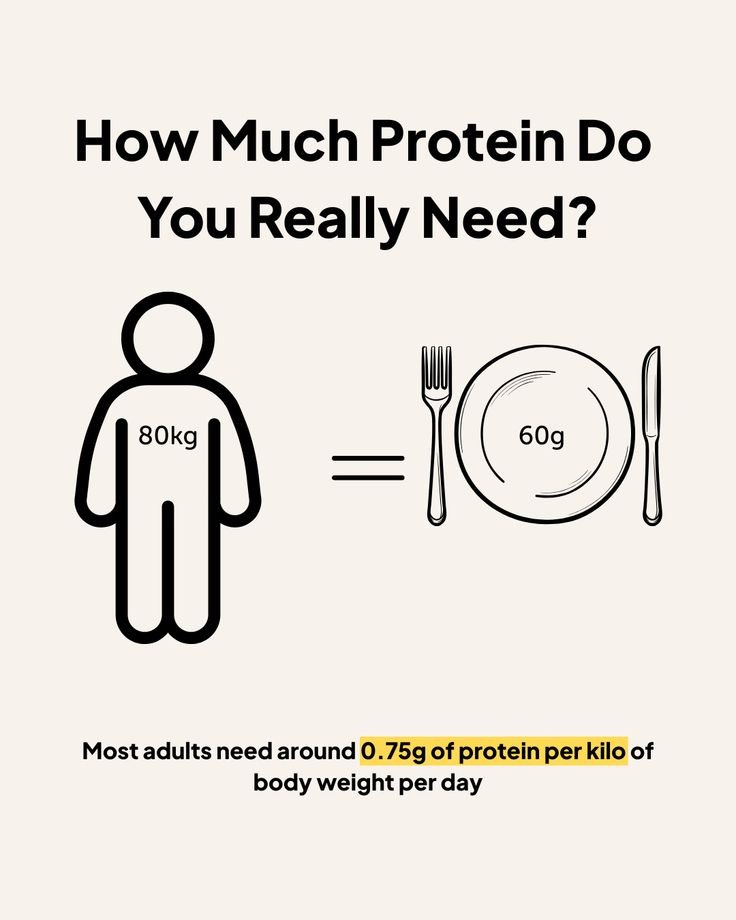
The Recommended Daily Allowance (RDA) for protein is a guideline established by health authorities to ensure adequate protein intake for overall health. According to the Dietary Reference Intakes published by the Institute of Medicine, the RDA for protein is set at 0.8 grams per kilogram of body weight for the average adult. This translates to approximately 46 grams of protein per day for women and about 56 grams for men. However, individual protein needs may vary based on several factors including age, sex, activity level, and overall health.
For instance, athletes or individuals engaging in regular intense physical activity may require more protein to support muscle repair and growth. In such cases, protein recommendations may increase to 1.2 to 2.0 grams per kilogram of body weight. Older adults also have unique protein requirements; studies suggest that higher protein intake may be beneficial for preserving muscle mass and strength as one ages, with some recommendations ranging from 1.0 to 1.2 grams per kilogram.
To calculate personalized protein needs, one should first determine their body weight in kilograms (by dividing weight in pounds by 2.2) and then multiply that figure by the appropriate protein factor based on their activity level and health goals. It’s also essential to consider a variety of food sources to meet protein needs. Common dietary sources include lean meats, poultry, fish, eggs, dairy products, legumes, and nuts. By incorporating a balanced mix of these protein sources, individuals can effectively meet their daily protein requirements and support their overall health.
Potential Risks of Insufficient or Excessive Protein Intake
Protein plays a crucial role in maintaining overall health, and both insufficient and excessive protein intake can lead to significant health implications. Insufficient protein consumption can manifest in various ways, primarily impacting muscle mass, immune function, and overall vitality. When the body lacks adequate protein, it starts to break down muscle tissue to meet its energy requirements, resulting in muscle loss. This can lead to increased frailty, diminished physical strength, and an overall reduction in functional capacity, particularly in older adults.
Moreover, low protein intake can weaken the immune system. Proteins are vital for producing antibodies and immune cells that defend the body against pathogens. If the body does not receive enough protein, it may struggle to mount an effective response to infections, increasing vulnerability to diseases.
On the other hand, excessive protein intake is not without its risks. Consuming protein beyond the body’s needs can place undue strain on the kidneys, especially if it is consistently high and derived from animal sources. The kidneys are responsible for filtering waste products from protein metabolism, and over time, excess protein can lead to an increased burden and potential kidney damage in predisposed individuals. Furthermore, a diet excessively high in protein may lead to nutrient imbalances, as individuals may neglect other macronutrients and micronutrients essential for health, such as carbohydrates and healthy fats.
Ultimately, achieving optimal protein consumption is paramount for health. It is essential to strike a balance, ensuring adequate protein intake to support bodily functions while avoiding the pitfalls of both deficiency and excess. Consulting with healthcare professionals or nutritionists can aid individuals in determining their specific protein needs, tailored to their health status, activity levels, and life stage.

