
Understanding Anxiety and Its Effects
Anxiety is a natural response to stress, serving as a mechanism that alerts us to potential threats or challenges. While it is normal to experience anxiety in response to certain situations, such as public speaking or facing an exam, some individuals encounter anxiety that disrupts their daily lives. This heightened state of worry and fear may evolve into anxiety disorders, which are characterized by persistent and excessive worry that can interfere with normal functioning.
Thank you for reading this post, don't forget to subscribe!Common symptoms of anxiety include restlessness, rapid heartbeat, difficulty concentrating, and sleep disturbances. These symptoms can emerge in various forms, manifesting as generalized anxiety disorder, panic disorder, social anxiety, or specific phobias. The impact of such disorders extends beyond the individual, affecting personal relationships and workplace performance, fostering feelings of isolation and helplessness.
The physiological effects of anxiety on the body can also be significant, leading to symptoms like muscle tension, headaches, and gastrointestinal issues. Understanding the distinction between normal anxiety and clinical anxiety disorders is crucial, as this knowledge influences the approach to management. While occasional anxiety is part of the human experience, persistent feelings that hinder one’s quality of life signify a need for intervention.
Addressing anxiety is essential not only for mental health, but also for overall well-being. Many individuals are seeking natural ways to manage their anxiety, avoiding the side effects associated with medication. Natural management strategies can incorporate practices such as mindfulness, exercise, and dietary adjustments that emphasize holistic approaches to mental health. In recognizing the necessity to address anxiety, one can explore these healthier alternatives, leading to improved coping mechanisms and enhanced quality of life.
Natural Techniques for Managing Anxiety
Anxiety can be effectively managed through various natural techniques that promote relaxation and mindfulness. These methods include mindfulness meditation, yoga, deep breathing exercises, and progressive muscle relaxation. Each technique offers unique benefits and can be easily integrated into daily routines.
Mindfulness meditation is a practice that encourages individuals to focus on the present moment without judgment. By concentrating on breathing or specific thoughts, one can cultivate a sense of peace and tranquility. Numerous studies have demonstrated that engaging in mindfulness meditation regularly can significantly reduce anxiety symptoms. To incorporate this practice, it is recommended to set aside a few minutes daily in a quiet space to meditate, gradually increasing the duration as one becomes more comfortable with the technique.
Yoga combines physical postures, breathing exercises, and meditation to enhance physical and mental well-being. Research indicates that practicing yoga can lower levels of anxiety and improve mood. To start, beginners can enroll in a local class or follow online tutorials, focusing on gentle styles like Hatha or Yin yoga, which emphasize relaxation and stress relief.
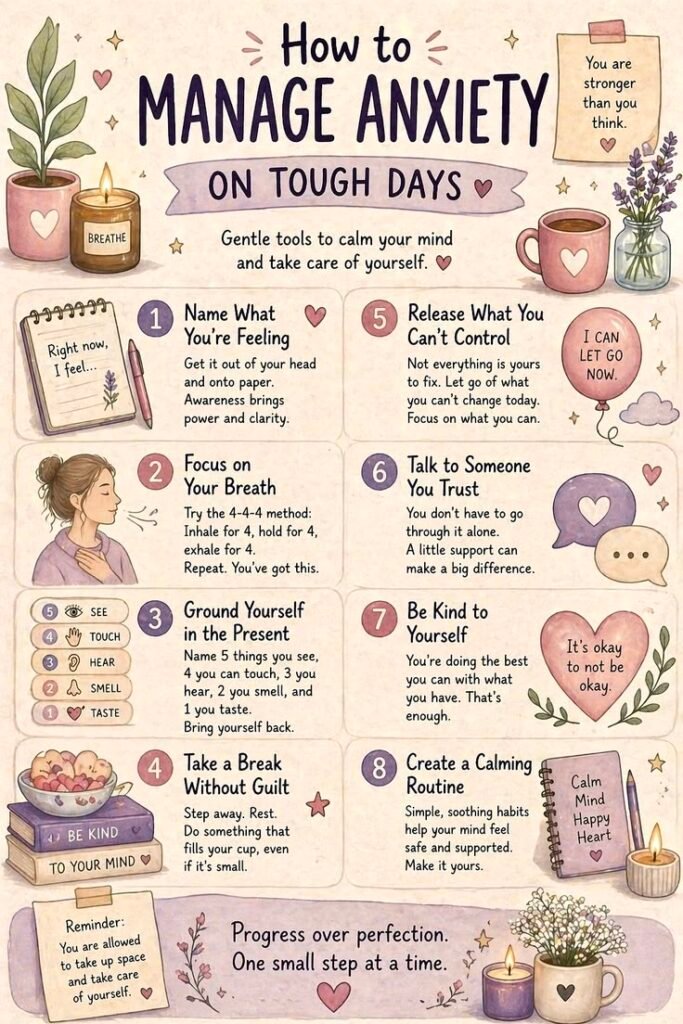
Deep breathing exercises involve taking slow, deep breaths which help to calm the nervous system. This technique is effective in managing acute anxiety episodes. To perform deep breathing, one can inhale deeply through the nose, allowing the abdomen to expand, then exhale slowly through the mouth. Practicing deep breathing for just a few minutes can induce relaxation, making it a valuable tool to use whenever feelings of anxiety arise.
Progressive muscle relaxation is another powerful technique that involves tensing and then relaxing different muscle groups. This method helps to create awareness of physical tension and promotes relaxation. To practice this method, one can systematically work through muscle groups, starting from the toes and moving upwards, focusing on releasing tension. With consistent practice, individuals often find an improvement in their overall sense of well-being.
The Role of Nutrition and Exercise in Anxiety Relief
Nutrition and physical activity significantly influence mental health and play an essential role in managing anxiety. A balanced diet, abundant in nutrients, can contribute positively to mental well-being. Studies suggest that nutrients such as omega-3 fatty acids, B vitamins, and certain minerals, including magnesium and zinc, may help improve brain function and mood. For instance, omega-3 fatty acids found in fatty fish like salmon and walnuts are known for their anti-inflammatory properties and their capacity to modulate mood-regulating neurotransmitters.
Moreover, embracing a diet rich in fruits, vegetables, and whole grains can ensure the intake of necessary vitamins and minerals that support overall brain health. Incorporating various colorfully diverse foods into meal planning can not only enhance physical health but also promote cognitive functioning and mood stabilization. Maintaining stable blood sugar levels through balanced meals can further help individuals regulate their emotions and reduce feelings of anxiety.
In addition to nutrition, regular physical activity is an effective natural method for alleviating anxiety symptoms. Engaging in exercise triggers the release of endorphins, often referred to as “feel-good” hormones, which contribute to an improved mood and feelings of euphoria. Activities such as walking, running, cycling, or participating in yoga can be particularly beneficial. The science behind why exercise helps reduce anxiety lies in its ability to lower stress levels and improve the body’s resilience to challenging situations.
Integrating both a nutrient-rich diet and regular physical exercise can serve as a comprehensive approach to managing anxiety. Opting for consistent physical activity alongside mindful meal planning can create a healthier lifestyle, fostering resilience against the challenges posed by anxiety. By adopting these practices, individuals can cultivate an environment conducive to mental well-being and holistic health.
When to Seek Professional Help and Additional Resources
Anxiety is a common experience that many individuals face at various stages of their lives. However, there are instances when anxiety escalates or becomes chronic, necessitating the need for professional help. It is crucial to identify the signs that suggest the necessity for intervention by a healthcare provider. If anxiety is interfering with daily activities, relationships, or overall well-being, it may be time to consider seeking professional guidance.
Indicators that professional assistance is required may include persistent feelings of worry or fear, difficulty concentrating, physical symptoms such as increased heart rate, and avoidance behaviors that limit participation in everyday activities. Additionally, if self-help strategies and natural methods prove ineffective over an extended period, a comprehensive evaluation from a licensed therapist or psychologist can provide deeper insights into underlying issues.
Healthcare professionals can offer various treatment options, including therapy and medication, tailored to the individual’s needs. Therapy modalities such as cognitive-behavioral therapy (CBT) have demonstrated efficacy in treating anxiety disorders, empowering patients with tools to manage symptoms effectively. Moreover, antidepressants and anti-anxiety medications can be prescribed when appropriate, particularly for moderate to severe cases.
For those seeking further information or support, a plethora of resources exists. Hotlines, such as the National Alliance on Mental Illness (NAMI) Helpline, offer immediate assistance and can connect individuals with local support services. Numerous websites, including Anxiety and Depression Association of America (ADAA) and Mental Health America (MHA), provide valuable literature on anxiety management strategies. These resources can significantly enhance understanding and facilitate access to the necessary care.
In conclusion, while natural strategies can be beneficial in managing anxiety, recognizing when to seek professional help is essential. Balancing self-care with professional advice can lead to a more effective approach to anxiety management, ensuring that individuals receive the support they need to thrive.

