
Understanding the Importance of Meal Prep
Meal preparation, often referred to as meal prep, plays a critical role in fostering a healthy lifestyle, particularly for busy individuals juggling multiple responsibilities. In today’s fast-paced world, where time is often a scarce resource, planning and preparing meals in advance can facilitate better nutritional choices and contribute to overall well-being.
Thank you for reading this post, don't forget to subscribe!One of the most significant advantages of meal prep is the time it saves. When individuals set aside a few hours each week to prepare meals, they are essentially streamlining their cooking process. This can lead to reduced cooking times during the weekdays, allowing for more time to engage in other activities or simply unwind after a long day. Additionally, organizing meals in advance can alleviate the stress of last-minute cooking, which often results in less healthy food choices.
Meal prep also promotes better portion control, an essential factor for those looking to maintain or lose weight. By determining portion sizes in advance and packing meals into individual containers, individuals can more easily manage their caloric intake and resist the temptation to overeat. Furthermore, this practice encourages intentional eating habits, as opposed to mindless snacking or consumption of fast food options when hunger strikes.
Planning meals ahead of time likewise steers individuals toward healthier choices. By creating a structured meal plan that includes a variety of nutritious foods, busy individuals can avoid the convenience of unhealthy options that often arise from a lack of preparation. Meal prepping not only nurtures a diet rich in fruits, vegetables, lean proteins, and whole grains but also instills a sense of accountability towards one’s health goals.
In conclusion, embracing meal prep can lead to significant improvements in nutrition, time management, and overall health for individuals navigating their busy lives. Recognizing the practicality and importance of preparing meals in advance is an essential step towards fostering a sustainable and health-conscious lifestyle.
Quick and Nutritious Meal Prep Ideas
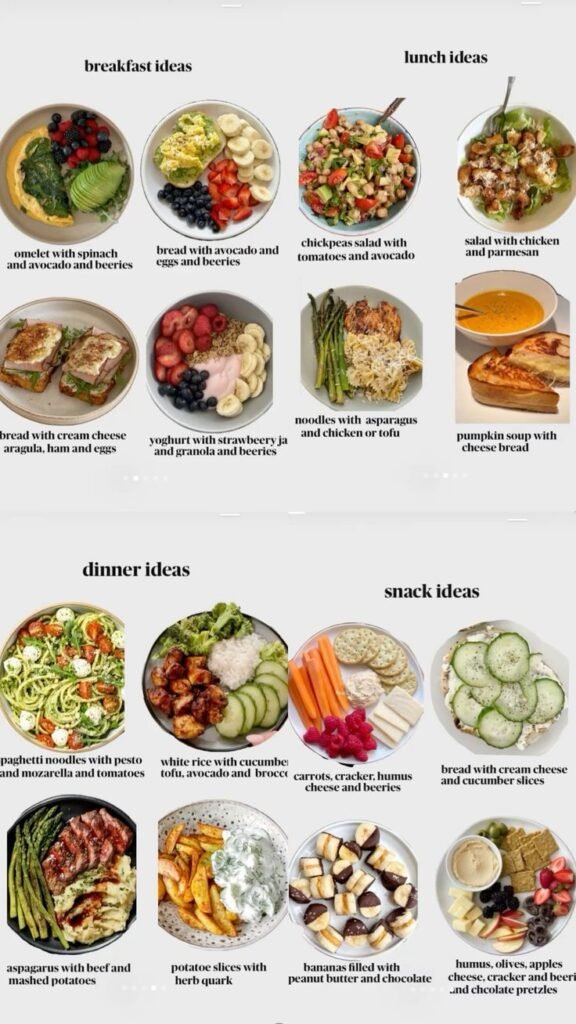
For individuals with busy lifestyles, finding the time to prepare healthy meals can be a challenge. However, with effective meal prep strategies, nutritious meals can be made in advance and enjoyed throughout the week. Below are several meal prep ideas that cater to various dietary preferences and can be prepared rapidly.
Breakfast Options: Overnight oats are an excellent choice for a quick breakfast. Combine rolled oats with milk or a dairy-free alternative, and add toppings such as fruits, nut butter, and seeds. Prepare several jars at once for easy access during the week. Another option includes egg muffins; simply whisk eggs with your choice of vegetables and protein, pour into muffin tins, and bake. These are not only nutritious but also cater to gluten-free diets.
Lunches: Quinoa salad is fantastic for lunch and can be customized to fit any taste. Cook quinoa, then mix in chopped vegetables, beans, and a vinaigrette. This dish is also vegan-friendly. Another quick meal is a wrap using whole grain tortillas, filled with hummus, shredded veggies, and lean protein such as chicken or tofu.
Dinners: Sheet pan dinners are efficient for meal prep; place assorted vegetables and your protein of choice on a baking sheet, drizzle with olive oil and seasonings, then roast. This strategy minimizes cleanup time and provides a well-balanced meal. For vegan preferences, consider a stir-fry using pre-chopped vegetables and tofu, served over brown rice.
Snacks: For quick, healthy snacks, prepare energy balls using oats, nut butter, and honey. These can be made in bulk and stored for convenient consumption. Vegetable sticks paired with hummus or guacamole also serve as nutritious options, providing essential nutrients and fiber.
Essential Meal Prep Tools and Resources
Meal prepping can greatly enhance your ability to maintain a healthy lifestyle, especially for busy individuals. To effectively prepare meals ahead of time, having the right tools and resources is key. There are several essential kitchen gadgets that can streamline the meal prepping process.
First, consider investing in a quality food processor. This versatile appliance can significantly cut down on chopping time for vegetables, fruits, and even proteins. Additionally, a good knife set is crucial for efficiency and safety in the kitchen. Measuring cups and spoons are also important to ensure accurate portion sizes, preventing over-eating and assisting in following recipes precisely.
Storage containers are another critical component of meal prep. Opt for airtight, microwave-safe containers that come in various sizes to accommodate different portion sizes. Glass containers are preferred for their durability and resistance to staining. Furthermore, label makers or masking tape can help you keep track of expiration dates and contents, making organization much simpler.
In addition to physical tools, incorporating technology can significantly enhance your meal prep experience. Various meal prep apps provide meal planning features, grocery lists, and nutritional information to help you stay on track. Some popular options include Mealime, Plan to Eat, and Yummly, which offer customizable meal plans to cater to your dietary needs.
Online communities and social media platforms can also serve as valuable resources for meal prep inspiration. Websites like Pinterest, Instagram, and YouTube feature countless meal prep ideas, from quick recipes to intricate plans that can sustain your dietary goals. Engaging with these online communities can offer motivation, tips, and support from fellow meal preppers. By utilizing these essential tools and resources, you can make meal prepping an efficient and enjoyable part of your routine.
Tips for Staying Consistent with Meal Prep
Maintaining consistency in meal prep can be a challenge, especially for busy individuals balancing multiple responsibilities. One effective strategy is to schedule specific days dedicated to meal preparation. By designating time each week, perhaps on the weekend, individuals can streamline their grocery shopping and cooking processes. This routine helps to establish a habit, turning meal prep into a natural part of one’s weekly schedule.
Involving family members can also enhance the meal prep experience. When everyone participates in preparing healthy meals, it not only distributes the workload but also fosters a sense of teamwork. Assigning tasks—such as chopping vegetables, marinating proteins, or portioning meals—can make the process more engaging and enjoyable. Additionally, cooking together offers a valuable opportunity for family members to learn about nutritious eating and cooking techniques.
Creating a meal prep calendar can also be beneficial. By planning out meals for the week and noting the required ingredients, busy individuals can reduce the decision fatigue that often accompanies meal planning. This calendar can serve as a visual reminder of what needs to be prepped, making it easier to stay on track. Moreover, consistency may also stem from refining meal prep practices over time. As one discovers what meals work best considering taste preferences and time constraints, adjustments can be made for greater efficiency.
Lastly, it is essential to be flexible and adapt meal prep strategies as needed. Life can be unpredictable, and schedules may change. By staying open to adjusting meal choices or prep routines, individuals can maintain commitment to their health goals while ensuring that they are attainable amidst a busy lifestyle.

