
Understanding Healthy Fats
Healthy fats play a crucial role in maintaining overall health and facilitating effective weight management. Unlike unhealthy fats, which can contribute to various health problems, healthy fats support essential bodily functions. The main types of healthy fats include monounsaturated and polyunsaturated fats, often found in foods such as avocados, olive oil, nuts, seeds, and fatty fish.
Thank you for reading this post, don't forget to subscribe!Monounsaturated fats are particularly beneficial as they can help reduce bad cholesterol levels, thus lowering the risk of heart disease. Foods rich in these fats, such as avocados and almonds, not only provide essential fatty acids but also offer a variety of vitamins and minerals essential for optimal health. On the other hand, polyunsaturated fats, which include omega-3 and omega-6 fatty acids, are vital for brain function and will help reduce inflammation in the body. Fatty fish like salmon, as well as walnuts and flaxseeds, are excellent sources of these healthy fats.
In contrast, unhealthy fats, such as trans fats and saturated fats, can have detrimental effects on health. Trans fats, often found in processed and fried foods, are linked to an increased risk of heart disease and should be limited in one’s diet. Saturated fats, typically found in red meat and full-fat dairy products, should also be consumed in moderation to avoid negative health impacts.
By incorporating healthy fats into your daily diet, you can support your body’s fat-burning potential. Healthy fats not only provide a feeling of satiety, which aids in controlling hunger and facilitating portion control, but they also contribute to the absorption of fat-soluble vitamins, enhancing overall nutrient intake. Therefore, making informed choices about the types of fats consumed is essential for maintaining a balanced and healthful diet.
Top Fat-Burning Foods to Include in Your Diet
Incorporating fat-burning foods into your daily meals can significantly aid in achieving weight loss and maintaining a healthy lifestyle. Here are some of the top foods supported by scientific research that can boost your metabolism and help burn fat more effectively.
Salmon: Rich in omega-3 fatty acids, salmon not only promotes heart health but also supports fat loss by enhancing metabolic rate. This fish is a high-quality protein source, which can keep you feeling full for longer. Grilling or baking salmon with herbs and lemon is a flavorful way to include it in your diet.
Greek Yogurt: Greek yogurt is loaded with protein and probiotics. Its high protein content can increase feelings of fullness and reduce overall calorie intake. Additionally, probiotics may help regulate weight by enhancing gut health. Enjoy Greek yogurt as a stand-alone snack or incorporate it into smoothies for added creaminess.
Green Tea: Green tea is renowned for its fat-burning properties, attributed to the presence of catechins and caffeine. Research indicates that green tea can enhance metabolic rate and promote fat oxidation during exercise. Drinking a cup of green tea daily or incorporating it into a refreshing iced beverage can be beneficial.
Spicy Foods: Incorporating foods such as chili peppers into your meals can accelerate fat burning. Capsaicin, the active compound in peppers, can boost metabolism and help you burn more calories. Adding chopped chilies to dishes or enjoying spicy salsa can enhance both flavor and fat-burning potential.
Adding these items to your diet not only aids in fat burning but also provides essential nutrients necessary for overall health. Consider diverse preparations and combinations to maximize their benefits while maintaining an enjoyable eating experience.
Daily Meal Plan Incorporating Fat-Burning Foods
A well-structured meal plan can significantly enhance your efforts in incorporating fat-burning foods into your daily routine. Below is a sample daily meal plan that includes nutritious options designed to stimulate fat loss and promote overall health.
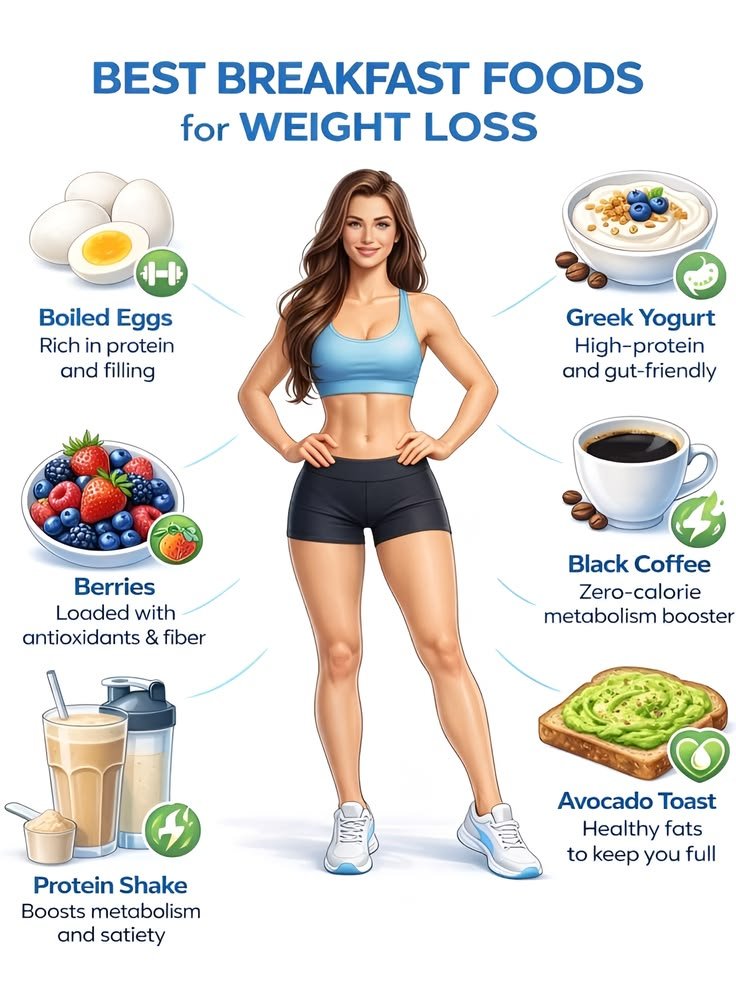
Breakfast: Start your day with a hearty breakfast that includes a spinach and mushroom omelet cooked in olive oil. Pair it with a slice of whole-grain toast and half an avocado. This combination of healthy fats, fiber, and protein will kickstart your metabolism and keep you satiated.
Morning Snack: Opt for a small portion of Greek yogurt topped with mixed berries and a sprinkle of chia seeds. Greek yogurt is an excellent source of protein, while berries provide antioxidants and fiber, making this snack both nutritious and satisfying.
Lunch: For lunch, consider a salad featuring grilled chicken, mixed greens, cherry tomatoes, and a dressing made from olive oil and balsamic vinegar. Add quinoa or chickpeas to provide additional protein and fiber, which will further help in fat burning and keeping you full.
Afternoon Snack: A handful of raw almonds or walnuts can serve as a perfect afternoon snack. These nuts are high in healthy fats and protein, making them a great choice for curbing hunger while supporting fat metabolism.
Dinner: Conclude your day with a baked salmon fillet seasoned with herbs and served alongside steamed broccoli and sweet potatoes. Both salmon and sweet potatoes are rich in essential nutrients and healthy fats that support the body’s fat-burning processes.
Cooking Tips: When preparing these meals, opt for cooking methods such as grilling, baking, or steaming rather than frying. This ensures that you retain the health benefits of the ingredients without adding unnecessary calories. Additionally, pay attention to portion sizes, keeping your protein between 3-4 ounces per meal and filling half your plate with vegetables.
By following this meal plan and incorporating healthy fat-burning foods, you can create a sustainable and enjoyable diet that supports your wellness objectives.
Adjusting Your Lifestyle for Optimal Results
Incorporating healthy fat-burning foods into your diet is a commendable step towards achieving and maintaining a healthy weight. However, to truly optimize the fat-burning benefits, it is essential to adjust your lifestyle accordingly. This entails embracing regular physical activity, ensuring proper hydration, and practicing mindful eating.
Regular exercise not only helps burn calories but also increases muscle mass, which can enhance metabolic rate and promote fat loss. Engaging in a mix of aerobic activities, like jogging or swimming, and strength training can significantly support fat metabolism. Establishing a routine that includes at least 150 minutes of moderate aerobic activity each week, paired with strength exercises twice a week, creates a conducive environment for the action of fat-burning foods in your body.
Hydration is another critical factor that often gets overlooked. Drinking an adequate amount of water can aid in digestion, help control appetite, and support metabolic processes. Aim to drink at least eight 8-ounce glasses of water daily, and consider increasing your intake if you are physically active or live in a hot climate. Water-rich foods, such as fruits and vegetables, not only contribute to daily hydration but also pack additional nutrients and fiber that are beneficial for burning fat.
Mindful eating enhances the overall experience of consuming fat-burning foods. It encourages individuals to pay attention to hunger cues, savor their meals, and make healthier choices. Being aware of portion sizes and selecting whole, unprocessed foods over processed options can significantly contribute to a sustainable eating pattern conducive to attaining health goals.
Finally, consistency is key to making healthy fat-burning foods a regular part of your diet. Gradually incorporating these foods into your meals helps in building long-term health habits. When combined with the right lifestyle adjustments, the consumption of fat-burning foods can lead to enhanced well-being and successful weight management.

