
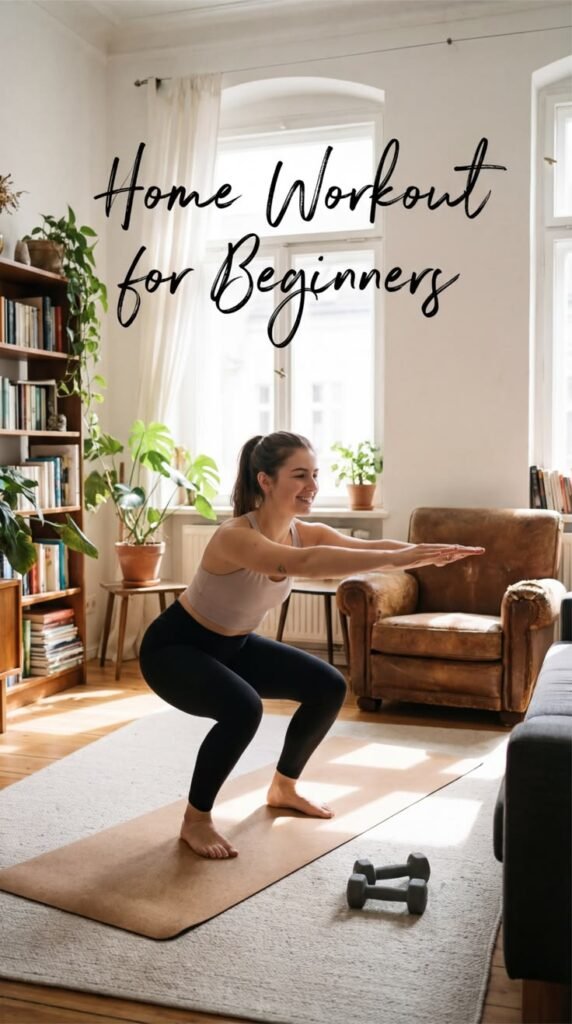
The Benefits of Working Out at Home
Working out at home offers numerous advantages that make it an appealing option for individuals aiming to maintain or improve their fitness levels. One of the most significant benefits is convenience. Unlike traditional gym settings, home workouts allow individuals to exercise at their own pace and on their own schedule, eliminating travel time and the pressure of adhering to gym hours. This flexibility makes it easier to integrate fitness into a busy lifestyle, catering to those with demanding work commitments or family obligations.
Thank you for reading this post, don't forget to subscribe!Additionally, exercising at home can lead to significant cost savings. Gym memberships often include hefty monthly fees and additional expenses for classes or personal training. In contrast, working out at home requires minimal investment, as many effective workouts can utilize bodyweight exercises or inexpensive equipment like dumbbells or resistance bands. This financial benefit makes fitness accessible to a broader audience, regardless of their economic situation.
Another key benefit of home workouts is the ability to customize fitness routines. Individuals can tailor their exercise programs to meet personal preferences, fitness levels, and specific goals. This customization encourages individuals to try new workouts that resonate with them and fosters a sense of ownership over their health journey. Moreover, exercising in the comfort of one’s home provides a psychological advantage by creating a relaxed environment, which can lead to improved motivation and consistency. Many find they are less intimidated and more comfortable while working out in their own space, leading to enhanced performance and progress.
Overall, working out at home is a flexible, cost-effective, and customizable approach to fitness that aligns well with modern lifestyle demands, promoting both physical and mental well-being.
Easy Workouts for Beginners
Beginning a fitness journey can often feel daunting, especially for those who are new to exercising at home. However, incorporating easy workouts into a daily routine can help ease this transition and build confidence. Home workouts require minimal equipment and can effectively assist beginners in developing strength, flexibility, and overall fitness.
One of the most accessible forms of beginner workouts is bodyweight exercises. Simple movements like push-ups, squats, and lunges allow individuals to use their own body weight to build strength without the need for heavy weights. For example, performing three sets of 10 squats can target the major muscle groups in the legs and glutes. Additionally, wall pushes can be an easier alternative to standard push-ups, making them a suitable option for those just starting.
Another key element of a beginner’s workout routine is stretching. Incorporating stretching into each session assists with flexibility and helps to prevent injuries. Simple stretches such as the standing hamstring stretch or the butterfly stretch can be performed for at least 15-30 seconds each to enhance muscle recovery and joint health.
For those who prefer a slightly more guided experience, incorporating minimal equipment such as resistance bands or dumbbells can augment a bodyweight training regimen. Resistance bands are particularly effective for beginners, offering varying resistance levels to cater to individual strengths. Utilizing these bands for exercises like bicep curls and tricep extensions can enhance toning and muscle endurance.
Ultimately, the goal of these easy workouts is to establish a routine that encourages consistency and enjoyment. By focusing on manageable exercises that fit within individual fitness levels, beginner workouts can pave the way for ongoing health and wellness journeys.
Intermediate and Advanced Home Workouts
As individuals progress in their fitness journey, their workout routines must evolve to continue promoting strength, endurance, and overall physical well-being. Intermediate and advanced home workouts offer opportunities for individuals to challenge themselves while remaining within the comfort of their own space. These workouts can include a variety of intensity-boosting strategies that shape a well-rounded fitness program.
Incorporating complex movements such as burpees, squat jumps, or kettlebell swings can effectively elevate the workout’s intensity. Circuit training is an excellent method to implement for those seeking to increase their physical challenge. This involves performing a series of exercises in succession with minimal rest, thus promoting cardiovascular fitness along with muscle strength. Arranging exercises in a high-intensity sequence will help engage different muscle groups while keeping the heart rate elevated.
Another effective workout style for an at-home regime is High-Intensity Interval Training (HIIT). HIIT consists of alternating between short periods of intense exercise followed by recovery phases. For example, an individual may sprint for 30 seconds followed by 30 seconds of light jogging or rest. This approach not only enhances aerobic capacity but also maximizes calorie burn in a shortened time frame, making it incredibly efficient for busy schedules.
While pushing one’s limits during more advanced workouts, it is crucial to prioritize safety and form. Exercises should be performed with proper technique to avoid injuries. Implementing rest days and varied routines can optimize recovery, prevent burnout, and ensure that sustainable progress is achieved.
Overall, individuals looking to enhance their fitness regime at home can greatly benefit from exploring intermediate and advanced workouts, incorporating elements of circuit training and HIIT while ensuring a foundation of safety and proper form.
Staying Motivated: Tips for Consistency
Staying motivated while working out at home can be challenging, but with the right strategies, it is possible to maintain a consistent fitness routine. One effective approach is to set realistic and achievable goals. By establishing specific targets, such as exercising three times a week for 30 minutes, individuals can create a clear pathway for success. This sense of direction encourages accountability and fosters a feeling of accomplishment as goals are met.
Another important factor is to track progress regularly. Maintaining a fitness journal or utilizing apps can help individuals visualize their journey. Recording workout sessions, noting any changes in physical appearance or stamina, and celebrating small victories can provide the motivation needed to keep pushing forward. Awareness of progress often ignites an intrinsic desire to continue improving.
Incorporating variety into workout routines is also crucial. Repeating the same exercises can lead to boredom, making it easier to lose motivation. To counteract this, experiment with different workout types, such as yoga, strength training, or dance. Additionally, participating in virtual classes can be an exciting way to introduce new forms of exercise while staying connected with instructors and fellow fitness enthusiasts.
Finally, finding support from a fitness community can greatly enhance one’s dedication to a home workout regimen. Engaging with others through social media groups, fitness forums, or even local workout challenges creates a sense of belonging and accountability. Sharing experiences and encouraging one another can provide a significant boost to motivation levels.
In conclusion, by setting realistic goals, tracking progress, adding variety to workouts, and seeking support, individuals can cultivate a sustainable fitness habit in the comfort of their homes.

