
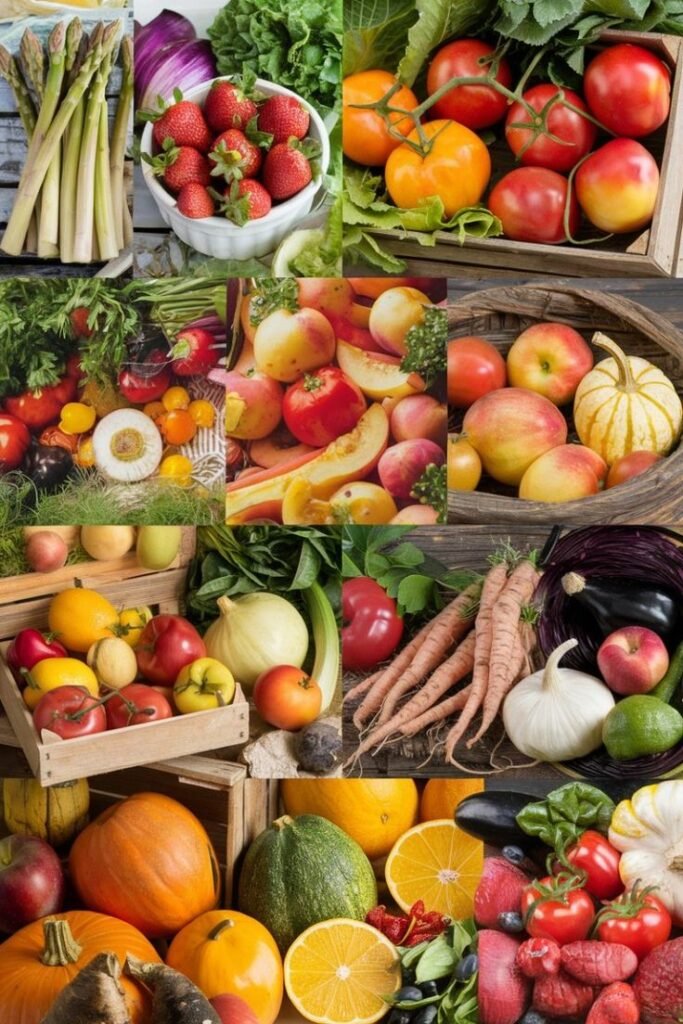
Understanding Seasonal Produce
Seasonal fruits and vegetables refer to crops that are cultivated and harvested during specific times of the year based on their ideal growing conditions. The concept of seasonality in agriculture varies significantly by geographical location due to differences in climate, soil types, and local farming practices. For instance, while strawberries may be in season during the late spring and early summer in temperate climates, in warmer regions, they can be available nearly year-round. This variance highlights the importance of considering local agricultural cycles when discussing seasonal produce.
Many fruits and vegetables have particular growing cycles that dictate when they can be harvested for optimal flavor and nutritional value. These cycles are influenced by temperature, rainfall, and sunlight, which are inherently tied to seasonal changes. For example, root vegetables like carrots and beets typically thrive in cooler conditions and are often harvested in the fall. Conversely, crops such as tomatoes and peppers prefer warmer temperatures, making summer the prime time for their harvest.
The natural growing cycles of crops not only affect their availability in markets but also play a crucial role in promoting sustainable agricultural practices. By consuming seasonal produce, consumers can support local farmers who may prioritize growing food that is best suited to their regional environment. In turn, this promotes biodiversity and helps preserve local ecosystems. Additionally, seasonal fruits and vegetables are usually fresher and more flavorful, as they are typically harvested at peak ripeness and do not require long transportation times. This freshness not only enhances the taste but also ensures higher nutritional content, making seasonal produce a beneficial choice for health-conscious consumers.
Nutritional Benefits of Seasonal Eating
Consuming fruits and vegetables in their peak season offers numerous nutritional advantages that contribute positively to overall health. Seasonal produce is typically harvested at the height of ripeness, which allows it to develop optimal flavor and nutrient profiles. This freshness often means that seasonal fruits and vegetables are more nutrient-dense than their off-season counterparts. For instance, they usually contain higher levels of vitamins, minerals, and antioxidants, vital for maintaining various bodily functions.
The importance of consuming nutrient-rich foods cannot be overstated. Fruits and vegetables provide essential nutrients such as vitamin C, potassium, fiber, and folate, which play crucial roles in health, from boosting the immune system to improving digestive health. When produce is eaten at its peak, it retains more of these nutrients compared to items that are picked early and stored for extended periods. Store-bought fruits and vegetables often lose their nutrient content during transportation and storage, diminishing their health benefits.
Moreover, seasonal eating can enhance the overall dining experience due to the enhancement in taste. Ripe fruits and vegetables have a rich flavor that is unparalleled, which can lead to increased enjoyment of healthy meals. A flavorful dish can often encourage more frequent consumption of fruits and vegetables, supporting a well-rounded diet. Therefore, selecting seasonal options can not only improve health outcomes by providing abundant nutrients but also promote a more enjoyable eating habit.
Incorporating a variety of seasonal produce into the diet is an excellent way to ensure a wide array of nutrients is being consumed. Different fruits and vegetables are harvested at various times of the year, providing opportunities for diverse meal preparations. By understanding the nutritional benefits of seasonal eating, individuals can make informed choices that contribute to long-term health and wellness.
Economic and Environmental Impact
Choosing seasonal fruits and vegetables brings significant economic benefits, particularly by supporting local farmers and agricultural communities. When consumers prioritize seasonal produce, they contribute directly to the local economy, enabling farmers to thrive without resorting to expansive transportation networks that often accompany out-of-season items. By buying locally sourced products, consumers help reduce the financial strain on farmers, leading to a more sustainable agricultural system.
Moreover, seasonal produce is often less expensive than out-of-season alternatives. The cost savings stem from reduced transportation expenses and the avoidance of import tariffs associated with non-seasonal goods. Foods that do not require long-distance shipping are not only cheaper but also fresher and tastier. This economic dynamic promotes the purchase of locally grown fruits and vegetables, reinforcing the viability of local farming initiatives.
From an environmental perspective, the benefits of consuming seasonal produce are equally noteworthy. Transportation of produce over long distances contributes significantly to greenhouse gas emissions, leading to a higher carbon footprint. When individuals select in-season items that can be harvested nearby, they minimize the energy required for transportation, consequently lowering their environmental impact. Additionally, fruits and vegetables that are grown out of season often rely on artificial preservatives and chemicals to maintain their appearance and freshness. By opting for seasonal options, consumers are steering clear of products laden with such additives, which can have negative health implications.
Moreover, when communities engage in seasonal eating, they promote biodiversity by diversifying crop production across different times of the year. Supporting local farmers and seasonal produce helps maintain a balance in the ecosystem, enhancing the resilience of local food systems. In conclusion, the combined economic and environmental advantages of choosing seasonal fruits and vegetables make a compelling case for consumers to consider their choices carefully.
Practical Tips for Incorporating Seasonal Foods
Integrating seasonal fruits and vegetables into your daily diet can enhance both the flavor and nutritional value of your meals. To begin, consider meal planning according to the seasons. This method not only ensures that you’re consuming the freshest produce available, but also allows you to take advantage of the unique flavors that different times of the year offer. For instance, during the summer, you might plan meals around tomatoes, zucchini, and peaches, while winter could see a focus on root vegetables and citrus fruits.
Shopping for seasonal produce can significantly impact both your health and your wallet. Local farmer’s markets are an excellent resource for fresh, seasonal fruits and vegetables. Visiting these markets can provide insight into what is currently in season in your area, allowing you to select items that are at their peak freshness. Moreover, supporting local farmers can foster a strong sense of community and promote sustainable agricultural practices.
When you head to the store or market, aim to buy items that are vibrant in color and firm to the touch. These indicators often signify ripeness and maximal flavor. Consider mixing seasonal produce into your recipes, such as adding sliced strawberries to salads in the spring or incorporating butternut squash into soups during the fall months. Engaging with seasonal cooking can be a delightful experience, as it allows for creativity in the kitchen.
To ease the transition to a diet rich in seasonal produce, try experimenting with new recipes. For example, consider a refreshing summer salad featuring tomatoes, cucumbers, and basil, or a hearty winter stew that utilizes root vegetables and legumes. By consciously including seasonal foods in your meals, you’ll not only improve your health but also deepen your appreciation for the culinary variety nature has to offer throughout the year.