Understanding the Importance of Nutrition After 40
As individuals reach the age of 40, significant changes in nutritional needs can be observed due to the natural aging process. These changes influence not only general health but also specific aspects such as metabolism, body composition, and the risk of chronic diseases. To maintain optimal health as you age, understanding the importance of a balanced diet becomes essential.
Metabolism often begins to slow down after 40, which can lead to weight gain and various health challenges. A nutrient-dense diet plays a crucial role in supporting metabolic function. It is advisable to focus on consuming fewer calories while ensuring adequate intake of essential nutrients. This includes prioritizing foods rich in vitamins, minerals, and antioxidants, which can help combat the oxidative stress that accumulates with age.
Among the vital nutrients for individuals over 40, fiber stands out as particularly important. A high-fiber diet aids digestion and promotes gut health, which can mitigate the risk of developing gastrointestinal complications. Furthermore, calcium becomes a critical component for maintaining bone density, especially in women who are post-menopausal, as their risk for osteoporosis increases. Regular inclusion of calcium-rich foods, such as dairy products, leafy greens, and fortified alternatives, can help maintain skeletal health.
Additionally, omega-3 fatty acids are essential for heart and brain health. Found abundantly in fatty fish, flaxseeds, and walnuts, these fatty acids contribute to reducing inflammation and supporting cognitive functions. As such, incorporating sources of omega-3s into the diet can have long-term benefits.
In summary, after the age of 40, nutritional requirements shift significantly. Emphasizing a balanced diet that includes the right proportions of fiber, calcium, and omega-3 fatty acids is crucial for maintaining health, enhancing metabolism, and preventing chronic diseases. By being mindful about nutrition, individuals can effectively support their well-being as they age.
Simple Tips for Adopting Healthy Eating Habits
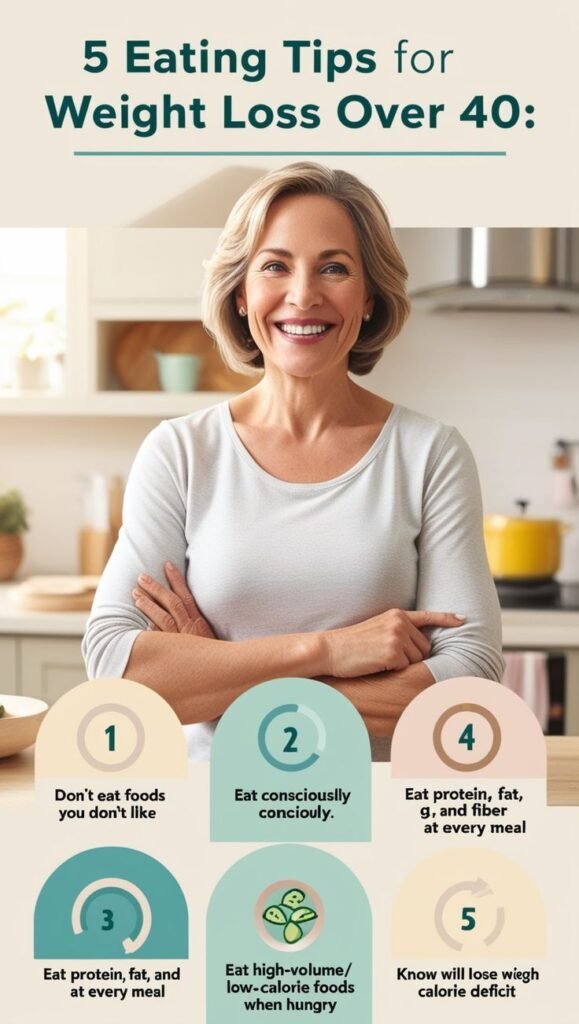
Transitioning to healthier eating habits can seem daunting, especially for beginners over 40. However, gradual implementation of simple strategies can facilitate this shift without overwhelming individuals. One of the most effective approaches is meal planning, which not only saves time but also helps in making conscious decisions about food choices. When planning meals, aim to incorporate a variety of fruits, vegetables, whole grains, and lean proteins. Keeping a diverse menu can prevent monotony and encourage exploration of different nutritious foods.
Portion control is another critical aspect of healthy eating. As metabolism changes with age, understanding appropriate portion sizes becomes crucial. Utilizing tools such as measuring cups, a food scale, or even hand size as a guide can help in maintaining sensible portions. Start by serving smaller amounts on plates and allowing seconds only if still hungry, promoting a mindful approach to eating.
Additionally, learning to read nutrition labels effectively plays a significant role in making informed dietary choices. Pay close attention to serving sizes, calorie content, and key nutrients such as fiber, sugars, and fats. Familiarizing oneself with the nutritional content of packaged foods can facilitate smarter choices and discourage purchasing unhealthy options.
Another important tip is to set achievable goals. Instead of attempting a complete dietary overhaul overnight, focus on small, manageable changes. Perhaps start by adopting one or two healthy habits each week, such as incorporating a serving of vegetables into each meal or replacing sugary drinks with water. Over time, these incremental changes can lead to significant improvements in overall health and well-being.
Creating a support system can also aid in the journey towards healthier eating. Involving family or friends in meal planning and preparation can lead to shared accountability and motivation. Joining classes or online groups focused on healthy eating can provide continuous encouragement and valuable insights.
Incorporating More Whole Foods Into Your Diet
Whole foods are unprocessed and close to their natural state, making them a cornerstone of a healthy diet, especially for individuals over 40. Incorporating whole foods into your diet can provide various health benefits, such as improved digestion, weight management, and enhanced energy levels. Unlike processed foods, which often contain added sugars, unhealthy fats, and preservatives, whole foods offer a wealth of essential nutrients that support overall health.
Examples of whole food choices include a variety of fruits, vegetables, whole grains, nuts, and seeds. These foods are rich in vitamins, minerals, fiber, and antioxidants that play a vital role in maintaining optimal health as one ages. For instance, leafy greens like spinach and kale are excellent sources of vitamins K and A, while berries are packed with antioxidants that can protect against age-related decline. Whole grains, such as quinoa, brown rice, and oats, provide sustained energy and support heart health.
To make meals more nutritious and satisfying, it is crucial to focus on integrating these whole foods into daily meals. One can begin by replacing processed snacks with raw nuts or fresh fruits, which are not only healthier but also more filling. Incorporating a variety of colorful vegetables into salads and stir-fries can enhance both the visual appeal and nutrient density of meals. Additionally, cooking grains in vegetable broth or pairing them with legumes like beans or lentils can increase flavor and health benefits.
Another effective strategy is to plan meals around whole foods. Instead of centering meals around meat or highly processed sides, consider building a dish starting with a base of whole grains or vegetables. This not only enhances the meal’s nutritional profile but also cultivates a habit of mindful eating. By making small changes and gradually incorporating more whole foods, individuals over 40 can experience significant improvements in their health and well-being.
Overcoming Common Challenges to Healthy Eating After 40
Embarking on a journey toward healthier eating after 40 can present unique challenges. Many individuals encounter obstacles such as busy lifestyles, emotional eating habits, and a resistance to change, which can hinder progress toward better nutrition. Recognizing these barriers is the first step in overcoming them.
Busy lifestyles are often cited as a significant barrier to healthy eating, especially for those over 40 who may be balancing careers, family obligations, and other commitments. Meal prepping is an effective strategy to tackle this issue. By dedicating time on weekends to prepare healthy meals and snacks, individuals can ensure that nutritious options are readily available throughout the week. This not only saves time but also reduces the temptation to resort to quick, unhealthy choices.
Another common obstacle is emotional eating, which can stem from stress, anxiety, or even boredom. It is crucial to identify triggers that lead to unhealthy eating patterns. Practicing mindful eating can help individuals develop a better relationship with food. This approach encourages paying attention to hunger cues and savoring meals, which can reduce emotional eating tendencies and promote healthier choices.
Resistance to change is also a frequent challenge faced by those wishing to improve their diets. It can be beneficial to approach dietary changes gradually. Rather than overhauling one’s entire diet at once, making small, manageable adjustments can lead to lasting changes. Incorporating more fruits and vegetables, choosing whole grains, and reducing processed foods are all steps that can be introduced incrementally.
Social support plays a vital role in maintaining a healthy eating plan. Joining cooking classes, health clubs, or online forums can provide encouragement and accountability. Sharing goals and celebrating successes with friends or like-minded individuals can foster a positive mindset surrounding healthy eating.
Addressing these common challenges is crucial for those over 40 seeking to adopt healthier eating habits. By implementing strategies such as meal prepping, becoming mindful of emotional triggers, making gradual changes, and seeking social support, individuals can successfully navigate their path to improved nutrition.