
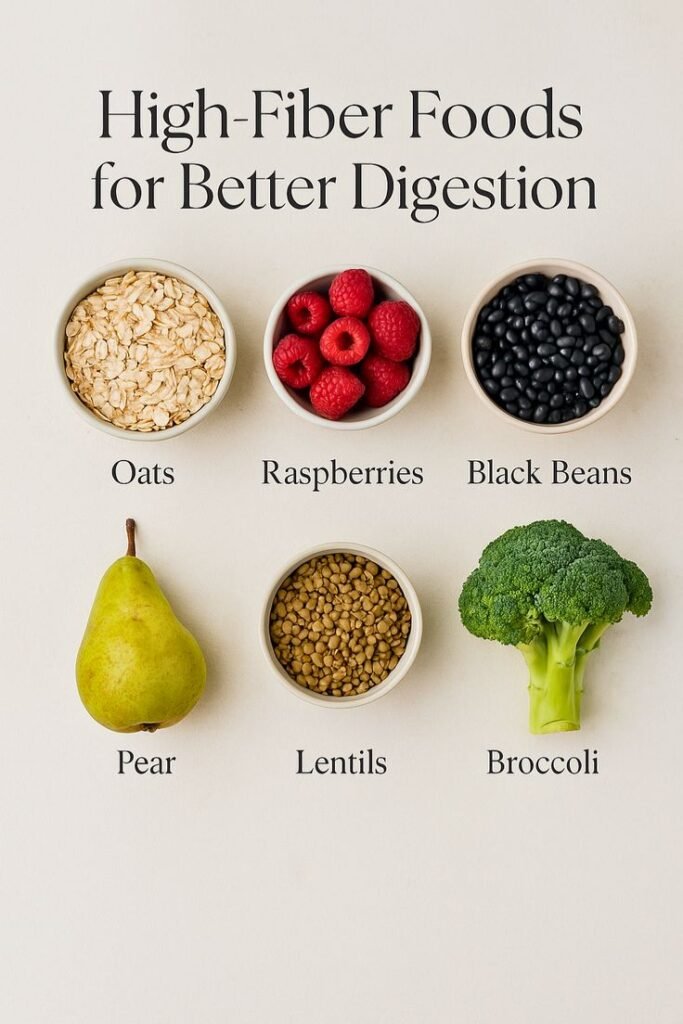
Understanding Fiber and Its Importance
Dietary fiber, a crucial component of a balanced diet, is derived primarily from plant-based foods. It consists of the indigestible parts of carbohydrates that our bodies cannot break down, which makes it essential for various physiological processes. There are two main types of dietary fiber: soluble and insoluble. Soluble fiber dissolves in water, forming a gel-like substance that can help lower cholesterol levels and stabilize blood sugar. Foods rich in soluble fiber include oats, beans, and certain fruits such as apples and citrus.
In contrast, insoluble fiber does not dissolve in water and adds bulk to the digestive system, helping to promote regular bowel movements. Whole grains, nuts, and vegetables are primary sources of insoluble fiber. Incorporating both types of fiber into your diet is vital for maintaining optimal health.
The benefits of dietary fiber extend beyond simple digestion. Adequate fiber intake is associated with improved digestive health, as it helps to prevent constipation and is linked to a lower risk of developing gastrointestinal conditions. Additionally, fiber plays a significant role in weight management by promoting satiety, making individuals feel fuller for longer, which can lead to reduced calorie intake.
Moreover, numerous studies suggest that a high-fiber diet may reduce the risk of developing chronic diseases, such as heart disease, diabetes, and certain cancers. By promoting heart health and stabilizing blood sugar levels, dietary fiber contributes significantly to overall health and well-being. It is clear that understanding the types and functions of fiber is essential for anyone looking to enhance their nutritional intake and improve their health outcomes.
Top Fiber-Rich Foods to Incorporate
Incorporating fiber-rich foods into your daily meals can significantly contribute to a healthy diet. Fiber is essential for digestive health, can help maintain a healthy weight, and may lower cholesterol levels. Below is a categorized list of foods that are high in fiber, along with tips on how to include them in your diet.
Fruits
Fruits are a tasty way to boost fiber intake. Some of the top choices include:
- Raspberries: One cup contains about 8 grams of fiber.
- Avocado: A medium avocado offers around 10 grams of fiber.
- Pears: One medium pear packs 5 to 6 grams of fiber.
To add these fruits to your diet, consider having a serving as a snack, blending them into smoothies, or adding them to salads.
Vegetables
Many vegetables are excellent sources of fiber such as:
- Broccoli: One cup contains approximately 5 grams of fiber.
- Carrots: Raw carrots provide about 1.5 grams per medium carrot.
- Brussels Sprouts: One cup offers around 4 grams of fiber.
Integrate vegetables into your meals by steaming, roasting, or adding them to soups and stir-fries, making it simple to enhance your fiber content.
Legumes
Legumes are among the richest sources of fiber. Options include:
- Lentils: One cup cooked provides around 15.6 grams of fiber.
- Black Beans: One cup cooked yields approximately 15 grams of fiber.
- Chickpeas: One cup provides about 12.5 grams of fiber.
Adding legumes to salads, soups, or as a main dish can significantly increase your fiber intake.
Whole Grains
Opting for whole grains adds substantial fiber to your meals. Consider incorporating:
- Oats: A cup of cooked oats has about 4 grams of fiber.
- Quinoa: One cup cooked offers about 5 grams of fiber.
- Whole Wheat Bread: Two slices provide around 4 grams of fiber.
Use whole grains in place of refined options to boost fiber in your diet.
Nuts and Seeds
Nuts and seeds not only provide healthy fats but are also good fiber sources. Examples include:
- Chia Seeds: One ounce contains about 10 grams of fiber.
- Almonds: A one-ounce serving provides about 3.5 grams of fiber.
- Flaxseeds: One ounce contains around 8 grams of fiber.
Incorporate these into smoothies, yogurts, or as a snack to further enhance your fiber intake.
Practical Tips for Increasing Fiber Intake
Increasing your daily fiber intake can be easily achieved through practical strategies that can be seamlessly integrated into your everyday routine. One fundamental approach is to plan your meals around high-fiber foods. Incorporating a variety of fruits, vegetables, legumes, and whole grains into your meals can significantly enhance fiber consumption. For example, when preparing breakfast, consider swapping out traditional cereals for oatmeal or adding chia seeds to smoothies. These foods not only provide fiber but also deliver essential nutrients that contribute to overall health.
Another effective strategy is smart grocery shopping. When navigating the grocery store, make it a point to choose whole grain versions of breads, pasta, and rice instead of their refined counterparts. It can be helpful to read nutrition labels to identify products that are high in fiber, typically those containing 3 grams of fiber or more per serving. Additionally, stocking up on canned beans or lentils can be a convenient way to add fiber-rich ingredients to salads, soups, or stews, ensuring that you have easy access to nutritious options at any meal.
Snacks also present an excellent opportunity to boost fiber consumption throughout the day. For instance, replacing conventional snack options with healthier, fiber-packed alternatives can make a significant difference. Consider snacking on raw vegetables with hummus, whole fruit, or air-popped popcorn instead of processed snacks that offer little to no fiber. Nuts and seeds are also great options that not only provide fiber but healthy fats as well. By integrating these strategies into your daily life, you can effectively enhance your fiber intake while enjoying a diverse and flavorful diet.
Potential Challenges and Solutions
Increasing daily fiber intake can present several challenges for individuals, especially if they are not accustomed to a high-fiber diet. One common issue is digestive discomfort, which may manifest as bloating, gas, or cramping, particularly when fiber intake is increased too rapidly. This discomfort occurs because the digestive system needs time to adjust to the additional fiber, particularly soluble and insoluble fibers that act differently during digestion.
To alleviate these digestive issues, it is advisable to increase fiber intake gradually. Starting with small servings of high-fiber foods and slowly introducing more can help the body adapt. For example, individuals might begin by adding a small portion of beans or whole grains to their meals, then gradually increasing the portion sizes over time. Additionally, incorporating a variety of fiber sources, such as fruits, vegetables, legumes, and whole grains, can also minimize digestive discomfort. This variety not only makes meals more interesting but also ensures a balanced intake of different types of fiber, which is beneficial for gut health.
Another critical aspect to consider when increasing fiber intake is hydration. Fiber requires water to aid in digestion, and without adequate fluid intake, individuals may experience constipation or other gastrointestinal issues. It is recommended to drink plenty of water throughout the day, especially when consuming high-fiber foods. A general guideline is to aim for at least eight glasses of water daily, adjusting based on individual needs and activity levels.
Moreover, maintaining a food diary can help individuals track their fiber intake and identify any foods that may trigger discomfort. This practice can foster a better understanding of how one’s body responds to different fiber sources. By gradually increasing fiber and ensuring adequate hydration, individuals can successfully overcome the potential challenges of boosting their daily fiber intake.