
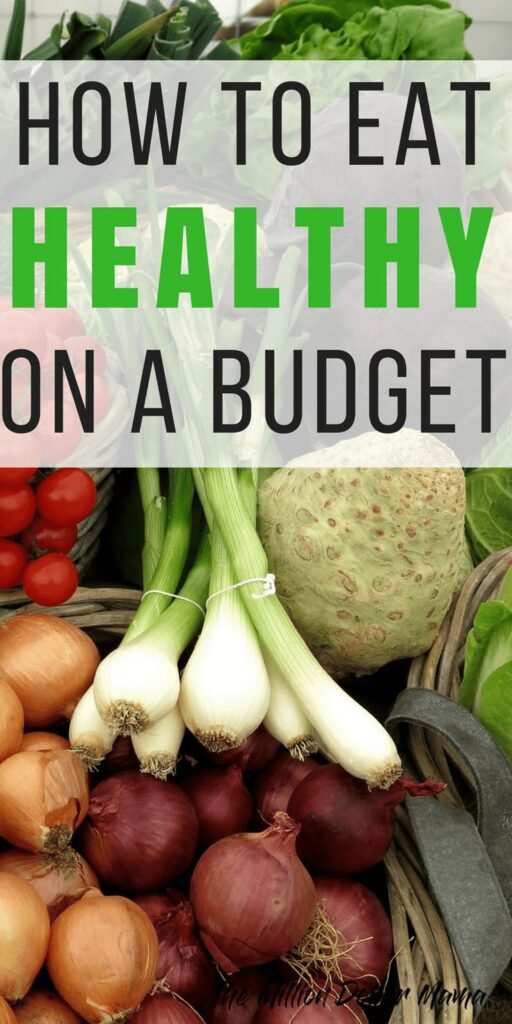
Understanding the Importance of Nutrition
Nutrition plays a pivotal role in maintaining overall health and well-being. Essential nutrients such as carbohydrates, proteins, fats, vitamins, and minerals contribute significantly to our daily functioning, helping to sustain energy levels, support growth, and facilitate recovery from illnesses. Foods rich in these nutrients not only nourish the body but also enhance cognitive functions, boost mood, and improve our immune system. Understanding these aspects of nutrition is particularly important for individuals operating on a tight budget, as it can help clarify the necessity of making informed food choices.
Thank you for reading this post, don't forget to subscribe!Despite common misconceptions that healthy eating is synonymous with high costs, maintaining proper nutrition does not have to be prohibitively expensive. It is indeed possible to prioritize nutrition while adhering to a budget. Simple strategies such as meal planning, bulk purchasing, and choosing seasonal produce can result in significant savings, while still allowing for a diverse and nutrient-rich diet. Additionally, opting for whole foods rather than processed items can yield greater nutritional benefits at a lower price point, as these foods are typically more nutritious and devoid of unnecessary additives.
Furthermore, there are tangible benefits to prioritizing nutrition, especially when faced with financial constraints. A well-balanced diet can enhance one’s productivity and energy levels, leading to better performance in daily tasks and improved mental health. When individuals make nutrition a priority, they often experience fewer health problems in the long run, translating to reduced medical expenses. Thus, understanding the intrinsic value of nutrition and debunking the myth that healthy eating must break the bank are vital steps toward promoting a healthier lifestyle for everyone.
Budget-Friendly Food Choices
Maintaining a nutritious diet on a limited budget is achievable with careful planning and informed choices. One of the key strategies is to focus on purchasing whole foods, which provide essential nutrients without the added costs associated with processed foods. Items like fruits, vegetables, whole grains, legumes, and lean proteins often deliver superior nutritional value at a lower price compared to convenience foods. Opting for these natural foods can enhance your overall diet while being easy on your wallet.
Shopping for groceries requires a practical approach. A significant way to save is by buying in bulk. Items such as rice, beans, oats, and nuts can often be found at a lower price per unit when purchased in larger quantities. This strategy not only supports longer-term meal planning but also allows you to take advantage of sales. Additionally, grocery stores frequently offer discounts on bulk items, making it even more cost-effective.
Another crucial aspect of budget-friendly shopping is to pay attention to food labels. Understanding nutritional information and ingredients can aid in making healthier choices, ensuring that you are selective about what you introduce into your meals. For example, comparing the fiber and protein content in similar products can help you opt for the most nutritious choice available.
Seasonal shopping is highly recommended as well. Fruits and vegetables that are in season tend to be more affordable and fresher, making them ideal for nutritious meals. Furthermore, many local markets or farms sell seasonal produce at reduced rates, which can significantly contribute to a healthier diet. Therefore, prioritizing seasonal options can greatly benefit both health and finances.
By implementing these practices—focusing on whole foods, purchasing in bulk, understanding labels, and shopping seasonally—you can effectively maximize your nutritional intake while keeping costs in check, ensuring a balanced and healthy diet that fits within your budget.
Meal Planning and Preparation Tips
Meal planning and preparation play a crucial role in maintaining a healthy diet while adhering to a tight budget. By thoughtfully designing your weekly meals, you can reduce food waste, save money, and ensure that you have nutritious options readily available. Start by reviewing your pantry and refrigerator. Identifying ingredients you already have can help you build meals around these items, minimizing unnecessary grocery expenses.
Next, create a simple weekly meal plan that includes breakfast, lunch, dinner, and snacks. Aim for recipes that incorporate similar ingredients to reduce costs and enhance versatility. For instance, if you purchase a bag of lentils, consider using them in soups, salads, or stir-fries throughout the week. Incorporating flexible recipes that can easily be adapted to different meals is a smart way to stretch your food budget.
Batch cooking is another effective strategy for those looking to eat healthy on a budget. Preparing large quantities of meals not only saves time during busy weekdays but also allows you to take advantage of bulk purchasing. Cook large pots of soups or stews and portion them into individual servings for convenient reheating. This approach encourages you to create balanced meals, as you can include various fruits, vegetables, and whole grains in your recipes.
Utilizing leftovers effectively is essential in minimizing waste and maximizing your budget. Consider transforming leftover cooked meats or vegetables into new dishes, such as using roasted chicken to make sandwiches or salads the next day. Additionally, some meals can be easily frozen for later use, providing you with nutritious options that can be eaten when time is scarce.
Smart Shopping Strategies
When it comes to maintaining a healthy diet on a tight budget, employing smart shopping strategies can significantly impact your overall food expenditures while enhancing nutritional value. One of the most crucial steps is creating a comprehensive shopping list before heading to the store. This not only helps avoid impulse purchases but also ensures that you only buy what is necessary, ultimately leading to reduced food waste. A well-structured list, based on planned meals, can direct you towards healthy options and keep your grocery expenditures in check.
In addition to making a list, selecting the right venues for your grocery shopping can lead to considerable savings. Farmer’s markets and local supermarkets often offer fresh produce at more affordable prices compared to larger chain stores. Visiting these markets can also encourage the consumption of seasonal fruits and vegetables, which are typically less expensive and more flavorful. Moreover, discount stores can provide a treasure trove of good deals on preserved items, dried goods, and frozen vegetables that serve as budget-friendly substitutes for premium-priced products.
Taking advantage of sales and coupons can further enhance your ability to maintain a balanced diet without overspending. Many supermarkets have weekly offers or loyalty programs that provide discounts on healthy food options. Utilizing online coupon sites or store apps can give access to promotions that might not be advertised traditionally. It is beneficial to remain flexible in your shopping mindset; being willing to substitute a planned item for a sale item allows greater opportunities to maximize nutritional intake while minimizing costs.
Lastly, being open to trying new foods, whether they are less popular vegetables or alternative grains, contributes to a varied diet while also allowing for budgetary advantages. Incorporating these smart shopping strategies not only empowers individuals to eat healthily but also makes financial sense, ultimately supporting a sustainable approach to nutrition.

