
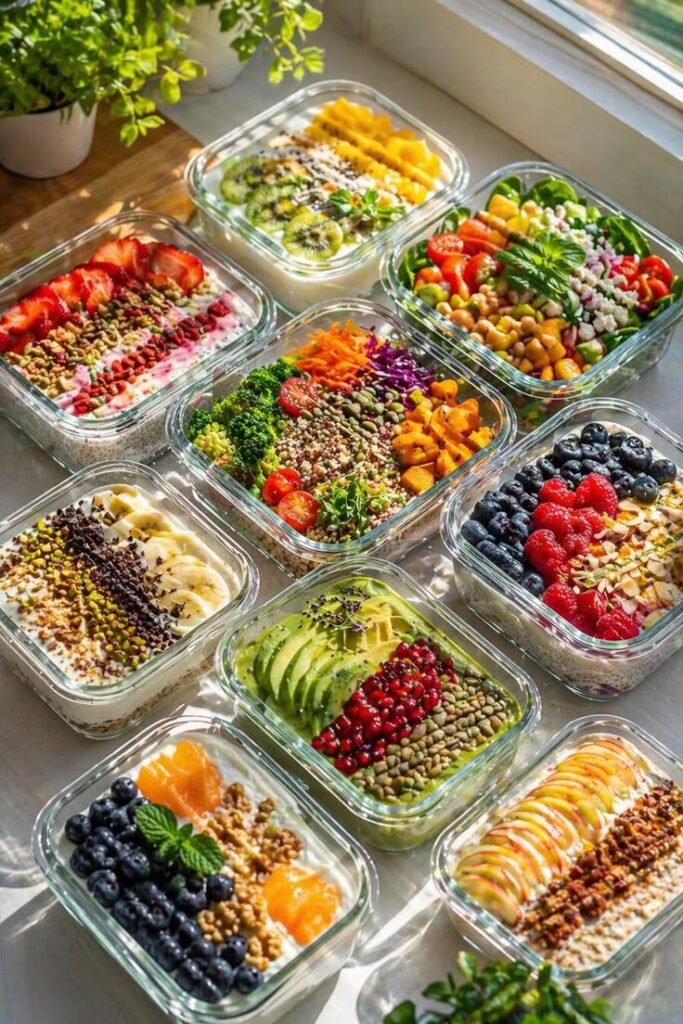
Why Meal Prep is Essential for a Busy Lifestyle
In today’s fast-paced world, many individuals find it challenging to maintain a balanced diet while navigating hectic work schedules and personal commitments. Meal prepping has emerged as a practical solution that not only saves time but also reduces the stress associated with weeknight cooking. By dedicating a few hours each week to prepare meals in advance, individuals can enjoy the convenience of healthy eating without the daily pressure of cooking.
Thank you for reading this post, don't forget to subscribe!One of the primary benefits of meal prep is the significant time savings it offers. Rather than spending time every day figuring out what to eat, individuals can allocate time during the weekend or their free evenings to prepare multiple meals. This approach helps streamline the cooking process, allowing busy individuals to enjoy quick access to nutritious options throughout the week. Not only does this save time, but it also helps reduce the likelihood of opting for unhealthy fast-food alternatives during busy weekdays.
Additionally, meal prepping encourages healthier eating habits. By planning and preparing meals ahead of time, individuals can avoid impulse eating and make more conscious choices about the ingredients they use. This practice can lead to a more balanced diet, incorporating a variety of vegetables, lean proteins, and whole grains. Furthermore, meal prep can assist in better portion control, reducing the chances of overeating while promoting a mindful approach to food consumption.
However, it is essential to acknowledge common challenges faced by those with tight schedules. Limited kitchen time, varying dietary preferences, and food storage concerns can deter individuals from meal prepping. By adopting meal prep strategies that address these obstacles—such as utilizing versatile recipes and utilizing proper storage containers—individuals can reap the full benefits of this effective practice.
Simple Meal Prep Strategies
Meal prepping can be an efficient way to manage your dietary needs, especially during busy weeks. To embark on this journey, it is essential to adopt a few simple meal prep strategies. One of the most effective methods is planning meals ahead of time. Setting aside a specific day each week to outline your meals can streamline the process significantly. This proactive approach enables you to create a shopping list based on the meals you intend to prepare, thus ensuring you have all necessary ingredients on hand.
Batch cooking is another critical strategy. Preparing large quantities of a particular dish can save time and energy throughout the week. For instance, cooking a big pot of stew or a tray of roasted vegetables can provide multiple meals when paired with grains or proteins. This not only promotes efficiency but also helps in reducing food waste, as leftovers can be utilized in varied ways within your meal rotation.
In addition, opting for easy-to-make recipes is key. Choose meals that require minimal prep work and cooking time, allowing you to enjoy the benefits of healthy eating without extensive efforts in the kitchen. Dishes such as stir-fries, grain bowls, or sheet pan meals can often be prepared quickly and are easily scalable.
Utilizing proper storage solutions enhances the effectiveness of meal prepping. Invest in quality containers that are microwave and dishwasher safe. Clear, stackable containers allow for easy organization and visibility, making it straightforward to grab a meal on the go. Incorporating labels can also help in tracking the expiration dates of prepared meals, further maximizing efficiency.
Quick and Healthy Meal Prep Recipes
Meal prepping can alleviate the stress of busy weeks while ensuring you maintain a nutritious diet. Below are a few quick and healthy meal prep recipes that are not only simple to prepare but also packed with flavor and nutritional benefits. These recipes cater to various meal times, including breakfast, lunch, dinner, and snacks, and can easily be customized to meet individual dietary needs.
1. Overnight Oats: Start your day right with this simple breakfast. Combine rolled oats, Greek yogurt, milk (or a non-dairy alternative), chia seeds, and your choice of fruits (bananas, berries, or apples) in a mason jar. Allow the mixture to sit overnight, and in the morning, you will have a delicious and wholesome breakfast ready to grab on your way out.
2. Quinoa Salad: For a nutritious lunch option, prepare a quinoa salad. Cook quinoa according to package instructions, then mix with chopped vegetables such as cucumbers, bell peppers, and cherry tomatoes. Add chickpeas for protein and dress with olive oil, lemon juice, salt, and pepper. This salad can be stored in the fridge for several days and is perfect served cold.
3. Sheet Pan Chicken and Veggies: For an effortless dinner, roast chicken breasts along with a medley of vegetables like broccoli, carrots, and bell peppers on a single sheet pan. Season with your favorite herbs and spices, then bake until cooked through. This dish can be portioned out for several meals and reheats well.
4. Energy Bites: Snack on homemade energy bites made from oats, nut butter, honey, and chocolate chips. Mix the ingredients in a bowl, roll them into small balls, and refrigerate. These bites are ideal for a quick energy boost and can be easily adjusted with various add-ins such as seeds or dried fruits.
These meal prep ideas not only save time but also promote healthy eating habits. Each recipe is flexible, allowing you to adjust ingredients according to your preferences or dietary restrictions, making them suitable for everyone.
Tips for Storing and Reheating Meal Prep Foods
Proper storage and reheating techniques are essential to maintaining the freshness and flavor of your meal prep foods. To ensure quality, opt for airtight containers made of glass or BPA-free plastic. These materials not only prevent contamination but also help in preserving the taste and texture of your meals. Additionally, glass containers are microwave-safe, making them a practical option for reheating.
Labeling your containers is a crucial practice that assists in meal organization. Use waterproof markers or labels to note the meal’s name and date of preparation. This habit will help you track the age of each dish and ensure that meals are consumed within the recommended time frame. As a general guideline, cooked meals can last in the refrigerator for up to 3-4 days, while frozen meals can be stored for 2-3 months for optimal flavor and safety.
When it comes to reheating, it’s vital to do so evenly to maintain taste and texture. If using a microwave, heat the meal in short intervals and stir it occasionally to promote even heating. Consider using a microwave-safe lid or cover to trap steam, ensuring that the food remains moist. For oven reheating, preheat your oven to a medium temperature and cover the dish with foil to retain moisture. This practice helps avoid dried-out meals, especially for items such as casseroles or pasta dishes.
Always keep food safety in mind; thoroughly reheat meals to at least 165°F (74°C) before consumption. Keep leftover meals diligently monitored for signs of spoilage, such as unusual smells or discoloration. Practicing these storage and reheating tips can assure that your healthy meal preparations remain delicious throughout the busy week.

