
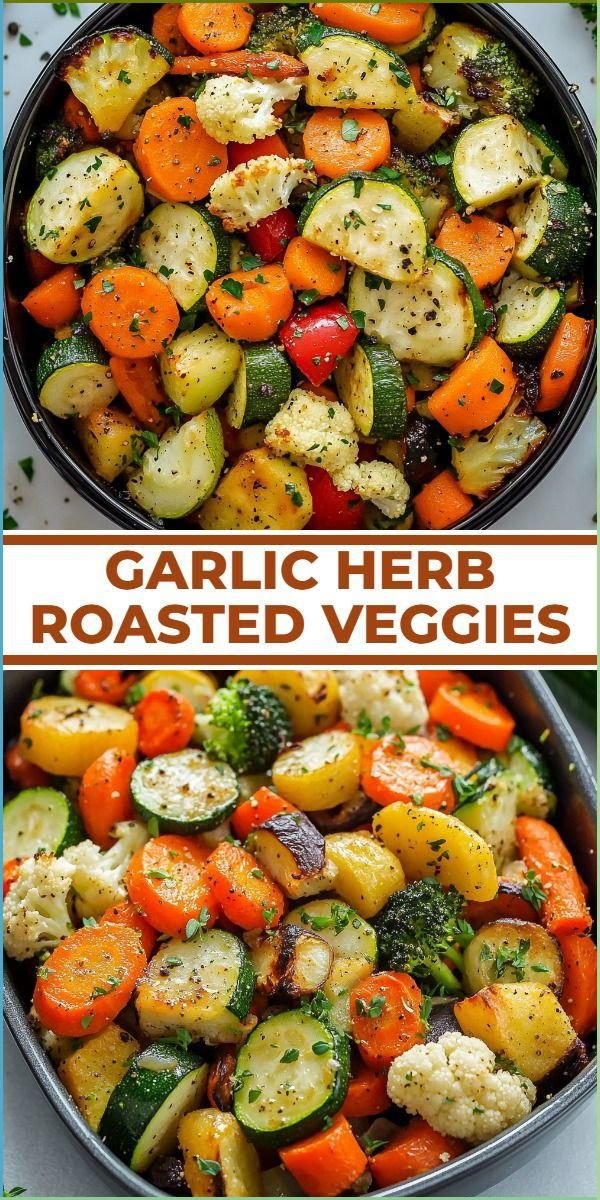
Roasting is one of the simplest ways to bring out the best in vegetables. A hot oven encourages their outer surfaces to brown, creating lightly crisp edges and deeper, more complex flavor. At the same time, the vegetables’ natural sugars become more noticeable, lending a gentle sweetness without added sauces or complicated preparation. Inside, each piece softens and turns tender, so every bite offers a satisfying contrast of texture. A little oil, a sheet pan, and an even layer are often all that is needed to get started.
Garlic gives roasted vegetables a savory foundation that complements their natural sweetness. As it warms, its sharp raw bite mellows into a rich, fragrant flavor that spreads across the pan. Herbs add another layer: rosemary and thyme bring earthy notes, while parsley or oregano can contribute a brighter, fresher character. Together, garlic and herbs make familiar ingredients taste distinctive, with an aroma that fills the kitchen as dinner cooks. The combination is flavorful yet adaptable, allowing the vegetables themselves to remain the focus.
This method works well for a weeknight meal, a make-ahead lunch, or a colorful side dish alongside grains, pasta, or a main course. Choose sturdy vegetables such as carrots, potatoes, broccoli, cauliflower, or bell peppers, and cut them into pieces of similar size so they cook more evenly. Use the herbs you have available, adjusting the amount to suit their strength and your preference. The recipe is forgiving: swap ingredients with the seasons, add a pinch of spice, or finish with fresh herbs after roasting. With a few basic steps, you can turn a mix of everyday vegetables into a warm, aromatic dish that is easy to repeat and personalize.
A flavorful roasted vegetable tray begins with a mix that can cook evenly while offering different shapes, colors, and textures. Sturdy choices include potatoes, carrots, cauliflower, broccoli, Brussels sprouts, bell peppers, red onion, and zucchini. Combining several of these creates contrast: potatoes become soft and hearty, cruciferous vegetables develop browned edges, and peppers and onions turn tender and sweet. Choose vegetables you enjoy, but avoid overcrowding the pan; space allows hot air to circulate and encourages browning instead of steaming.
Cooking times vary according to a vegetable’s density and the size of its pieces. Potatoes and carrots generally need more time than zucchini or bell peppers, so cut dense vegetables into smaller pieces, or place them in the oven before adding quicker-cooking ingredients. Broccoli and cauliflower florets should be similar in size, while Brussels sprouts can be halved if large. Red onion wedges and zucchini pieces can be added later when necessary. Aim for reasonably uniform cuts within each vegetable so the pieces become tender at about the same time.
Olive oil helps vegetables brown and carries the seasoning across their surfaces. Toss the pieces until lightly coated, then add minced or granulated garlic, salt, and black pepper. Minced garlic gives a fresh, pronounced flavor, but it can brown quickly; distribute it well or add it partway through roasting if the pieces are small. Rosemary, thyme, and oregano provide savory, aromatic notes that pair well with a mixed tray. Dried herbs can be tossed with the vegetables before roasting, allowing their flavor to infuse the oil. Delicate fresh herbs, especially parsley, are best stirred in near the end or scattered over the vegetables just before serving, so their color and freshness remain distinct. Season in stages if needed, tasting after roasting and adjusting salt, pepper, or herbs to suit the vegetables and the rest of the meal.
Begin by heating the oven to 425°F (220°C), a high temperature that encourages vegetables to brown while becoming tender. Set a large, rimmed sheet pan nearby. A roomy pan gives the vegetables space to roast rather than sit in pooled moisture; if you are preparing a generous quantity, use two pans instead of piling everything onto one.
Wash the vegetables and dry them thoroughly with a clean towel. Excess water can prevent browning, so take time to remove moisture from the surfaces. Cut the pieces into similar sizes so they cook at a similar pace, while accounting for differences in density. Firm vegetables such as potatoes, carrots, and beets generally need more time than tender options such as zucchini, bell peppers, or broccoli florets. Cut denser vegetables smaller, or plan to add quicker-cooking vegetables later.
Transfer the prepared vegetables to a bowl and add enough oil to coat them lightly without leaving them greasy. Sprinkle over minced or finely grated garlic, dried or chopped fresh herbs, salt, and black pepper. Toss well, checking that the seasonings are distributed across the pieces. For a varied mix, keep the garlic in small pieces so it flavors the vegetables without burning too quickly.
Spread the vegetables across the pan in a single layer, leaving a little space between pieces. Crowding traps steam, which can make vegetables soft instead of browned; roast in batches if necessary. Place the pan in the hot oven and cook until the vegetables are tender inside and browned at the edges. Turn them once during roasting if it helps them color evenly, but avoid frequent stirring, which can interrupt browning. Timing depends on the vegetables’ size and density, so use visual and texture cues rather than relying only on the clock. Pierce a piece with a fork: it should yield easily, while the surface should show golden or lightly crisp spots. If some pieces finish first, remove them and let denser vegetables continue roasting until tender.
Serve the roasted vegetables straight from the oven as a colorful side for roasted chicken or fish; their browned edges and garlic-herb seasoning complement simple mains without competing with them. Spoon them beside cooked grains such as quinoa, farro, or rice, or toss them with warm pasta and a little olive oil for an easy meal. For a plant-based plate, pair them with lentils, chickpeas, baked tofu, white beans, and a crisp salad.
Just before serving, brighten the vegetables with a squeeze of lemon juice, or add grated Parmesan for savory richness. Toasted almonds, walnuts, or pumpkin seeds bring crunch, while chopped parsley, dill, chives, or basil add freshness. For a warmer profile, season with smoked paprika or a pinch of chili flakes before roasting. Balsamic vinegar lends tangy sweetness, and a Mediterranean herb blend can emphasize oregano, thyme, and rosemary. Wet or sugary additions may soften browning or scorch, so use them sparingly, or drizzle them on during the final minutes.
To make ahead, roast the vegetables until just tender and browned, then let them cool before transferring to an airtight container. Refrigerate for up to four days. For the best texture, reheat a single layer on a sheet pan in a hot oven until warmed and crisped at the edges. A skillet over medium heat also works; stir occasionally and avoid overcrowding so excess moisture can escape.
Leftovers are versatile, so consider them an ingredient rather than simply repeating the side dish. Add chilled or gently warmed vegetables to leafy salads, or layer them into grain bowls with greens, beans, and a dressing. Fold small pieces into omelets or frittatas, or tuck them into wraps with hummus, greens, or a yogurt sauce. For a quick pasta lunch, add vegetables with a splash of water while warming.