
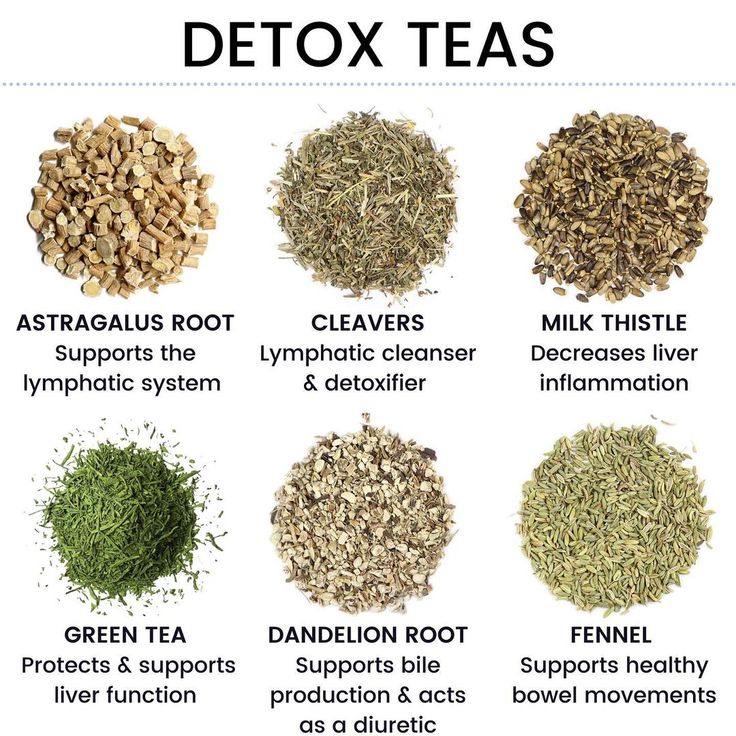
Introduction to Detox Teas
Detox teas have surged in popularity, particularly within health and wellness communities, prompting individuals to seek their purported benefits. These beverages are typically marketed as natural infusions designed to flush out toxins, support digestion, promote weight loss, and improve overall well-being. Often containing a blend of herbs, fruits, and other botanical ingredients, detox teas are presented as quick-fix solutions for cleansing the body and enhancing vitality.
Thank you for reading this post, don't forget to subscribe!The concept of detoxification is not novel; various cultures worldwide have long practiced forms of detoxification through dietary changes, herbal remedies, and fasting. Traditional medicine systems, including Ayurveda and Traditional Chinese Medicine, have emphasized the significance of purging toxins for maintaining health. In these contexts, detoxification is seen as a holistic approach that balances the body’s systems rather than adhering to a specific diet or beverage.
In recent years, however, the rise of detox teas has transformed public perceptions of these processes. The allure of a simple, flavorful drink promising rapid results has captivated many, leading to an increase in the consumption of these products. Social media influencers and lifestyle gurus often endorse specific brands, claiming transformative effects achieved through regular consumption of detox teas. This has fostered a belief among many that such teas can serve as an effective and effortless means to achieve healthier living.
Despite the enticing marketing and anecdotal testimonies supporting detox teas, it is crucial to examine these claims through a scientific lens. Many individuals are drawn to the idea of detoxification as a means to enhance their health, yet the effectiveness and necessity of detox teas warrant a critical evaluation. Understanding whether these beverages can genuinely deliver on their promises requires an exploration of the scientific principles behind detoxification and the body’s inherent capabilities.
The Science Behind Detoxification
Detoxification is a fundamental biological process that the human body employs to eliminate toxins and other harmful substances. At the core of this intricate system are the liver and kidneys, which play pivotal roles in maintaining homeostasis by filtering and breaking down various metabolites. The liver, in particular, is known for its remarkable ability to transform lipophilic substances into hydrophilic compounds, thereby facilitating their excretion through the urine or bile. This organ contains specialized cells, known as hepatocytes, that process toxins and support metabolic functions, acting as a primary detoxifier.
The kidneys complement the liver’s functions by filtering blood, removing waste products, and regulating electrolyte levels and acid-base balance. They efficiently cleanse the body of unwanted substances through urine production. Together, these organs form a robust detoxification network that continuously operates to mitigate the impact of external and internal toxins.
Detoxification is often perceived as a supplementable process, leading to the popularity of various detox methods, including detox teas. However, the scientific community frequently questions the efficacy of these additional methods. Evidence suggests that while certain herbal components found in detox teas may possess mild diuretic or antioxidant properties, they do not significantly enhance the natural detoxification capabilities of the liver and kidneys. Studies indicate that the body is well-equipped to detoxify itself without the need for external aids, provided that it receives adequate nutrition and hydration.
In conclusion, while detoxification is a vital process facilitated by the body’s organs, the reliance on detox teas to enhance this function may not hold substantial scientific merit. Maintaining a balanced diet and lifestyle is essential for optimizing the body’s inherent detox capabilities.
Do Detox Teas Provide Real Health Benefits?
Detox teas have gained substantial popularity in recent years, with claims ranging from weight loss to improved digestion and toxin removal. Typically, these teas contain a blend of herbs, teas, and other natural substances such as green tea, dandelion root, and ginger. Understanding whether these ingredients provide real health benefits requires an analysis rooted in scientific research.
Many detox teas promote weight loss, suggesting that their ingredients accelerate metabolism or suppress appetite. For instance, green tea is rich in antioxidants known as catechins, which studies have shown may assist in fat oxidation and metabolism. Research indicates that regular consumption of green tea can support weight loss efforts; however, the effects may be modest when considered independently from a balanced diet and exercise regime.
Another common claim involves improved digestion, often associated with ingredients like peppermint and ginger. Both of these herbs are known for their digestive benefits, with ginger especially recognized for alleviating nausea and indigestion. Nevertheless, the efficacy of detox teas in significantly enhancing digestive health remains debatable and lacks extensive scientific support.
The concept of detoxification itself is often misunderstood. The human body is equipped with its own detoxification system, relying on the liver, kidneys, and digestive tract to eliminate toxins naturally. Some detox tea proponents argue that these products expedite this process. However, scientific evidence substantiating the claim that detox teas can directly enhance toxin removal is limited and somewhat inconclusive.
Additionally, the consumption of detox teas should be approached cautiously, as excessive use may lead to side effects such as dehydration or electrolyte imbalances, particularly when the teas are diuretic. Overall, while certain ingredients in detox teas can provide health benefits, they should not replace a well-rounded approach to nutrition and wellness. A critical examination reveals that detox teas may offer some advantages but should be viewed pragmatically rather than as a panacea.
Conclusion and Recommendations
In reviewing the efficacy of detox teas, it becomes evident that while they may offer certain benefits, they should not be viewed as a panacea for health issues. Scientific studies indicate that many detox teas may lead to transient benefits, such as increased hydration or mild digestive relief due to their natural ingredients. However, the claims of detoxification, weight loss, and enhanced metabolic processes are often exaggerated and lack substantial scientific backing. Essentially, the body is equipped with its own intricate detoxification systems through the liver, kidneys, and other organs, which function optimally when supported by balanced nutrition and a healthy lifestyle.
The reliance on detox teas as a sole mechanism for cleansing or weight management can be misleading and ultimately ineffective. It is crucial for individuals to approach health and wellness with a more holistic mindset, emphasizing balanced dietary habits, regular physical activity, and adequate hydration. Incorporating a variety of fruits, vegetables, whole grains, and lean proteins into one’s diet can significantly support the body’s natural detoxification processes without the potential side effects associated with some detox teas.
For those interested in incorporating detox teas into their routine, moderation is key. Using these products occasionally, alongside a regimen of nutritious eating and healthy lifestyle choices, can be beneficial. Additionally, considering alternative methods for supporting detoxification—such as maintaining hydration, engaging in regular exercise, and practicing stress-relief techniques—will provide a more comprehensive approach to health.
In conclusion, while detox teas may serve a supplementary role in an overall wellness strategy, their limitations necessitate a broad perspective on health. Individuals are encouraged to prioritize foundational health principles over reliance on specific products and to consult healthcare professionals when considering significant changes to their health regimen.

