
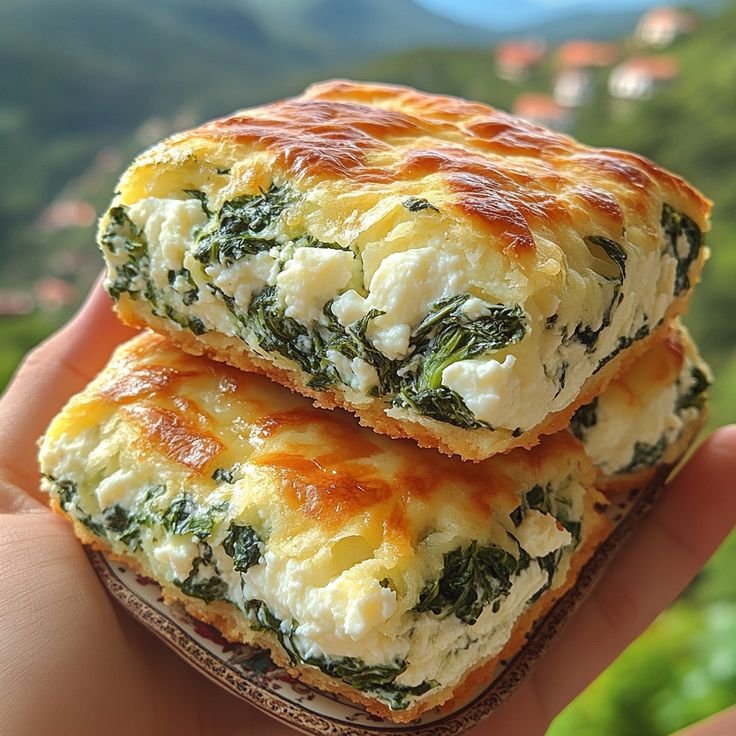
These savory spinach-feta cookies offer a compact, creative interpretation of classic Greek spanakopita. The familiar Mediterranean combination of leafy spinach, tangy feta, aromatic onion, and fresh herbs is brought together in a hand-held pastry rather than arranged in a large, layered pie. The result preserves the character of the beloved appetizer while presenting it in a format that is easy to portion, serve, and enjoy without plates or utensils.
Each cookie develops golden, crisp edges as it bakes, while the center remains tender and slightly crumbly. Butter or olive oil contributes a subtle richness, helping the pastry carry the filling’s robust flavors without overpowering them. Salty feta provides a pleasantly sharp contrast to the earthy spinach, while parsley, dill, or other fresh herbs add brightness. Finely chopped onion or scallion contributes gentle sweetness and an aromatic note, creating a balanced bite that is savory, fragrant, and distinctly Mediterranean.
Unlike traditional spanakopita, which depends on delicate layers of phyllo and a generous filling, these spanakopita-style cookies are shaped into individual portions that can be prepared for a range of occasions. They suit a Mediterranean-themed gathering, where their golden appearance and familiar flavors complement olives, roasted vegetables, and dips. They also make an appealing addition to brunch menus, lunchboxes, holiday appetizer trays, and casual entertaining. Served warm or at room temperature, the cookies provide a practical way to enjoy the essence of spinach pie in a crisp, inviting snack.
For a flavorful spanakopita-inspired cookie dough, begin with finely chopped spinach and crumbled feta cheese. Fresh spinach should be wilted first, while frozen spinach must be completely thawed. In either case, squeeze it extremely dry, preferably by pressing it in a clean kitchen towel or through a fine sieve. Excess moisture can make the dough loose and cause the finished cookies to soften instead of turning crisp and delicate. Feta contributes a pleasantly salty, tangy flavor and small creamy pockets; crumble it into fine, even pieces so it distributes throughout the mixture.
Use plain flour as the structural base, measuring it accurately with a kitchen scale or by spooning it into a measuring cup and leveling the surface. Too much flour may produce dense cookies, while too little can leave them fragile. Butter adds richness and a tender texture, whereas olive oil gives the dough a lighter consistency and a distinctly Mediterranean character. If the mixture needs additional binding, incorporate one egg, although the cheese and spinach may provide enough cohesion in some recipes.
Finely mince garlic and scallions or onion so their flavors disperse without creating large, wet pieces. Chopped dill and parsley supply the fresh herbal notes associated with spanakopita, while freshly ground black pepper balances the feta’s saltiness. Optional additions can include finely grated lemon zest for brightness, toasted sesame seeds for nuttiness and a subtle crunch, or a small pinch of nutmeg to deepen the spinach flavor.
Combine the prepared ingredients gently, mixing only until the dough just comes together. Overworking develops the flour and can make the cookies tough rather than tender. If the mixture feels too wet, add flour one teaspoon at a time; if it appears crumbly, add a small amount of beaten egg, softened butter, or olive oil. Allow the dough to rest briefly before shaping, giving the flour time to hydrate and making it easier to handle without excessive mixing.
Chilling is an important step before shaping the spanakopita cookies. Once the spinach, feta, herbs, and other ingredients have been combined into a cohesive dough, cover the bowl and refrigerate it until firm, usually for at least 30 minutes. The cooling period allows the fats to solidify and the mixture to become less sticky, making it easier to portion and handle. It also helps the cookies retain their shape rather than spreading excessively during baking. If the dough becomes soft while being shaped, return it to the refrigerator briefly.
Use a spoon, cookie scoop, or kitchen scale to divide the chilled mixture into evenly sized portions. Roll each portion gently between your palms to form a ball, then flatten it into a small round or slightly irregular rustic disk. Avoid compressing the dough too firmly, as excessive pressure can produce a dense texture. Arrange the rounds on a parchment-lined baking sheet, leaving space between them so hot air can circulate and the edges can brown evenly. Optional toppings add both appearance and flavor: sprinkle the surfaces with sesame or nigella seeds, add a restrained crumble of feta, or brush them lightly with beaten egg or olive oil.
Bake the cookies in a properly preheated moderate-to-high oven until their edges are crisp and golden while the centers remain tender. The exact timing depends on their thickness, so rely on visual and tactile cues rather than the clock alone. The surface should look set, the underside should be lightly browned, and the edges should feel firm when touched while the middle retains a little softness. If the oven browns unevenly, rotate the tray partway through baking, moving it from front to back and, when appropriate, switching racks. Let the cookies rest on the baking sheet for several minutes after removing them from the oven. This brief cooling period helps them firm without losing tenderness before they are transferred carefully to a wire rack.
Serve the finished spanakopita cookies warm, when the pastry is at its crispest and the spinach-feta filling is fragrant. They are equally enjoyable at room temperature, making them practical for brunches, picnics, and entertaining. Arrange them on a platter with lemon wedges, a bowl of tzatziki, or whipped feta for dipping. A drizzle of olive oil and a scattering of fresh herbs can add a polished Mediterranean touch.
For a larger appetizer spread, pair the cookies with hummus, cucumber salad, marinated olives, roasted vegetables, or a simple Greek salad. Their savory flavor also complements grilled chicken, fish, or a selection of other small dishes. If serving them at a party, make smaller bite-sized rounds and provide napkins, since flaky pastry can shed crumbs as guests eat.
Store cooled cookies in an airtight container in the refrigerator and consume them within several days. To restore their crisp texture, reheat them in a preheated oven or air fryer until hot and lightly browned. Microwaving is convenient but tends to soften the pastry. For longer storage, freeze shaped, unbaked rounds on a tray, then transfer them to a freezer-safe container. Bake them from frozen, allowing additional time, or freeze fully baked cookies and reheat them gently until crisp.
Several variations preserve the dish’s Mediterranean character. Replace part of the spinach with finely chopped kale or Swiss chard, recognizing that sturdier greens may require extra cooking and moisture removal. Mint or oregano can alter the herbal profile, while grated Parmesan or another firm cheese adds depth and saltiness. Chopped sun-dried tomatoes or olives introduce concentrated flavor, so adjust seasoning accordingly. Changes in filling moisture, thickness, or cookie size may affect baking time; smaller pieces usually brown sooner, while wetter mixtures may need slightly longer baking.