
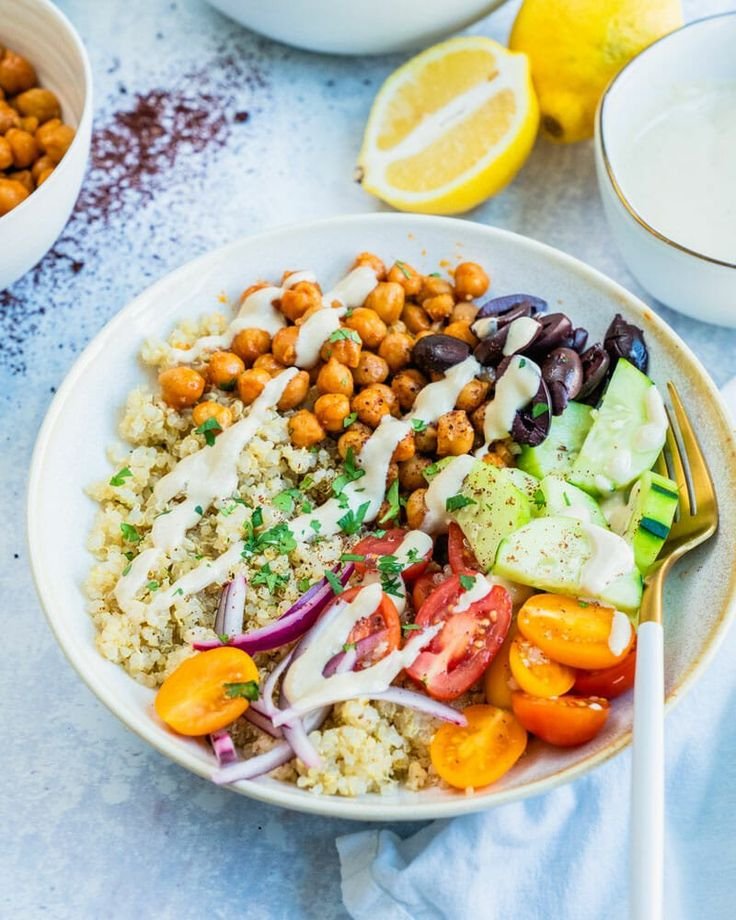
Understanding Healthy Bowl Meals
Healthy bowl meals are a culinary trend that has gained popularity for their convenience, nutrition, and versatility. At their core, these meals consist of a combination of ingredients served in a single bowl, offering a complete meal experience. They typically include a base of whole grains, an array of vibrant vegetables, a source of lean protein, and often a flavorful sauce or dressing that ties the components together.
The appeal of healthy bowl meals lies in their ability to cater to diverse dietary preferences and needs. Whether one follows a vegetarian, vegan, gluten-free, or high-protein diet, bowl meals can be tailored to fit these requirements. For instance, a quinoa bowl topped with roasted chickpeas, avocado, and a lemon tahini dressing can easily meet vegan dietary guidelines while providing essential nutrients.
Key components of a balanced bowl include protein sources such as grilled chicken, tofu, or beans, which are crucial for muscle repair and overall health. Vegetables contribute essential vitamins and minerals, alongside fiber that aids in digestion and promotes satiety. Whole grains like brown rice, farro, or barley offer complex carbohydrates, providing sustained energy throughout the day.
Nutritionally, healthy bowl meals are often lower in calories yet higher in essential nutrients compared to traditional meals. They encourage a colorful variety of ingredients, which not only enhance the visual appeal but also maximize nutritional benefits. This makes them an excellent choice for anyone looking to increase their daily vegetable intake or explore new flavors.
In summary, healthy bowl meals are far more than just a trend; they represent a mindful approach to eating. By incorporating balanced portions of protein, vegetables, and whole grains, these meals provide a solid foundation for a healthy lifestyle. Their adaptability ensures that individuals can enjoy a satisfying meal while meeting their specific dietary preferences.
Choosing Your Protein Sources
When it comes to crafting the perfect healthy bowl meal, selecting the right protein sources is paramount. Protein plays a crucial role in building and repairing tissues, and it is essential for maintaining muscle health. There are two primary categories of protein sources to consider: animal-based and plant-based options. Both provide unique benefits and can complement various dietary preferences.
Animal-based proteins, such as chicken, turkey, fish, and eggs, are complete proteins, meaning they contain all essential amino acids required by the body. For instance, chicken breast is not only low in fat but also rich in protein—offering approximately 31 grams of protein per 100 grams, making it an excellent choice for those looking to enhance their protein intake. Fish, like salmon, provides omega-3 fatty acids along with high-quality protein, contributing to heart health while delivering around 25 grams of protein per 100 grams.
On the other hand, plant-based proteins are also valuable contributors to a balanced diet. Options such as lentils, chickpeas, quinoa, and tofu offer protein while providing additional vitamins and minerals. Quinoa is notable for being a complete protein as well. With approximately 8 grams of protein per cooked cup, it serves as a versatile base for numerous healthy bowl meals. Tofu, made from soybeans, is another excellent protein-rich option, providing about 8 grams of protein per 100 grams and can absorb flavors effortlessly, enhancing any dish.
Consideration of preparation methods is essential for maximizing the flavor and health benefits of these proteins. Grilling or baking lean meats can reduce fat content while enhancing taste. Meanwhile, methods such as steaming or sautéing vegetables with spices alongside tofu or legumes can elevate their flavors, making them more enjoyable. By thoughtfully selecting and preparing your protein sources, you can create a balanced and nutritious meal that caters to a variety of dietary needs and preferences.
Incorporating Fresh Vegetables
When crafting a healthy bowl meal, the selection of vegetables plays a pivotal role in enhancing both nutritional value and visual appeal. A diverse array of colors and types of vegetables not only makes the meal more attractive but also maximizes the intake of essential vitamins, minerals, and dietary fiber. Incorporating fresh, seasonal produce is advisable, as these vegetables are typically richer in flavor and nutritional content.
Choosing a variety of vegetables allows for a broader spectrum of nutrients. For instance, leafy greens like spinach and kale are excellent sources of iron and calcium, while bell peppers and tomatoes provide ample vitamin C and antioxidants. Seasonal vegetables, such as asparagus in spring or squash in fall, should be prioritized. Not only do they taste better when fresh, but they are also more affordable and environmentally sustainable.
Furthermore, a mix of raw and cooked vegetables can elevate the overall texture and flavor of the bowl. Raw vegetables, such as shredded carrots or sliced cucumbers, offer a satisfying crunch, while lightly steamed or roasted vegetables add warmth and deeper flavors. It’s important to balance these textures to create a more enjoyable eating experience.
To enhance the flavors of the vegetables, one can incorporate various spices, herbs, and dressings. Fresh herbs like basil or cilantro can add a wonderful aroma and taste, while spices such as cumin or coriander can introduce warmth and complexity. Dressings made from olive oil, lemon juice, or tahini can also amplify the natural flavors of the vegetables, bringing the dish together harmoniously.
In conclusion, the thoughtful incorporation of fresh vegetables is fundamental to crafting a healthy bowl meal. By considering the variety, seasonality, and cooking methods, one can create a vibrant and nutritious dish that satisfies both the palate and the body.
Selecting and Cooking Whole Grains
Whole grains are an essential component of a healthy bowl meal, offering vital nutrients that promote overall health. Unlike refined grains, whole grains retain the bran, germ, and endosperm, providing fiber, vitamins, and minerals necessary for optimal bodily function. Incorporating a variety of whole grains into your meals can enhance flavor, texture, and nutritional value.
Some popular choices include quinoa, brown rice, and farro. Quinoa is a unique grain that is gluten-free and rich in protein, making it an excellent option for those with dietary restrictions. Brown rice, a staple in many cuisines, is well-known for its nutty flavor and chewy texture. Farro, an ancient grain with a hearty taste, adds a delightful chewiness that elevates any bowl meal.
When selecting whole grains, try to choose products that are labeled as ‘100% whole grain’ to ensure you are getting the full benefits. Pay attention to cooking instructions as different grains may have varying water-to-grain ratios and cooking times. For instance, quinoa typically requires a 2:1 water ratio and cooks in about 15 minutes, whereas brown rice may take up to 45 minutes with a 2.5:1 water ratio.
To prepare flavorful and fluffy whole grains, rinse them under cold water before cooking to remove any residual dust or bitterness. Experiment with cooking in flavored liquids such as vegetable broth or adding herbs and spices to the cooking water to infuse more flavor. Consider also the portion size; a typical serving is around 1/2 cup cooked, which can help balance the meal when combined with proteins and vegetables.
Whole grains not only provide a solid foundation for your healthy bowl meals but also contribute a satisfying and wholesome quality that is appealing to the palate. As you explore cooking techniques and flavor combinations, you will discover the versatility that whole grains bring to your dining experience.