
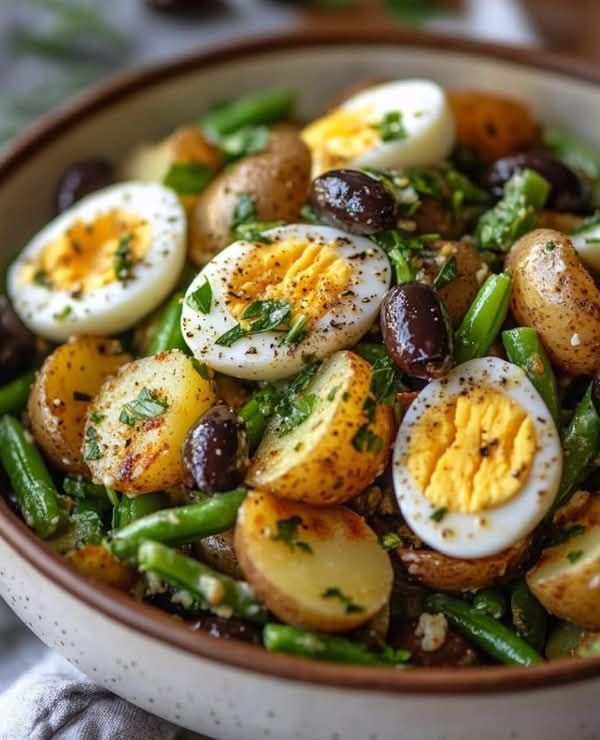
The Mediterranean diet is best understood as a flexible eating pattern inspired by food traditions in countries bordering the Mediterranean Sea. It is not one fixed menu, a strict list of rules, or a short-term weight-loss plan. Recipes and customs vary across the region, but many share an emphasis on mostly plant-based foods, satisfying meals, and ingredients that are fresh, seasonal, and enjoyable.
Vegetables, fruits, beans, lentils, whole grains, nuts, seeds, herbs, and olive oil form the foundation. Fish and seafood are included regularly in moderate servings, while poultry, eggs, and dairy are eaten in smaller amounts. Red and processed meats generally appear less often. This pattern also values how people eat: meals can be shared with others, prepared with seasonal produce, and enjoyed without treating food as a set of numbers to control. Everyday habits matter alongside ingredient choices.
Beginners can start with small changes to familiar meals rather than overhaul the kitchen. Add fruit to breakfast or an extra vegetable to a sandwich, soup, or pasta dish. Replace some white bread, rice, or pasta with whole-grain versions, and keep canned beans or lentils available for quick additions to salads, stews, and grain bowls. Use olive oil as a main cooking fat when it suits the dish, and build meals around foods you like. Gradual adjustments are easier to maintain than rigid rules.
There is no single way to follow this approach, and individual needs differ. Budget, culture, access to ingredients, allergies, and personal preferences can all shape suitable meals. People with health conditions, food allergies, or dietary restrictions should seek guidance from a qualified clinician or registered dietitian when adapting their eating pattern. The goal is a practical, enjoyable way of eating that can fit everyday life, not perfect adherence to a prescribed menu.
A satisfying Mediterranean meal does not require precise measurements or a special recipe. Start by making vegetables and fruit prominent, then add a protein such as beans, fish, eggs, or poultry. Include a whole grain or other starchy food, such as brown rice, whole-grain bread, potatoes, or pasta. Finish with flavorful fats from olive oil, nuts, seeds, or avocado. As a visual guide, let produce take up a generous share of the plate, with protein and grains filling much of the rest. These proportions are flexible, not a rigid prescription; appetite, activity, preferences, and the meal itself can all guide the balance.
A well-stocked kitchen makes this approach easier on busy evenings. Keep canned beans and tomatoes, whole-grain pasta or brown rice, and frozen vegetables on hand for quick soups, bowls, or pasta dishes. Leafy greens, plain yogurt, canned fish, lemons, garlic, and dried herbs are useful fridge and pantry staples, too. Combine canned beans with tomatoes, greens, garlic, and herbs for a simple stew, or serve canned fish with rice and a side of vegetables. Yogurt can become a quick sauce with lemon and garlic. These practical ingredients help turn basic combinations into nourishing meals without relying on elaborate preparation or frequent shopping.
Build flavor with straightforward techniques: roast vegetables until their edges are browned, dress warm beans with lemon juice and chopped herbs, and finish soups, grains, or vegetables with a little olive oil. Taste as you cook, adjusting with herbs, citrus, or seasoning rather than adding complexity. Drink water regularly, and choose portions that feel satisfying; there is no single serving size that suits everyone. Meals can also include foods chosen simply because they are enjoyable. Mediterranean eating is best treated as a flexible pattern, not a checklist to complete or a set of foods to fear. Consistent, varied choices matter more than making every plate conform to a formula.
A practical way to explore Mediterranean-style eating is to build simple meals around vegetables, fruit, beans, whole grains, nuts, and olive oil. Breakfast can be as easy as plain yogurt topped with seasonal fruit, oats, and a small handful of nuts. For a warm option, cook oats with water or milk and add chopped apple, pear, or berries. Whole-grain toast with sliced tomato and an egg offers another quick combination; use cooked greens or leftover vegetables when tomatoes are out of season. Savory greens warmed with white beans and olive oil make a satisfying vegetarian breakfast, with frozen spinach or kale helping shorten preparation.
At lunch, combine chickpeas with chopped cucumber, tomato, peppers, herbs, and a lemon-and-olive-oil dressing. Canned chickpeas are convenient; rinse them before using, and swap in whatever vegetables are available. Lentil soup is another flexible choice: simmer lentils with onion, carrots, canned tomatoes, and broth, or use frozen vegetables to save chopping. For a portable meal, fill a whole-grain pita with hummus, shredded vegetables, and leafy greens. Add feta if desired, or keep it plant-based with extra beans.
Dinner can follow the same adaptable pattern. Arrange fish, seasonal vegetables, and olive oil on a sheet pan and roast until cooked; frozen vegetables can work, though they may need a little extra cooking time. For a vegetarian alternative, prepare a tomato-and-bean stew with canned tomatoes and beans. Whole-grain pasta tossed with vegetables, olive oil, and herbs is another straightforward meal; choose fresh, frozen, or canned produce according to what is on hand. Grain bowls can use cooked barley, bulgur, or brown rice, topped with roasted vegetables and lentils or chickpeas.
For snacks, pair fruit with nuts, serve raw or lightly cooked vegetables with hummus, or enjoy plain yogurt with fruit. Keep ingredient lists short, season with herbs, lemon, garlic, or spices, and adjust quantities to appetite. Canned beans, canned tomatoes, frozen greens, and frozen fruit can make these ideas practical throughout the year. These are templates rather than strict recipes: substitute ingredients to suit the season, budget, and vegetarian preferences.
Think of the week as a flexible set of building blocks, not a fixed menu. Prepare a pot of grains, such as brown rice or farro; roast a tray of seasonal vegetables; cook or drain a few portions of beans; and mix a lemon, olive oil, and herb dressing. Combine these staples differently with eggs, fish, chicken, tofu, or extra beans to keep meals varied. Swap ingredients to suit your preferences and what is available.
Monday: Breakfast, oats with fruit and nuts; lunch, chickpea salad with greens and dressing; dinner, fish with roasted vegetables and grains; snack, yogurt or fruit. Tuesday: Breakfast, whole-grain toast with egg; lunch, leftover fish and greens; dinner, lentil soup with bread; snack, carrots and hummus. Wednesday: Breakfast, yogurt, fruit, and oats; lunch, leftover lentil soup; dinner, vegetable pasta with beans; snack, a handful of nuts.
Thursday: Breakfast, oats and fruit; lunch, grain bowl with roasted vegetables and chickpeas; dinner, chicken or tofu with greens; snack, fruit. Friday: Breakfast, egg and toast; lunch, leftover vegetable pasta; dinner, bean stew with seasonal vegetables; snack, yogurt. Saturday: Breakfast, yogurt and fruit; lunch, salad with beans and grains; dinner, fish or another protein with vegetables; snack, hummus and vegetables. Sunday: Breakfast, oats; lunch, leftovers; dinner, a flexible soup or vegetable-and-bean meal. Snacks are optional.
Before shopping, check cupboards, refrigerator, and freezer. Group a short list into produce, grains, proteins, pantry items, and dairy or alternatives. Choose seasonal produce, frozen vegetables, and canned beans or fish when they offer better value; compare labels and rinse beans if desired.
Set aside an hour or two after shopping or on a quieter day to cook components. Refrigerate perishable food promptly in covered containers, generally using leftovers within three to four days; freeze portions for later. Reheat thoroughly, adding fresh herbs, greens, lemon, or dressing to refresh a meal. When dining out or facing a busy day, choose a balanced option when practical, then resume your usual routine at the next meal. There is no need for guilt or an all-or-nothing reset.