
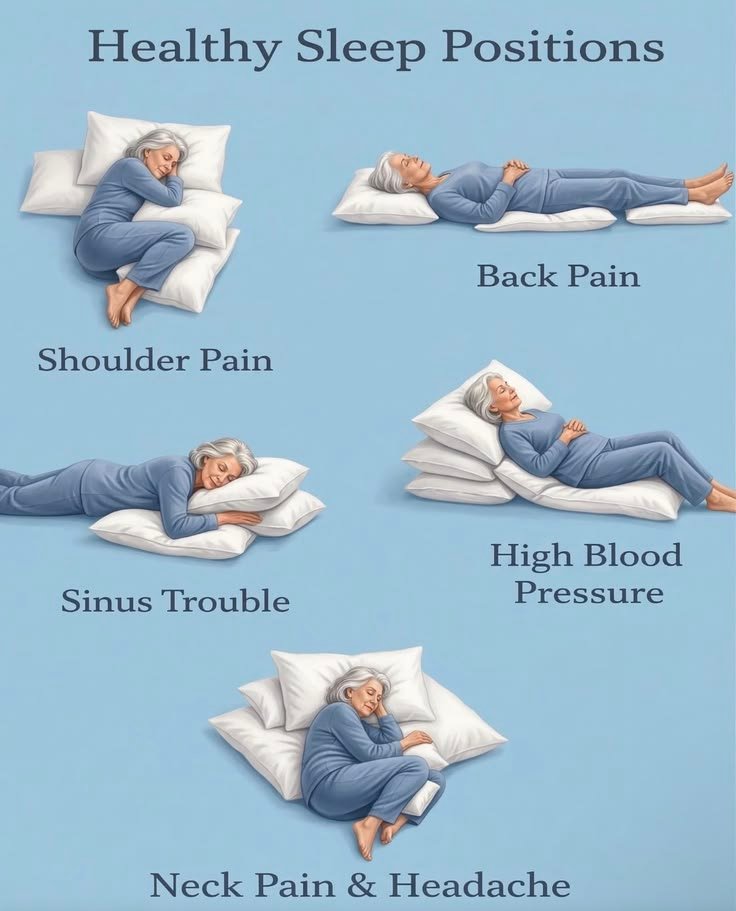
Understanding Sleep Positions
Sleep position is a crucial factor influencing health and well-being, with various orientations providing distinct physiological benefits and potential drawbacks. The most common sleep positions include back sleeping, side sleeping, and stomach sleeping, each of which has its unique characteristics.
Thank you for reading this post, don't forget to subscribe!Back sleeping involves lying flat on the back, with the arms either resting at the sides or on the abdomen. This position is often recommended for spinal alignment, as it allows the head, neck, and spine to maintain a neutral position, reducing the risk of discomfort. However, back sleepers may be more prone to snoring and other sleep-related breathing issues.
Side sleeping is characterized by lying on one’s side, with the arms and legs often curled in towards the body. This position is widely regarded as beneficial, especially for pregnant individuals, as it can improve circulation and reduce pressure on internal organs. There are variations within side sleeping, such as the fetal position, which may provide comfort but could lead to joint stiffness over time. Furthermore, side sleepers are less likely to experience sleep apnea symptoms.
Stomach sleeping, where an individual lies face down, is less common but still practiced by some. This position can result in strain on the neck and spine, as the head must be turned to the side to breathe. Although stomach sleeping may reduce snoring, the increased risk of neck pain and discomfort renders it generally discouraged by sleep specialists.
Personal preferences and anatomical differences significantly influence sleep positioning. Factors such as comfort, pre-existing health conditions, and even cultural implications contribute to how individuals choose to sleep. Understanding sleep positions can provide insight into their potential health impacts, leading to improved sleep quality and overall well-being.
Physical Health Implications
The position in which individuals choose to sleep can significantly impact their physical health. Researchers have explored how various sleep positions contribute to or alleviate common health issues, thereby offering insights into individual sleep preferences.
Sleeping on the back is often regarded as one of the most beneficial positions for physical health. This posture promotes spinal alignment and reduces the risk of developing pain, particularly in the lower back. Medical professionals frequently recommend back sleeping, especially for individuals suffering from chronic pain conditions. A study published in the Journal of Clinical Sleep Medicine highlights that back sleepers reported fewer instances of discomfort and more restful sleep compared to those who sleep in other positions.
Conversely, sleeping on the stomach may contribute to a range of health complications. This position can lead to misalignment of the spine and increased pressure on the neck and joints, often resulting in pain or discomfort upon waking. Stomach sleeping has also been associated with limited airflow, which can exacerbate issues such as sleep apnea. Research indicates that individuals who habitually sleep this way may experience heightened symptoms of fatigue and irritability.
Side sleeping, particularly in the fetal position, appears to be a popular choice and can offer certain physical health advantages. This position may facilitate proper breathing and reduce snoring, thus improving overall sleep quality. According to a study published in the American Journal of Respiratory and Critical Care Medicine, side sleepers often experience lower incidents of sleep disorders, contributing to better nighttime rest and daytime productivity.
In light of these findings, it is evident that the choice of sleep position carries important implications for physical health, affecting everything from pain management to breathing efficiency. Understanding these parameters can help individuals make informed decisions about their preferred sleeping posture to enhance their well-being.
Mental and Emotional Health Connections
The position in which a person sleeps is often more than just a physical choice; it can also serve as a window into their mental and emotional states. For instance, individuals who frequently curl up in a fetal position may be displaying feelings of vulnerability or anxiety. This instinctive posture, characterized by a tightly curled body with limbs drawn inward, often signifies a need for comfort and protection, reflecting underlying stress or emotional turmoil.
Conversely, individuals who tend to sleep on their backs, often referred to as the “starfish” position, typically exude a sense of confidence and security. This posture opens the body, allowing for a more expansive feel, and correlates with a stable emotional state. Studies have suggested that back sleepers may experience higher sleep quality as this position is known to facilitate better spinal alignment and functional breathing patterns while asleep, which can lead to deeper, uninterrupted rest.
It is also important to consider the impact of sleep quality on mental health. A restless night’s sleep can exacerbate anxiety and emotional instability, further influencing sleep positions. People experiencing severe anxiety may shift positions frequently during the night, unable to find comfort, while those enjoying restful sleep may maintain a consistent restful position throughout the night. Hence, the relationship between sleep position and overall mental well-being is complex, indicating that better understanding and awareness of one’s sleep habits can facilitate improvements not only in sleep quality but also in emotional health.
Tips for Achieving a Healthier Sleep Position
Adopting a healthier sleep position is integral to enhancing overall well-being and preventing potential health problems. A few strategic adjustments to your sleeping environment and habits can lead to significant improvements in sleep quality.
One of the most critical components of achieving an optimal sleep position is the choice of mattress and pillow. Ensure that your mattress offers adequate support to maintain spinal alignment; this is particularly important for those who sleep on their side or back. Side sleepers may benefit from a thicker pillow that fills the space between the neck and shoulders, while back sleepers should choose a pillow that supports the natural curve of the cervical spine. For stomach sleepers, a softer, thinner pillow is recommended to prevent neck strain.
In addition to selecting the right bedding, you might consider incorporating stretching exercises into your pre-bedtime routine. Gentle stretches targeting the neck, shoulders, and back can alleviate any stiffness and promote relaxation. Exercises such as neck rolls, shoulder shrugs, and gentle twists can prepare the body for a restful night’s sleep.
Furthermore, improving overall sleep hygiene is crucial for achieving a healthier sleep position. Create a tranquil sleeping environment by maintaining a cool, dark, and quiet room. Establish a consistent sleep schedule, aiming to go to bed and wake up at the same time each day. Avoiding screens and stimulating activities before bed can significantly enhance your ability to fall asleep quickly and comfortably.
Lastly, be mindful of your dietary habits in the hours leading up to bedtime. Consuming large meals, caffeine, or alcohol close to bedtime can adversely affect sleep quality. Opt for a light snack if you need something before bed, and allow adequate time for food to digest before sleep.

