
Understanding Brainpower and Cognitive Function
Brainpower refers to the collective ability of the brain to carry out mental processes that encompass cognition, learning, memory, and problem-solving. It is crucial for everyday functioning and can be understood through various cognitive functions. Central to these functions is the concept of neuroplasticity, which signifies the brain’s remarkable ability to reorganize itself by forming new neural connections throughout life. This adaptability allows individuals to learn new skills and recover from injuries affecting cognitive abilities.
Thank you for reading this post, don't forget to subscribe!Cognitive function comprises several key components, each contributing to overall brainpower. Memory, for instance, is essential for retaining information, allowing individuals to recall past experiences, knowledge, and skills. A well-functioning memory system enhances one’s ability to connect new information with previously acquired knowledge, fostering better problem-solving capabilities.
Attention plays a vital role in cognitive function as well. It is the cognitive process of selectively concentrating on specific aspects of information while ignoring others. Improved attention enables individuals to focus on tasks and process information more efficiently, strengthening overall mental agility.
Problem-solving skills represent another critical aspect of cognitive function. They allow individuals to analyze information, identify solutions, and make decisions effectively. This skill can significantly impact personal and professional spheres, leading to enhanced outcomes in various situations.
Overall mental agility is a composite measure that includes how quickly and efficiently a person can switch between tasks or adapt to new information. When individuals cultivate this agility, they can process and respond to changing situations with greater ease, thereby improving their brainpower comprehensively. By understanding these fundamental concepts, individuals can work towards enhancing their mental capacities through targeted strategies and practices.
Lifestyle Changes for Enhanced Cognitive Abilities
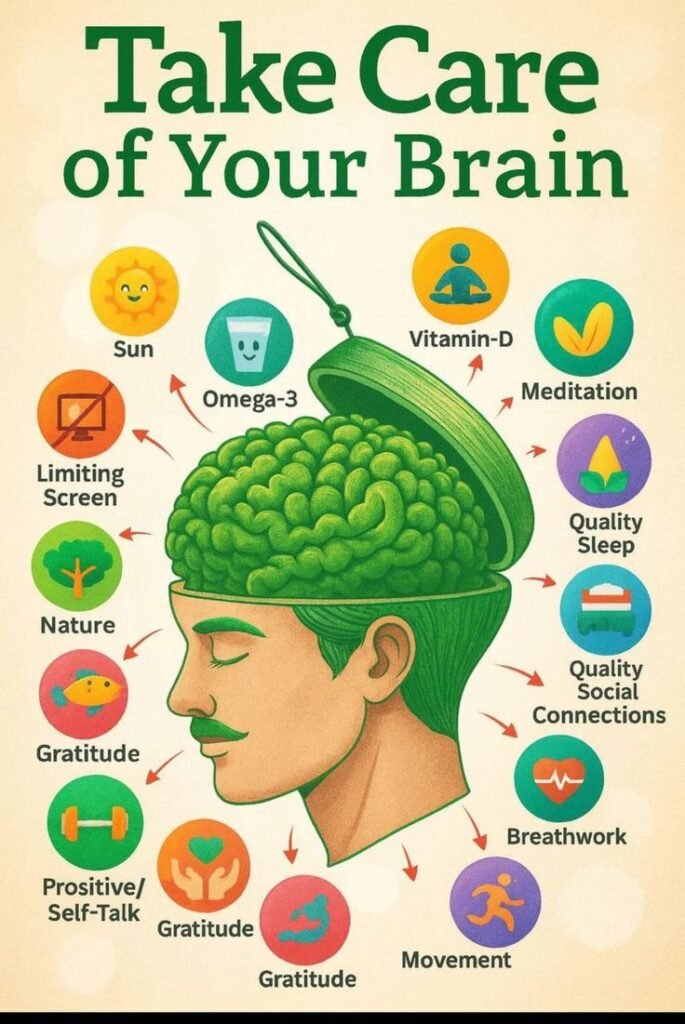
Enhancing brainpower through lifestyle changes is an increasingly vital topic in the realm of cognitive health. A well-rounded diet plays a crucial role in maintaining and potentially boosting cognitive function. Consuming food rich in omega-3 fatty acids, such as fish, walnuts, and flaxseeds, is particularly beneficial. These healthy fats are essential for brain health as they contribute to neuronal growth and development. Additionally, incorporating antioxidants found in fruits and vegetables, such as berries, spinach, and kale, can help reduce oxidative stress, thus protecting brain cells from damage.
Beyond dietary choices, regular physical exercise is another critical component in enhancing brainpower. Engaging in aerobic activities like jogging, cycling, or swimming increases blood flow to the brain, which can aid in promoting the growth of new neurons and improving overall cognitive performance. Studies have shown that even moderate exercise can enhance memory and cognitive flexibility, making it a valuable addition to any routine aimed at boosting brainpower.
Sleep is yet another factor essential for cognitive function. Quality sleep enables the brain to consolidate memories and flush out toxins that build up during the day. Poor sleep habits can lead to cognitive impairments such as decreased attention, memory issues, and diminished problem-solving abilities. Therefore, prioritizing adequate and restful sleep is crucial for anyone looking to improve their cognitive capabilities.
Lastly, social interactions and mental challenges can contribute to stronger neural connections. Participating in group activities, such as team sports or book clubs, encourages cognitive engagement and can lead to improved emotional well-being, which further supports brain health. Similarly, activities that challenge the mind, such as puzzles, learning a new skill, or even playing musical instruments, can stimulate the brain and promote cognitive growth. The integration of these lifestyle changes can collectively support a more powerful and agile mind.
Mental Exercises and Techniques to Sharpen Your Mind
Enhancing cognitive performance often involves engaging in various mental exercises and practices aimed at sharpening the mind. A well-balanced approach includes not only challenging the brain with puzzles and games, but also incorporating mindfulness and meditation techniques.
Puzzles and games such as sudoku, crosswords, and chess are excellent tools for stimulating intellectual engagement. These activities require strategic thinking and problem-solving skills, which can promote cognitive flexibility and improve memory. Regular practice of such mental challenges can lead to enhanced brain function, especially as individuals age. A real-life example is that of a retired school teacher who incorporated daily crossword puzzles into her routine and reported notable improvements in her cognitive sharpness and memory retention.
Mindfulness and meditation practices have gained much attention for their ability to improve focus, clarity, and emotional regulation. Techniques such as mindful breathing and guided visualization are effective in enhancing attention span and reducing stress levels. A study published in a leading psychology journal found that participants who engaged in mindfulness meditation demonstrated significant improvements in their overall cognitive performance, as well as a decrease in anxiety-related symptoms.
Moreover, the value of lifelong learning should not be underestimated. Engaging in educational opportunities, whether through formal classes, online courses, or self-directed study, keeps the brain active and receptive to new information. This continuous acquisition of knowledge fosters neuroplasticity, which is crucial for cognitive health. For instance, a retired engineer who took up online courses in programming reported not only improved mental acuity but also a renewed sense of purpose and engagement with the world.
In conclusion, by incorporating puzzles, mindfulness practices, and lifelong learning into daily routines, individuals can effectively sharpen their minds and enhance overall cognitive performance.
Supplements and Tools for Brain Enhancement
Enhancing brainpower can be achieved through various supplements and tools that are designed to support cognitive function. A popular category in this realm is nootropics, often referred to as “smart drugs.” These compounds are said to improve focus, memory, and overall brain function. Some of the most researched nootropics include caffeine, which is known for its stimulating effects, and L-theanine, found in tea, which may help mitigate the jitteriness caused by caffeine. Additionally, compounds like Bacopa Monnieri, often utilized in traditional medicine, have shown promise in improving memory and cognitive processing speed in several scientific studies.
Apart from nootropics, essential vitamins and minerals also play a significant role in maintaining optimal brain health. Omega-3 fatty acids, primarily found in fish oil, are critical for brain cell structure and function, while antioxidants such as Vitamins E and C help to combat oxidative stress, potentially reducing the risk of cognitive decline. Furthermore, B vitamins, particularly B6, B9 (folate), and B12, are crucial for neurological function, as they assist in producing neurotransmitters that are essential for communication between brain cells.
In conjunction with dietary supplements, digital resources have emerged as effective tools for cognitive enhancement. Brain-training apps aim to sharpen mental faculties through various puzzles and exercises. Platforms like Lumosity and Peak provide engaging activities designed to improve memory, attention, and problem-solving skills. Technological advancements have also introduced wearable devices that track cognitive performance and offer personalized feedback, which can guide users in optimizing their mental exercises.
As more individuals seek to boost brainpower, it is essential to approach supplementation and tools with a strong foundation in scientific evidence. Consulting with a healthcare professional is advisable before starting any new supplement regimen, ensuring that any products chosen align with individual health needs and cognitive goals.

