
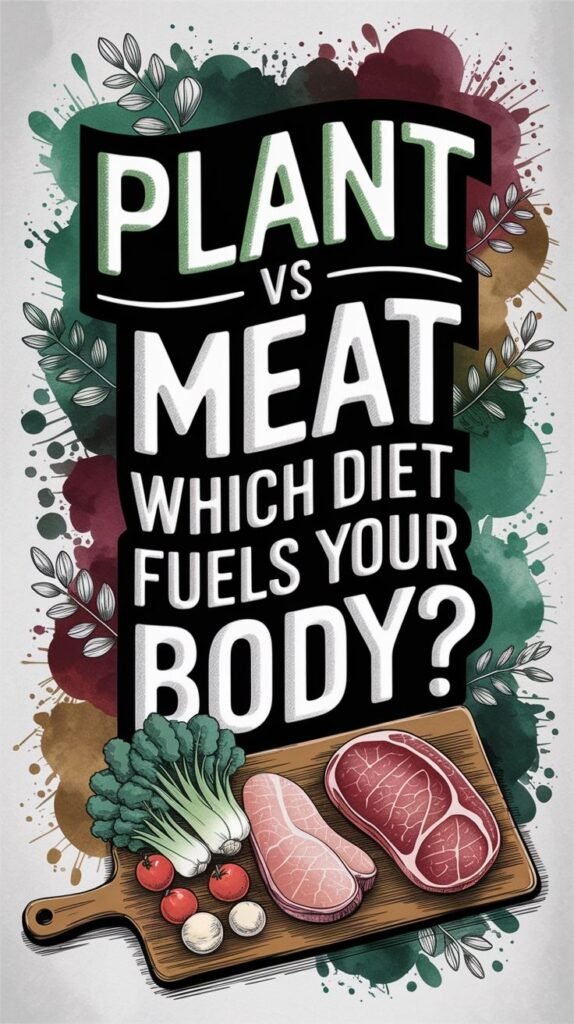
Understanding Plant-Based Diets
A plant-based diet primarily consists of foods derived from plants, which not only include fruits and vegetables but also nuts, seeds, oils, whole grains, legumes, and beans. This dietary approach emphasizes the consumption of whole, minimally processed foods, which provides a rich source of essential nutrients. Individuals following a plant-based diet can adopt various forms, such as vegetarianism, which eliminates meat and fish, or veganism, which excludes all animal products including dairy and eggs. Each of these variations reflects different levels of commitment to plant consumption.
Thank you for reading this post, don't forget to subscribe!The motivations for adopting a plant-based lifestyle can be diverse, ranging from health considerations to ethical beliefs regarding animal welfare and environmental sustainability. For instance, many individuals are drawn to plant-based eating due to its potential health benefits, including lower risks of chronic diseases such as heart disease, diabetes, and certain cancers. Numerous studies have indicated that diets rich in fruits, vegetables, and whole grains can lead to improved overall health status, enhanced weight management, and better digestive function.
Additionally, environmental concerns play a significant role in this dietary choice. The production of plant-based food generally has a smaller carbon footprint compared to meat production, aiding in reductions in greenhouse gas emissions and water usage. However, transitioning to a plant-based diet is not without its challenges. Common obstacles include obtaining adequate protein intake, navigating social situations centered around omnivore diets, and ensuring sufficient intake of essential nutrients like Vitamin B12, Iron, and Omega-3 fatty acids, which are typically abundant in animal products.
In conclusion, understanding plant-based diets entails recognizing their many forms and motivations while considering both their health benefits and potential challenges. As more individuals explore this dietary approach, it is essential to make informed choices that align with personal health goals and ethical beliefs.
Exploring Omnivore Diets
Omnivore diets are characterized by the inclusion of both animal and plant-based foods. This dietary pattern encompasses a wide variety of foods, incorporating meat, dairy, vegetables, fruits, grains, and legumes. The flexibility of omnivore diets allows individuals to take advantage of diverse nutrients that both animal and plant products offer. For instance, sources of high-quality protein, essential fatty acids, vitamins, and minerals come from various animal products such as meat, eggs, and dairy, while fruits and vegetables provide dietary fiber, antioxidants, and important phytonutrients.
One significant advantage of adhering to an omnivore diet is the vast array of culinary options available. This variety not only helps in maintaining interest and enjoyment in meals but also facilitates easier adherence to nutritional guidelines. Embracing omnivorous eating can enhance social interactions, as it typically aligns with a multitude of cultural practices and traditions that celebrate food in communal settings. This aspect can promote connection and belonging among individuals sharing diverse food experiences.
However, it is essential to acknowledge the potential drawbacks associated with high consumption of animal products. Regular intake of red and processed meats has been associated with an increased risk of certain chronic diseases, including cardiovascular disease and some types of cancer. Additionally, the environmental impact of extensive meat production has raised concerns regarding sustainability. Balancing the intake of animal products with an abundance of plant-based foods can mitigate these risks while still allowing for the nutritional benefits associated with an omnivore dietary pattern.
Health Implications: Plant-Based vs. Omnivore
When considering the health implications of different dietary patterns, recent research highlights both the benefits and potential drawbacks of plant-based and omnivore diets. Studies suggest that individuals following plant-based diets tend to experience lower rates of obesity, heart disease, and type 2 diabetes compared to their omnivorous counterparts. This advantage is often attributed to the higher intake of fruits, vegetables, whole grains, and legumes, which promote weight management and improve cardiovascular health.
One notable study published in the Journal of the American Heart Association found that plant-based eaters had significantly lower levels of cholesterol and blood pressure, both of which are critical factors in heart health. Moreover, the anti-inflammatory properties present in many plant foods can contribute to reducing the risk of chronic diseases over time. Conversely, a diet high in saturated fats and processed meats, often associated with an omnivore approach, has been linked to increased risks for heart disease and other metabolic disorders.
Diverse nutrient profiles also play a significant role in evaluating the health effects of these diets. Plant-based diets tend to be rich in dietary fiber, vitamins, and antioxidants, supporting digestive health and the immune system. However, they may lack certain nutrients, such as vitamin B12, iron, and omega-3 fatty acids, usually found in animal products. Omnivores, while benefiting from a more diverse nutrient intake, might encounter the negative consequences of high caloric density and unhealthy fat consumption if their diet is not properly balanced.
Experts recommend that individuals consider their personal health needs, lifestyle, and dietary preferences when choosing between a plant-based or omnivore diet. Each dietary style offers unique health implications, and the approach should be tailored to support long-term health and well-being.
Making the Right Choice for You
Choosing between a plant-based diet and an omnivore diet involves several considerations that cater to individual health needs, ethical beliefs, and lifestyle preferences. Firstly, it is important to assess your personal health goals. Different diets can be tailored to various health objectives, such as weight management, improved heart health, or increased energy levels. A plant-based diet is often associated with lower risks of chronic diseases; however, an omnivore diet may also provide necessary nutrients for those with specific dietary restrictions.
Secondly, reflect on your ethical beliefs regarding animal welfare and environmental sustainability. Those who prioritize reducing their carbon footprint and promoting ethical treatment of animals may find the plant-based diet more aligned with their principles. On the other hand, supporters of omnivore diets may argue for the benefits of responsible animal farming practices and the nutritional completeness offered by both plant and animal-based foods.
It is also essential to consider practical aspects, such as cooking habits, available ingredients, and social dynamics. Transitioning to a plant-based diet can be a gradual process, potentially starting with one or two meatless meals per week and increasing over time. Conversely, integrating more plant-based options into an omnivore diet can also be an effective strategy to enhance nutritional intake without completely eliminating animal products.
Ultimately, the right choice rests on personal circumstances. Listening to your body, researching nutritional information, and reflecting on your values will help you navigate this decision more effectively. Seeking guidance from professionals, such as registered dietitians, can also provide valuable insights tailored to your specific needs.

