
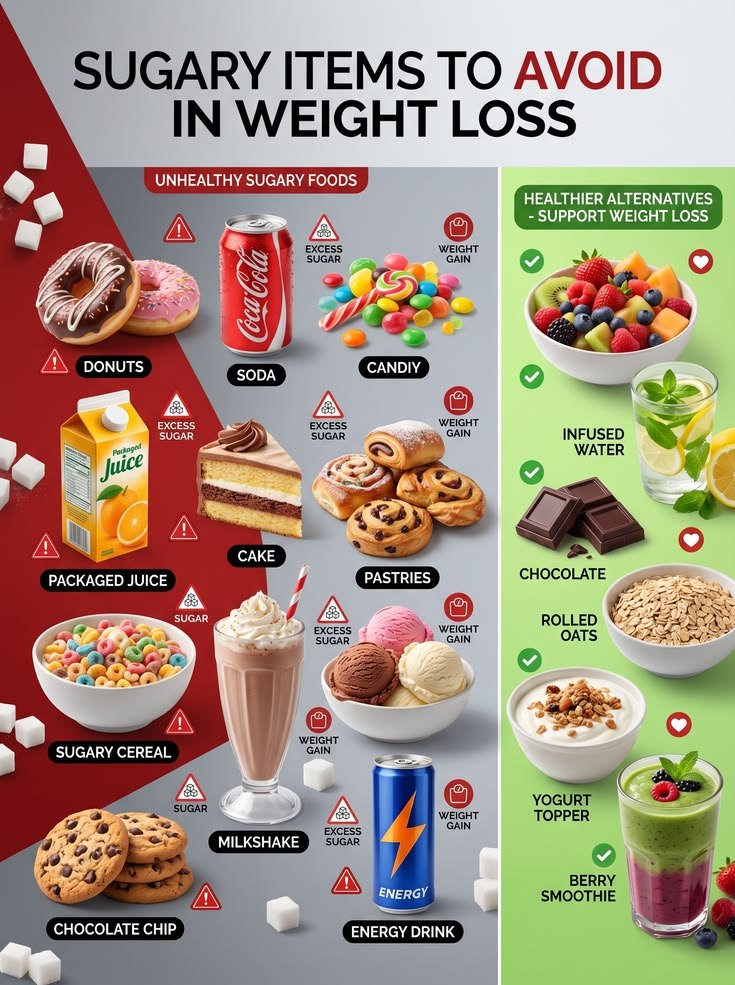
Understanding Sugar’s Role in ‘Healthy’ Foods
Sugar plays a complex role in many foods marketed as healthy, often serving various functional, sensory, and economical purposes. While sugar is commonly associated with sweet taste and immediate energy, its presence in supposedly nutritious products can be misleading. Many consumers are unaware that sugar can appear under different names and in diverse forms, making it a sneaky ingredient in numerous health-focused items.
Thank you for reading this post, don't forget to subscribe!Manufacturers frequently add sugar to enhance flavor, improve texture, and mask bitterness, especially in foods that may not be inherently palatable. For instance, low-fat products often contain added sugars to compensate for flavor loss when fat is removed. This strategy helps maintain consumer satisfaction and encourages repeat purchases, despite the increased calorie content from added sugars. In this way, the illusion of healthiness is maintained, even if the nutritional value is compromised.
Some health-focused products also utilize sugar to preserve shelf life. Many products labeled as ‘healthy’ often contain natural or added sugars to prolong freshness, which can mislead consumers into believing that these items are devoid of harmful additives. It’s crucial to understand that even food options branded as organic or whole grain can contain substantial sugar content that may not be immediately apparent.
The health implications of consuming products with hidden sugar are significant. Excessive sugar intake is linked to various health issues, including obesity, insulin resistance, and dental problems. Therefore, individuals seeking a healthier lifestyle must be vigilant about reading ingredient labels and assessing the overall sugar content, even in products that market themselves as beneficial to health. Being informed enables consumers to make conscious choices about their dietary habits and better understand the ramifications of hidden sugars in ostensibly healthy foods.
Common Sources of Hidden Sugars
In the quest for healthier eating options, consumers often overlook the prevalence of hidden sugars in various food products. Certain categories of foods are notorious for concealing added sugars, making it essential to scrutinize ingredient labels more closely.
Granola bars are frequently marketed as healthy snacks, yet many contain substantial amounts of sugar, often high fructose corn syrup, as a preservative and for flavor enhancement. This makes them less nutritious than they appear, and it is crucial to compare brands and check the ingredients before making selections.
Flavored yogurts are another common source of hidden sugars. While yogurt is generally recognized as a healthy dairy option, many flavored varieties contain added sugar to enhance taste. By opting for plain yogurt and adding fresh fruits or nuts, consumers can enjoy a delicious treat without excessive sugar intake.
Sauces and dressings often have sugar added to improve flavor or mask bitterness. For instance, ketchup, barbecue sauce, and salad dressings can contain surprising volumes of sugar. It is advisable to read labels for sugar derivatives, including terms like dextrose and cane syrup, and to consider making homemade alternatives when possible.
Moreover, smoothies, often perceived as healthful choices, can also harbor hidden sugars. Pre-packaged or store-bought smoothies may include syrups or sweeteners to enhance taste, which may undermine their intended health benefits. Preparing smoothies at home allows for precise control over the ingredients, ensuring a lower sugar content.
Identifying hidden sugars involves a diligent examination of ingredient lists, noting the various forms of sugar that may be present. By remaining vigilant and informed, consumers can better manage their sugar intake and make healthier dietary choices.
Decoding Food Labels: How to Spot Sneaky Sugars
Understanding food labels is crucial for consumers who want to avoid excessive sugar intake, particularly when it is hidden in products marketed as healthy. Manufacturers often use a variety of names for sugar, making it difficult for the average consumer to recognize it on ingredient lists. Common alternatives include high fructose corn syrup, cane sugar, glucose, sucrose, maltose, and syrups made from fruits or honey. Each of these contributes to the overall sugar content of the product, yet they may not be immediately recognizable to individuals aiming to make healthier choices.
Another essential aspect of reading labels is serving size. Sugar content can seem deceptively low if one does not pay attention to the serving size indicated on the packaging. Often, a product will contain multiple servings, which means consumers might unintentionally consume much more sugar than anticipated, simply because they misunderstood the serving size. For instance, a granola bar might list sugar content as 4 grams per serving, but if the packaging allows for two servings, the total sugar consumed would actually be 8 grams.
To navigate the complexities of food labels successfully, it is beneficial to look for products that utilize natural sweeteners instead of refined sugars. Items labeled as “no added sugars” or featuring a short ingredient list with familiar components are often safer alternatives. Moreover, seeking out whole foods, such as fruits and vegetables, can provide the sweetness desired without the addition of processed sugars. Being informed and vigilant when analyzing food labels is key to avoiding hidden sugars while striving for a balanced diet.
Strategies for Reducing Sugar Intake in a ‘Healthy’ Diet
Reducing sugar intake is essential for maintaining overall health, particularly when navigating through foods that may deceptively carry high sugar levels under the guise of being healthy. One effective strategy is to prioritize whole foods in your diet. Whole foods, which include fruits, vegetables, whole grains, nuts, and seeds, tend to be lower in added sugars and higher in essential nutrients. By making them the foundation of your diet, you can easily limit your sugar consumption while maximizing your nutritional intake.
Another powerful approach is to prepare meals at home. Home-cooked meals allow you to have complete control over the ingredients you use, enabling you to avoid hidden sugars commonly found in commercially prepared foods. When cooking, consider using natural flavor enhancers like herbs and spices instead of sugary sauces or dressings to keep your dishes flavorful yet healthy.
Being mindful of portion sizes is equally crucial. Many packaged foods may appear healthy but can contain hidden sugars that contribute to excessive calorie intake. Familiarizing yourself with food labels is an excellent way to keep track of added sugars, which can assist in making more informed choices. Aim to consume smaller portions, as it helps in moderation, particularly of items such as yogurts or granola bars that can be deceptively high in sugar.
Additionally, exploring sugar substitutes like stevia or monk fruit can be beneficial for those seeking to satisfy their sweet tooth without the calories associated with sugar. These alternatives allow for a sweeter flavor without elevating blood sugar levels. Keep in mind, however, that even natural substitutes should be consumed in moderation.
By integrating these strategies into your daily routine, you can effectively manage your sugar intake without sacrificing the pleasure of food. Adopting a balanced and mindful approach to eating can lead to significant health benefits over time.

