
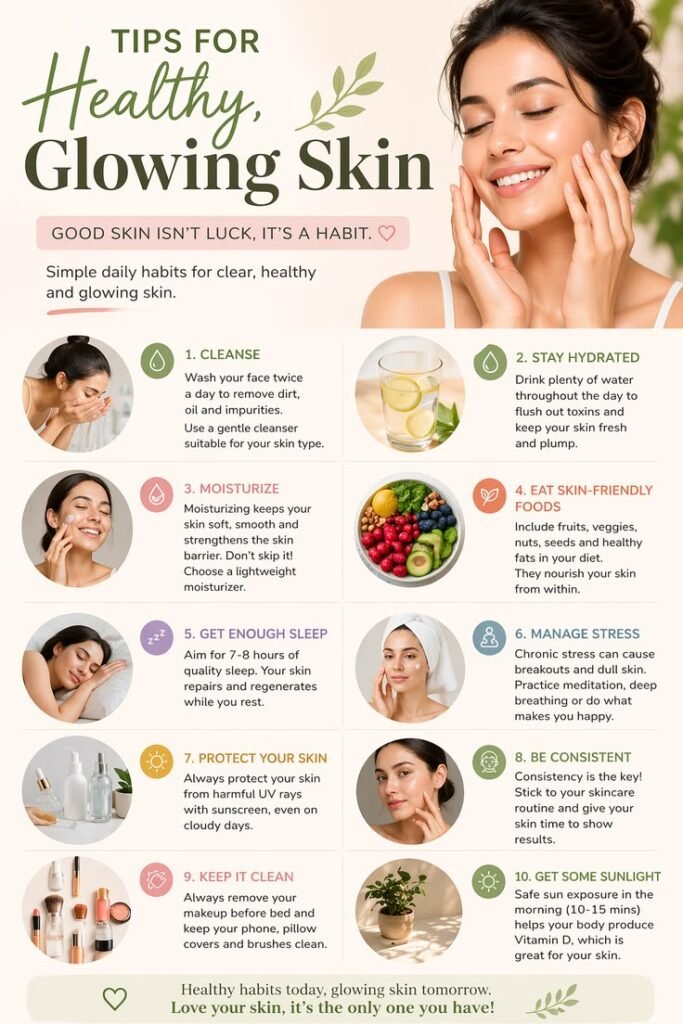
Understanding Skin Health
The skin is the largest organ of the human body and serves several vital functions that are essential for overall health. Comprised of three primary layers—epidermis, dermis, and subcutis—the skin not only protects internal organs but also plays a key role in regulating body temperature and facilitating sensory perception. The epidermis is the outermost layer, acting as a protective barrier against environmental pollutants, pathogens, and UV rays. Beneath it lies the dermis, which contains connective tissues, hair follicles, and glands, while the subcutis layer comprises fat and larger blood vessels.
Thank you for reading this post, don't forget to subscribe!One of the most critical roles of the skin is its function as a barrier. This barrier helps retain moisture and prevents the entry of harmful substances. When skin health is compromised, due to factors such as dehydration, infections, or inflammatory conditions, it becomes more vulnerable to various issues. Common skin problems include acne, eczema, psoriasis, and dry skin, each often triggered by a combination of genetic and environmental factors.
Understanding the causes of these skin issues can empower individuals to make informed choices regarding their skincare routines. For instance, acne can arise from hormonal fluctuations, whereas eczema may be exacerbated by allergens or irritants. Factors such as diet, hydration, and even stress also play crucial roles in maintaining skin health. By becoming aware of these influences, individuals can adopt better habits that enhance their skin’s appearance and overall health.
Ultimately, healthy skin reflects not only aesthetic appeal but also a person’s overall well-being. Taking steps to nurture skin health can lead to improved confidence and comfort in one’s own skin, making it essential for everyone to prioritize their skincare regimen.
Nutritional Benefits for Glowing Skin
Nourishing the skin from within is a vital component in the quest for a healthy, radiant complexion. Nutritional benefits for glowing skin stem from a variety of essential vitamins, minerals, and antioxidants that play a crucial role in maintaining skin health and vitality. These nutrients not only support the skin’s structure but also help combat various skin issues, ensuring a luminous appearance.
Key vitamins, such as Vitamin C, E, and A, are particularly beneficial for skin health. Vitamin C acts as a powerful antioxidant, protecting skin cells from oxidative stress and promoting collagen production, which enhances skin elasticity. Foods such as citrus fruits, strawberries, and bell peppers are excellent sources of Vitamin C. Similarly, Vitamin E provides moisture and protects against sun damage, found in nuts, seeds, and green leafy vegetables.
Moreover, Vitamin A is essential for skin cell turnover and repair, helping to reduce the appearance of fine lines and dark spots. Carrots, sweet potatoes, and spinach can supply this important nutrient. Minerals like zinc and selenium also contribute to healthy skin by promoting healing and reducing inflammation. Oysters, pumpkin seeds, and Brazil nuts are rich in these minerals.
Hydration is equally vital for maintaining a radiant glow. Proper water intake supports skin elasticity and helps to flush out toxins, preventing dryness and dullness. Consuming water-rich foods such as cucumbers, watermelon, and oranges can significantly boost hydration levels.
Incorporating a balanced diet that includes these vitamins, minerals, and adequate hydration is essential for achieving natural, glowing skin. By prioritizing nutrition, individuals can enhance their skin’s appearance and overall health, leading to lasting radiance.
Natural Skincare Routines and Ingredients
Creating an effective skincare routine using natural ingredients is both beneficial and sustainable. Start with a gentle cleanser to remove impurities. For a simple DIY recipe, mix equal parts honey and aloe vera gel. This combination not only cleanses but also hydrates the skin, leaving it fresh and rejuvenated.
Exfoliation is a key component to ensure the removal of dead skin cells and promote cell turnover. A natural scrub can be made by combining finely ground oats with yogurt. This mixture acts as a gentle exfoliant, providing nourishment while polishing your skin without harsh chemicals.
Moisturizing is essential to maintain skin hydration, and using natural oils can enhance this step. Consider oils such as jojoba, argan, or sweet almond oil, which are known for their versatile use in skincare. For a simple moisturizer, blend one tablespoon of any of these oils with a few drops of essential oils like lavender or tea tree for added benefits.
Treating specific skin concerns is a critical aspect of a tailored skincare routine. For acne-prone skin, a toner made of witch hazel and distilled water can provide soothing relief. On the other hand, those with dry skin may benefit from a nourishing mask made from ripe avocado and honey.
When choosing products, opting for formulations with minimal ingredients can help you avoid harsh additives. Look for products labeled as “organic” or “herbal,” ensuring they are free from synthetic chemicals. Understanding your skin type is crucial to selecting the right natural ingredients that will work effectively for you.
Incorporating natural oils, herbs, and botanical extracts into your regimen not only supports skin health but also aligns with a more eco-friendly lifestyle. By doing so, you can achieve healthier, radiant skin using time-honored traditions from nature.
Lifestyle Changes for Healthier Skin
A key component of achieving and maintaining healthy skin lies in the lifestyle choices we make on a daily basis. Various factors such as stress management, sleep hygiene, and physical activity can significantly influence skin health. Implementing strategic changes in these areas can lead to noticeable improvements in your skin’s appearance and vitality.
One of the most critical components is effective stress management. High stress levels can trigger an increase in cortisol, which may lead to skin issues such as acne, eczema, or psoriasis. To combat stress, incorporating mindfulness practices such as meditation or yoga can be beneficial. These activities foster relaxation and promote a sense of well-being, ultimately reflecting positively on your skin condition.
Sleep hygiene is another crucial factor in skin health. Quality sleep allows the body to repair itself, which includes rejuvenating skin cells. Aim for 7 to 9 hours of uninterrupted sleep each night. Establishing a calming bedtime routine, such as reading or taking a warm bath, can enhance the quality of your rest. A well-rested body is more adept at combating skin problems.
Physical exercise also plays a vital role in maintaining healthy skin. Regular exercise increases blood circulation, aiding the delivery of essential nutrients to skin cells while assisting in the removal of toxins through sweat. Aim for at least 30 minutes of moderate exercise most days. Consider activities that you enjoy, whether it’s jogging, cycling, or group fitness classes, to ensure consistency.
Additionally, avoiding harmful habits such as smoking and excessive alcohol consumption is paramount. Both can prematurely age the skin and exacerbate conditions such as dryness and redness. Instead, focus on positive daily choices, such as staying hydrated and adhering to a balanced diet rich in antioxidants to support long-term skin vitality.