
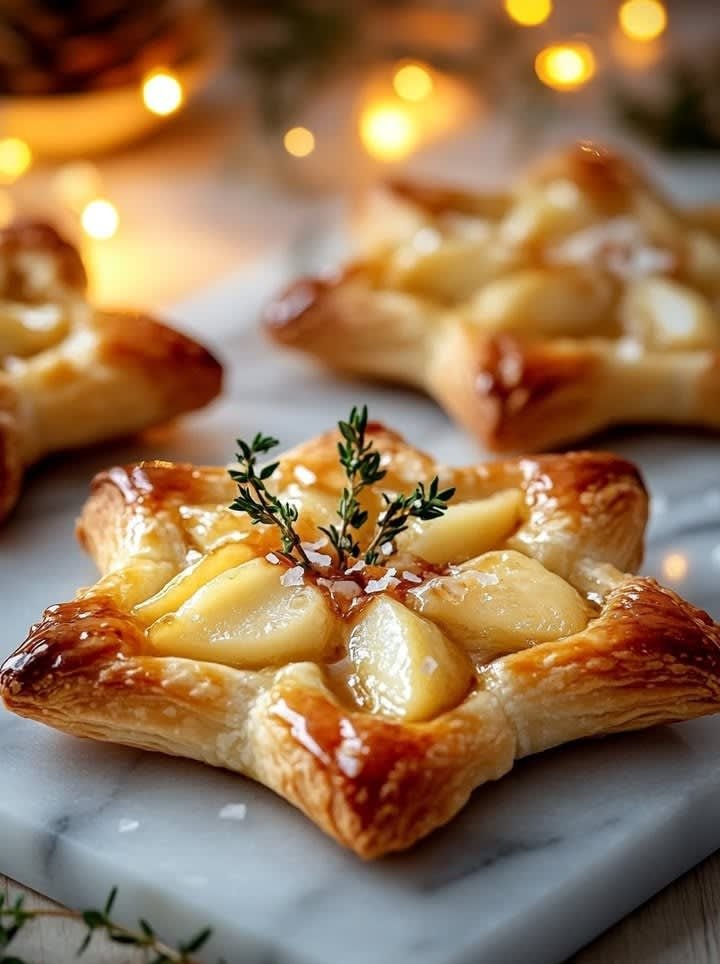
Pears caramelize because their natural sugars change when the fruit is heated. As the surface warms and loses some moisture, sugars become more concentrated and develop deeper flavors, moving from simple sweetness toward notes that can seem buttery, nutty, or honeyed. The surface also takes on a golden-brown color, creating a contrast between the richly flavored exterior and the soft fruit beneath. This transformation depends on giving the pears enough time and heat to brown without allowing them to collapse.
Moisture plays an important role. At first, cut pears release juice, which can collect in the pan and make the fruit simmer rather than brown. Gentle, steady cooking allows that liquid to evaporate while softening the flesh. Once the surface is less wet, it can make closer contact with the hot pan and develop a glossy, golden finish. Too much heat may darken the outside before the center becomes tender, while overly low heat or excess liquid can leave the pears soft and pale. Turning the pieces occasionally helps them cook evenly and brown on more than one side.
Ripe-but-firm pears are usually the best choice. They have developed enough sweetness and aroma to taste full and fragrant after cooking, but their flesh still has the structure needed to hold together. As heat softens them, they become tender while keeping a recognizable shape, with a lightly crisped exterior and a juicy center. Very firm pears may need longer cooking and can remain less aromatic; overripe pears, by contrast, often release more juice and lose their structure quickly. They may turn mushy before their surfaces have time to brown. Choosing fruit that yields slightly to gentle pressure, without feeling soft or bruised, makes it easier to achieve the characteristic balance: tender pears with a glossy, golden exterior and concentrated, rounded flavor.
The variety you choose affects both the flavor and the texture of caramelized pears. Bosc pears are firm, mildly sweet, and especially good at holding their shape as they cook, making them a reliable choice for neat wedges or halves. Anjou pears have a smooth, juicy flesh and a gentle sweetness; they soften more readily than Bosc but generally remain intact when cooked carefully. Bartlett pears are notably sweet and fragrant, with tender flesh that can become soft quickly. They work well when a softer result is welcome, but require closer attention to prevent them from breaking apart. Any of these varieties can be used, though firmer fruit is usually easiest to handle.
Choose pears that feel firm but yield slightly when pressed gently near the stem. Avoid fruit with bruises, cuts, wrinkled skin, or soft spots, since damaged areas may cook unevenly and turn mushy. Very hard pears can be ripened at room temperature for a few days; check them daily and use them once they give slightly to pressure. If the pears are already ripe, handle them carefully and prepare them soon. Consistent ripeness across the fruit helps the pieces soften at a similar pace, which is useful when cooking several pears together.
Before cutting, wash each pear under cool running water and dry it thoroughly with a clean towel. Removing surface moisture helps the fruit cook more evenly and reduces excess water in the pan. Peel the pears if you prefer a smooth, tender finish, but peeling is optional. Leaving the skin on adds color and can help each piece retain its structure during cooking. Cut the fruit in half, into wedges, or into slices, according to how you plan to serve it. To remove the core, use a small knife or spoon, taking care not to waste too much flesh. Aim for pieces of similar size and thickness so they cook at roughly the same rate. Even cuts also make it easier to judge when the pears are tender and golden, rather than relying on some pieces finishing well before others.
Start with ripe but still firm pears, halved or cut into wedges; remove the cores and pat the surfaces dry so they brown rather than steam. Heat a wide skillet over medium heat and add butter. When it melts and begins to foam, arrange the pears cut side down in a single layer, leaving space between pieces. If the pan is crowded, work in batches. Let them cook undisturbed until the cut sides are golden-brown, usually three to five minutes, depending on ripeness and thickness. Avoid moving them too soon; a good sear helps the fruit release easily.
Turn the pears and cook the other side until the flesh is tender but still holds its shape. Thick wedges may need several more minutes, while thin slices can soften quickly, so check them early and turn as needed. A knife or fork should slide into the fruit with slight resistance. Lower the heat if the butter or sugary juices darken rapidly, and add a small splash of water if the skillet becomes too dry. Pears continue softening after they leave the pan, so remove them before they become mushy.
For a sweeter finish, stir in a modest amount of sugar, honey, or maple syrup once the pears have begun to brown; too much sweetener can scorch before the fruit is tender. Add cinnamon, a little vanilla, or ginger to suit the dish, and balance the sweetness with a pinch of salt or a splash of lemon juice. Keep the heat moderate and stir the syrup around the fruit rather than letting it sit and burn. When the pears are done, transfer them to a plate. Pour a little water, juice, or wine into the warm skillet and scrape up the browned bits to create a light caramel sauce. Spoon it over the pears before serving.
Serve caramelized pears warm, when their centers are tender and their golden edges are fragrant. Spoon them over plain yogurt or oatmeal for a simple breakfast, or use them to dress pancakes and waffles. Their buttery sweetness also pairs naturally with vanilla ice cream, pound cake, and other lightly flavored desserts. For a less-sweet course, arrange the pears beside soft cheeses such as Brie, goat cheese, or blue cheese, and offer crusty bread or crackers alongside.
These pears can complement savory meals as well as desserts. Add a few slices to a salad with bitter greens, toasted nuts, and a sharp vinaigrette, or serve them alongside roasted pork, chicken, or duck. Their sweetness can balance salty, savory, or tangy ingredients, so consider the seasoning of the main dish when choosing accompaniments. A small portion can bring contrast without overwhelming the plate.
Vary the flavor to suit the occasion. Chopped walnuts, pecans, or hazelnuts add crunch; fresh thyme or rosemary brings an earthy note. Warm spices such as cinnamon, cardamom, ginger, or a pinch of cloves deepen the pears’ aroma. For brightness, add finely grated orange or lemon zest, or finish with a little citrus juice. A small splash of brandy can create a richer dessert-style flavor, while balsamic vinegar lends a tangy edge that works especially well with cheese or roasted meat.
For leftovers, let the pears cool, then transfer them with their syrup to a sealed container and refrigerate. Reheat gently in a saucepan over low heat or in short microwave intervals, stirring carefully so the fruit does not break apart. The texture is best shortly after cooking: refrigeration and reheating can soften the pears further, and their glossy edges may lose some definition. Use the remaining syrup, too; drizzle it over yogurt, oatmeal, pancakes, cake, or ice cream for an easy way to carry the caramelized flavor into another serving.