
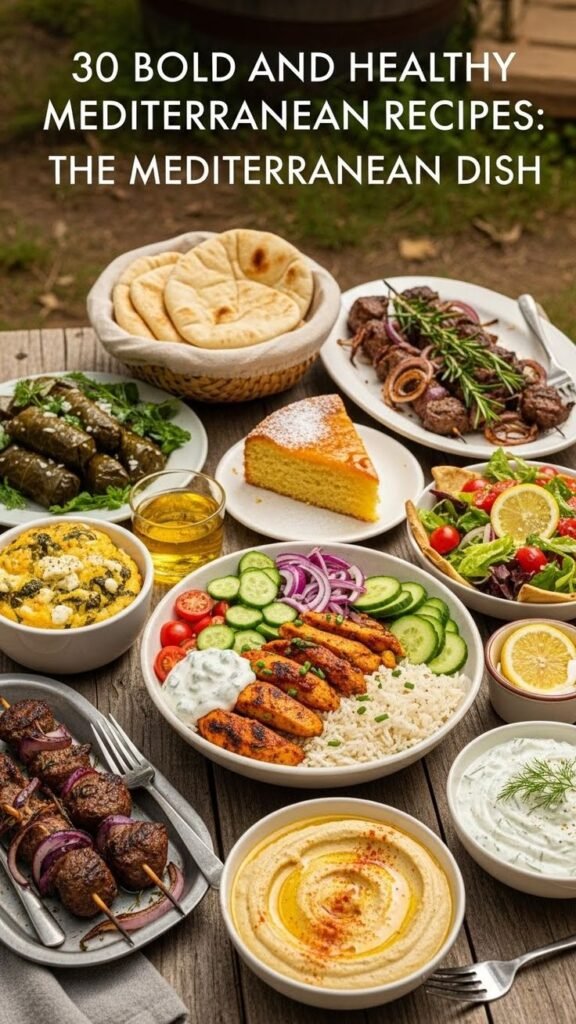
The Mediterranean diet is best understood as a flexible eating pattern shaped by food traditions in countries bordering the Mediterranean Sea. It is not one official menu, a strict set of rules, or a single cuisine. Meals vary across regions and communities, reflecting local ingredients, customs, seasons, and personal preferences. The shared idea is to build everyday eating around a wide range of mostly plant-based foods, while leaving room for other foods and for individual choice.
Vegetables and fruit, beans and other legumes, whole grains, nuts, seeds, herbs, and olive oil are central features. Fish and seafood, along with moderate amounts of dairy foods and poultry, may appear regularly, though the types and frequency differ from place to place. Red and processed meats are generally eaten less often, as are highly processed foods and sugary drinks. These are broad patterns, not a checklist that every person must follow. Wine is sometimes associated with Mediterranean meals, but it is not required; people who do not drink need not start.
This approach also involves how people eat, not only what they put on a plate. Cooking at home when practical, sharing meals, appreciating food, and eating in a relaxed way are valued parts of many Mediterranean food traditions. However, these customs are not universal, and beginners can borrow the aspects that suit their lives without trying to recreate another culture’s routine. Choose affordable ingredients, use familiar flavors, and adapt recipes to dietary needs, health guidance, and available time. A budget-friendly meal might combine beans, seasonal vegetables, grains, and a modest amount of olive oil; another might feature fish or poultry. The aim is a sustainable pattern, not perfection. Understanding the Mediterranean diet this way can make it easier to begin gradually, preserve favorite foods, and focus on balanced choices rather than treating eating as a rigid meal plan.
A balanced Mediterranean-style meal can be built without weighing food or counting calories. As a practical guide, fill about half your plate with vegetables and fruit, choosing a variety of colors and types across the week. Fresh, frozen, and no-salt-added canned options can all contribute. Add a substantial serving of protein, such as beans, lentils, fish, eggs, or poultry. For energy and staying power, include whole grains or starchy vegetables, such as brown rice, oats, whole-wheat bread, potatoes, or sweet potatoes. The proportions are a flexible starting point, not a strict rule; appetite, activity, and personal needs vary.
Unsaturated fats are another part of the pattern. Use olive oil in cooking or dressings, and add modest portions of nuts, seeds, avocado, or olives for flavor and texture. These foods can be nourishing, but portions still matter: a small handful of nuts or a drizzle of oil may be enough to complement a meal. Building flavor with garlic, citrus, herbs, and spices can make vegetables, grains, and legumes satisfying without relying on heavy sauces or excess salt. Try lemon and herbs on fish, cumin in lentil soup, or garlic and olive oil with greens.
Small changes to familiar routines can make this approach easier to maintain. Stir beans into soups, replace some refined bread or pasta with whole-grain versions, and keep frozen vegetables and canned legumes on hand for quick meals. Drink water regularly, and pay attention to hunger and fullness cues; eating at a comfortable pace can help you notice when you are satisfied. Flexibility matters: meals do not need to follow a template every day, and cultural preferences, budget, and convenience should shape choices. People managing medical conditions, taking medicines that affect diet, or following dietary restrictions may benefit from individualized guidance from a qualified health professional.
Start with familiar building blocks rather than complicated recipes. For breakfast, make oatmeal with fruit, nuts, and a spoonful of yogurt, or pair Greek-style yogurt and berries with whole-grain toast. These options combine simple ingredients and can be adjusted with seasonal produce, seeds, or cinnamon. If mornings are busy, prepare oats the night before or keep washed fruit ready, making a balanced start easier without adding elaborate cooking steps.
For lunch, toss chickpeas with chopped cucumber, tomato, greens, olive oil, and lemon; serve with whole-grain bread or grains. A bowl of lentil soup, homemade or store-bought, is another practical choice, especially with a side salad. Whole-grain toast topped with hummus and sliced vegetables works as a quick snack or light meal. Add fruit, a few nuts, or yogurt when you want something more filling between meals.
Dinner can center on roasted vegetables served with fish, beans, or eggs, plus brown rice or another whole grain. Pasta is equally adaptable: stir tomatoes, leafy greens, and olive oil through whole-grain pasta, then add white beans or a little cheese if desired. A useful beginner formula is to combine one vegetable, one legume or other protein, one whole grain, and a bright seasoning or sauce, such as lemon, herbs, garlic, or tahini.
Make these meals easier by batch-cooking grains and beans, or using canned beans and frozen vegetables to save time. Rinse canned legumes, and roast a tray of vegetables to use in several dishes. Keep a dressing or chopped herbs on hand for flavor. Leftovers can become tomorrow’s grain bowl, soup addition, or wrap filling, so ingredients need not be used the same way twice. Recipes are flexible: swap ingredients based on preference, budget, and what is available. Aim for variety over the week rather than perfection at every meal.
Making Mediterranean-style eating sustainable starts with changes small enough to repeat. Rather than replacing every meal at once, choose one habit to build each week, such as cooking at home one extra evening or adding beans to soup. Meal planning can reduce last-minute decisions: sketch a few meals, check what is already in the cupboard, and prepare ingredients for more than one dish. Keep the plan flexible for changing schedules and preferences.
Seasonal produce adds variety and may cost less when abundant. Frozen vegetables, canned tomatoes, beans, and oats are practical, economical staples for quick meals. Choose local or seasonal foods when convenient, while recognizing that price, availability, and access differ. Use delicate produce first, freeze surplus, and turn leftovers into lunches, soups, or grain bowls. These habits can limit food waste while making plant foods easier to include regularly.
A sustainable approach considers how meals feel, not only what they contain. Seafood can be part of the pattern; choose it thoughtfully according to budget, availability, and personal priorities, without treating any sourcing choice as mandatory. Sharing meals, eating at a comfortable pace, and noticing flavors can make routines more satisfying. Favorite foods can remain on the menu, too. Balance is more practical than strict rules, and enjoyment can help habits last.
For a simple start, choose one new plant-forward meal to try, add a vegetable to a familiar dish, and stock a few useful staples, such as oats, beans, or canned tomatoes. After a couple of weeks, reflect on what was enjoyable, affordable, and easy to prepare, then adjust. Mediterranean eating is not a quick fix; benefits depend on the overall pattern over time. Consult a qualified health professional for personalized advice, especially when managing a condition or making substantial dietary changes.